

Pressure pot vs pressure tank | Choosing the Right Vessel for
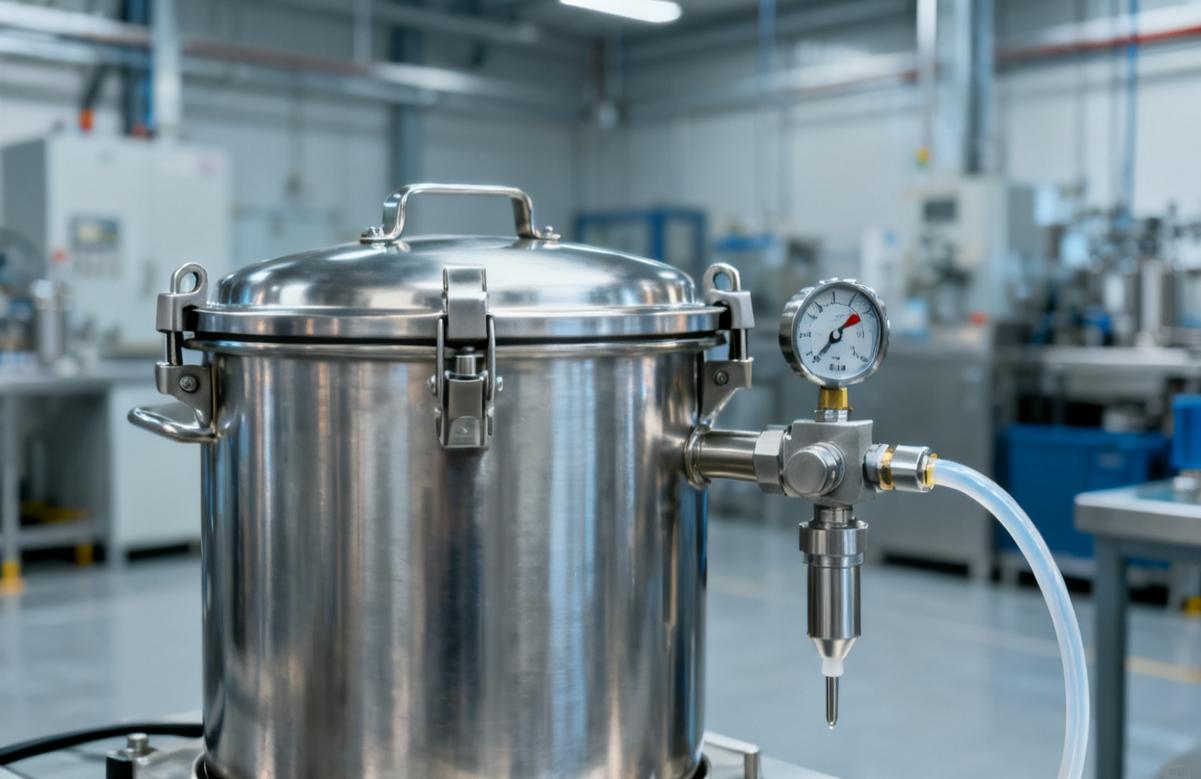
A pressure pot and a pressure tank are both closed vessels used to hold fluid under pressure, but they are often specified for different roles. A pressure pot typically supplies paint, coating, or adhesive to a spray gun, dispensing valve, or similar applicator under controlled air pressure. A pressure tank is a broader term for a pressure-containing vessel that may store, buffer, or deliver fluid or gas within a process. The right choice depends on what the vessel must do: feed an applicator, stabilize flow, or hold material for distribution.
Why the Distinction Matters
The terms are sometimes used interchangeably in catalogs and workshops, which can lead to mismatched expectations. A vessel designed as a coating supply pot may include a fluid outlet, air inlet, regulator, lid clamp, and sometimes a agitator or liner. A pressure tank in another process may be selected mainly for volume, pressure containment, and connection layout. Before comparing prices or capacities, buyers should define the vessel’s function in the process.
How a Pressure Pot Works in a Dispensing System
In a typical coating or adhesive supply setup, the pressure pot holds the material in a sealed container. Regulated compressed air pressurizes the space above the fluid, pushing material through a fluid line to a spray gun or dispensing valve. The applicator, not the pot alone, controls the dispensed pattern or shot size. This separation is important: the pot supplies material under pressure, while the valve or gun meters and releases it.
Typical pressure pot use cases
- Supplying paint or coating to manual or automatic spray equipment
- Feeding adhesive or sealant to a dispensing valve in a fixed workcell
- Providing a steady material source for low-to-medium output production
- Reducing manual refilling in repetitive dispensing tasks
When a pressure pot may not be suitable
- The fluid is highly reactive, fast-curing, or sensitive to prolonged air contact
- The process requires precise volumetric metering that a pressure vessel cannot provide alone
- The material must be kept under continuous agitation beyond the pot’s design
- The required pressure or capacity exceeds the vessel’s nameplate limits
How Pressure Tanks Differ
A pressure tank may be used for fluid storage, dampening pressure fluctuations, or supplying material to a process. Its design priorities often center on pressure containment, connection sizing, and compatibility with the stored medium. Some pressure tanks are intended for compressed air or water systems, while others are built for industrial fluids. Buyers should not assume that a tank marketed for one medium is suitable for another without checking the manufacturer’s documentation.
| Consideration | Pressure pot | Pressure tank |
|---|---|---|
| Primary role | Feed material to an applicator | Store, buffer, or supply fluid or gas |
| Typical accessories | Regulator, fluid outlet, lid clamp, sometimes agitator | Varies by design; may include ports, fittings, or level indicators |
| Selection focus | Fluid compatibility, pressure, capacity, applicator demand | Medium, pressure containment, volume, connection layout |
| Verification | Nameplate and datasheet for pot and connected equipment | Nameplate, manufacturer documentation, and applicable local requirements |
Selection Criteria Buyers Should Confirm
- Fluid characteristics. Confirm viscosity, solids content, corrosiveness, and curing behavior. Material compatibility must be checked against wetted parts.
- Pressure requirements. Determine the pressure needed at the applicator, not just at the vessel. Verify all pressure ratings from nameplates and manufacturer documentation.
- Capacity and refill frequency. Match vessel volume to production demand and acceptable refill intervals. Capacity varies by model.
- Applicator compatibility. Confirm that the dispensing valve or spray gun is designed for the supplied pressure and fluid type.
- Cleaning and changeover. Consider how the vessel is opened, cleaned, and lined if multiple materials are used.
- Regulatory and site requirements. Pressure-containing equipment must be selected and operated according to applicable local requirements and qualified engineering review.
Installation and Maintenance Boundaries
Installation should follow the manufacturer’s instructions, including air supply quality, regulator settings, and connection torque. Operators should not modify a pressure vessel, replace fittings with unverified parts, or exceed nameplate limits. Maintenance typically includes inspecting seals, lid clamps, regulators, and fluid lines, but the exact schedule depends on the material and duty cycle. Any repair involving pressure containment should be assessed by qualified personnel.
What to Tell a Supplier
To receive a meaningful quotation, buyers should provide the fluid type, required output, supply pressure available, desired capacity range, connection preferences, and any cleaning or changeover needs. It is also useful to describe the downstream applicator. Quotation factors can include vessel design, wetted materials, accessories, testing requirements, and documentation. Prices and lead times vary by configuration and should be confirmed directly with the supplier.
Evaluating Suppliers
Ask suppliers for datasheets that identify the vessel’s intended medium, pressure limits, and wetted materials. Confirm how pressure-containing equipment is documented and whether the supplier can support integration with the selected dispensing valve or spray equipment. Avoid relying on generic descriptions alone; request configuration-specific information and verify that the offered equipment matches the process requirements.
Frequently Asked Questions
Is a pressure pot the same as a pressure tank?
Not exactly. A pressure pot usually feeds material to a spray gun or dispensing valve, while a pressure tank is a broader term for a pressure-containing vessel used for storage, buffering, or supply. The intended function should be confirmed with the manufacturer.
Can a pressure pot be used for adhesive dispensing?
It can be used to supply adhesive to a dispensing valve, but compatibility depends on the adhesive's viscosity, curing behavior, and the wetted materials. The downstream valve must also be suitable for the supplied pressure and fluid.
How do I choose between a pressure pot and a pressure tank?
Start with the process role. If the vessel must feed an applicator under regulated pressure, a pressure pot is often the relevant category. If the vessel must store or buffer fluid or gas, a pressure tank may be appropriate. Verify all pressure ratings and compatibility from the datasheet.
What information should I provide for a quotation?
Provide the fluid type, required output, available supply pressure, capacity range, connection preferences, and downstream equipment. Quotation factors vary by configuration, so exact prices and lead times should be confirmed with the supplier.
Can I modify the fittings on a pressure vessel?
Pressure-containing equipment should not be modified without qualified engineering review. Changes can affect pressure containment and safety. Follow the manufacturer's documentation and applicable local requirements.
Does the pressure pot control the dispensed amount?
Usually not by itself. The pressure pot supplies material under pressure, while the spray gun or dispensing valve controls the pattern or shot. The two components must be matched as a system.
Company Information and Technical Inquiries
Company: Hejikang (Guangdong) Metal Surface Treatment Co., Ltd.
Address: No. 3, Liuhua Industrial Road, Dongcheng Subdistrict, Dongguan, Guangdong, China
Phone: +8613253611781
Email: 847317465@qq.com
