

Stainless Steel Heating Tank for Precision Dispensing
Stainless steel heating tanks are essential components in precision liquid dispensing systems, providing controlled temperature maintenance for materials that require specific thermal conditions during application. These tanks are constructed from stainless steel, offering durability, corrosion resistance, and compatibility with a wide range of fluids. They are commonly used in industries such as electronics, medical device manufacturing, and chemical processing, where consistent dispensing accuracy and material integrity are critical.
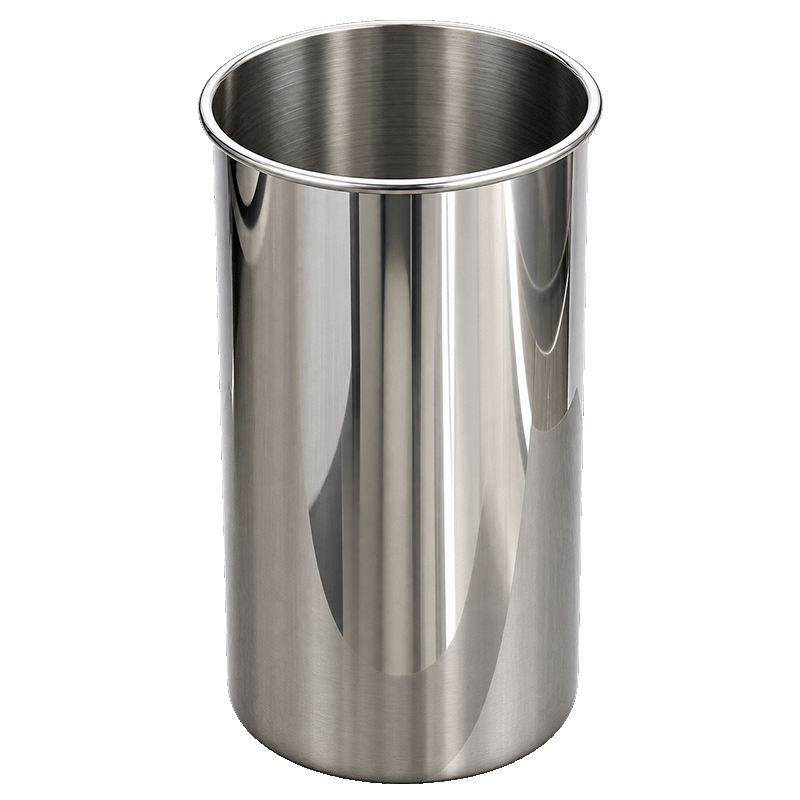
Key Features and Construction
Stainless steel heating tanks are typically fabricated from high-grade stainless steel, such as 304 or 316, to withstand corrosive materials and elevated temperatures. The heating mechanism may be integrated into the tank walls or provided via external heating jackets, allowing precise temperature control. Insulation is often included to minimize heat loss and improve energy efficiency. These tanks are designed to maintain uniform temperature distribution, preventing material solidification or viscosity changes that could affect dispensing accuracy.
Applications in Precision Dispensing
These tanks are widely used in precision dispensing applications where temperature-sensitive adhesives, sealants, lubricants, or coatings are applied. In electronics manufacturing, they help maintain the flow characteristics of solder pastes or underfill materials. In medical device production, they ensure consistent dispensing of biocompatible adhesives. The ability to hold liquids at a stable temperature reduces variability and improves product quality.
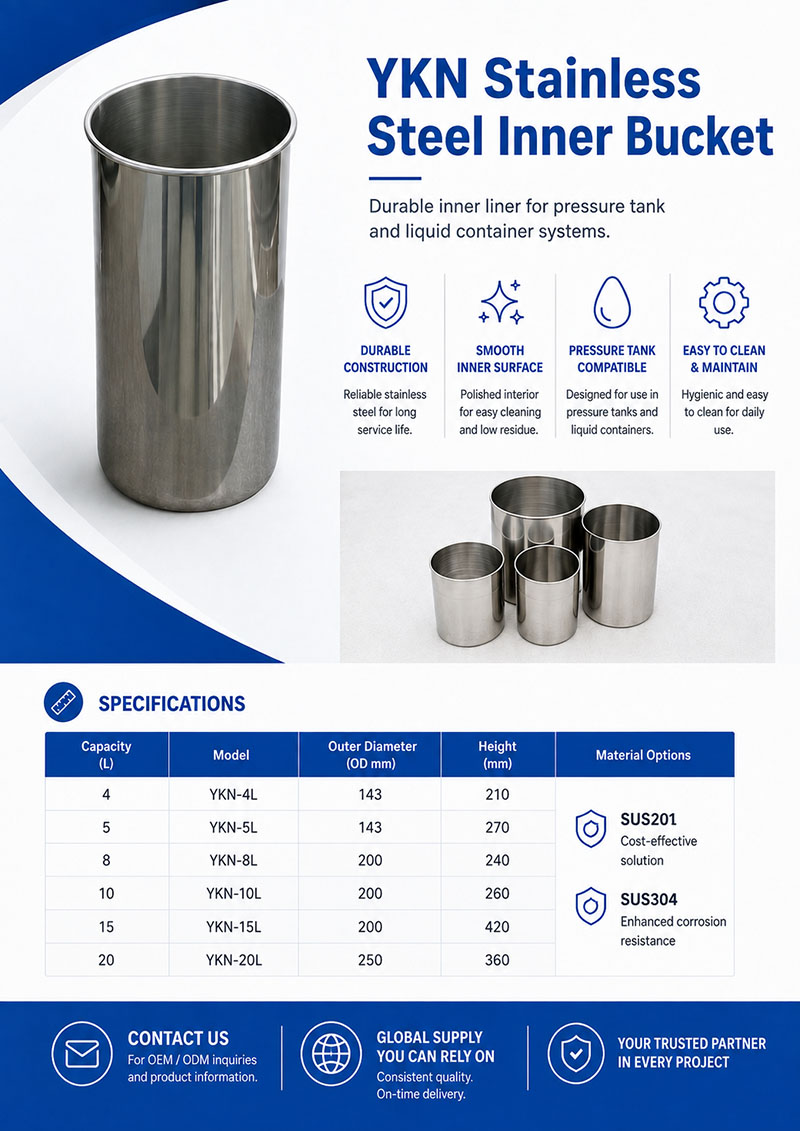
Selection Considerations
When selecting a stainless steel heating tank, consider the following factors:
- Capacity: Choose a tank size that matches your production volume and dispensing cycle.
- Temperature Range: Ensure the heating system can achieve and maintain the required temperature for your material.
- Material Compatibility: Verify that the stainless steel grade and any seals or gaskets are compatible with your fluid.
- Control Accuracy: Look for precise temperature controllers with minimal fluctuation.
- Integration: Confirm compatibility with your existing dispensing equipment and automation systems.
Maintenance and Safety
Regular maintenance is essential to ensure reliable operation and longevity. Inspect heating elements, temperature sensors, and seals periodically for wear or damage. Clean the tank interior according to the manufacturer’s instructions to prevent contamination. Always follow safety guidelines when handling heated liquids, including using appropriate personal protective equipment and ensuring proper ventilation.
Frequently Asked Questions
What materials are typically used in stainless steel heating tanks?
They are commonly made from 304 or 316 stainless steel, chosen for corrosion resistance and durability.
Can these tanks be used with abrasive or corrosive fluids?
Yes, stainless steel offers good resistance to many corrosive fluids, but compatibility should be verified for specific chemicals.
How is temperature controlled in these tanks?
Temperature is controlled via integrated heating elements or external jackets, with precise controllers maintaining set points.
What industries benefit most from precision dispensing with heating tanks?
Electronics, medical device manufacturing, and chemical processing industries commonly use these tanks for temperature-sensitive materials.
How often should maintenance be performed?
Maintenance frequency depends on usage, but regular inspections of heating components and seals are recommended to prevent failures.