

Pneumatic Agitator Pressure Tank for Industrial Dispensing
Pneumatic agitator pressure tanks are essential components in industrial dispensing systems where consistent mixing and pressurized delivery of fluids are required. These tanks combine a pressure vessel with an integrated pneumatic agitator, ensuring that materials such as adhesives, sealants, lubricants, and coatings remain homogeneous during storage and dispensing. By maintaining continuous agitation, they prevent settling and separation, which is critical for achieving uniform application quality.
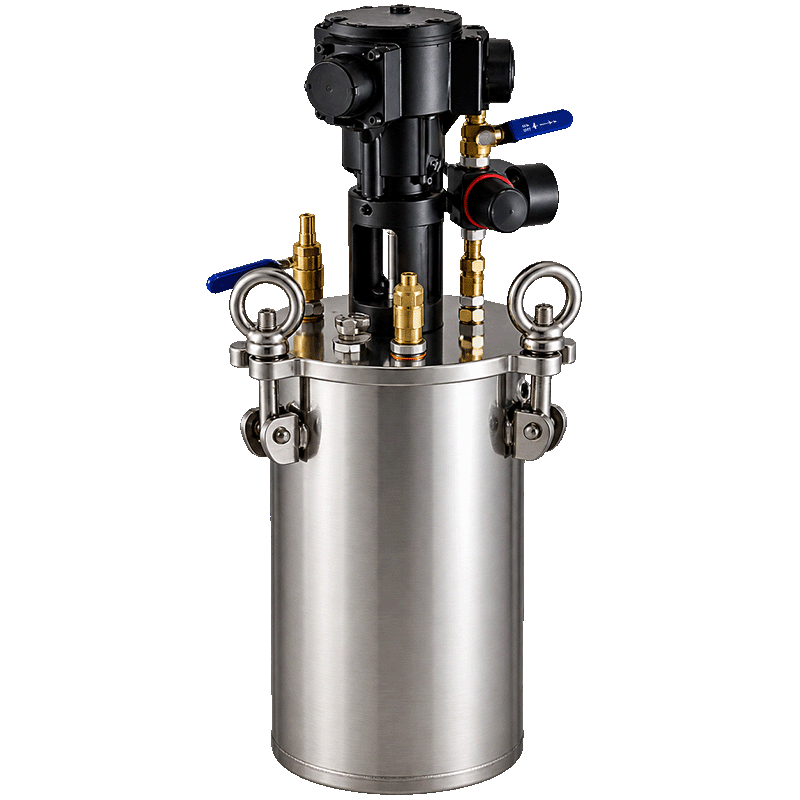
Key Features and Design
The design of a pneumatic agitator pressure tank focuses on durability and operational efficiency. Typically constructed from corrosion-resistant materials, these tanks are built to withstand the demands of industrial environments. The pneumatic agitator is powered by compressed air, offering a safe alternative to electric motors in potentially hazardous areas. Key features often include:
- Integrated air-driven agitator for continuous mixing
- Pressure-rated vessel for controlled fluid delivery
- Adjustable agitation speed to suit material viscosity
- Compatibility with various dispensing systems
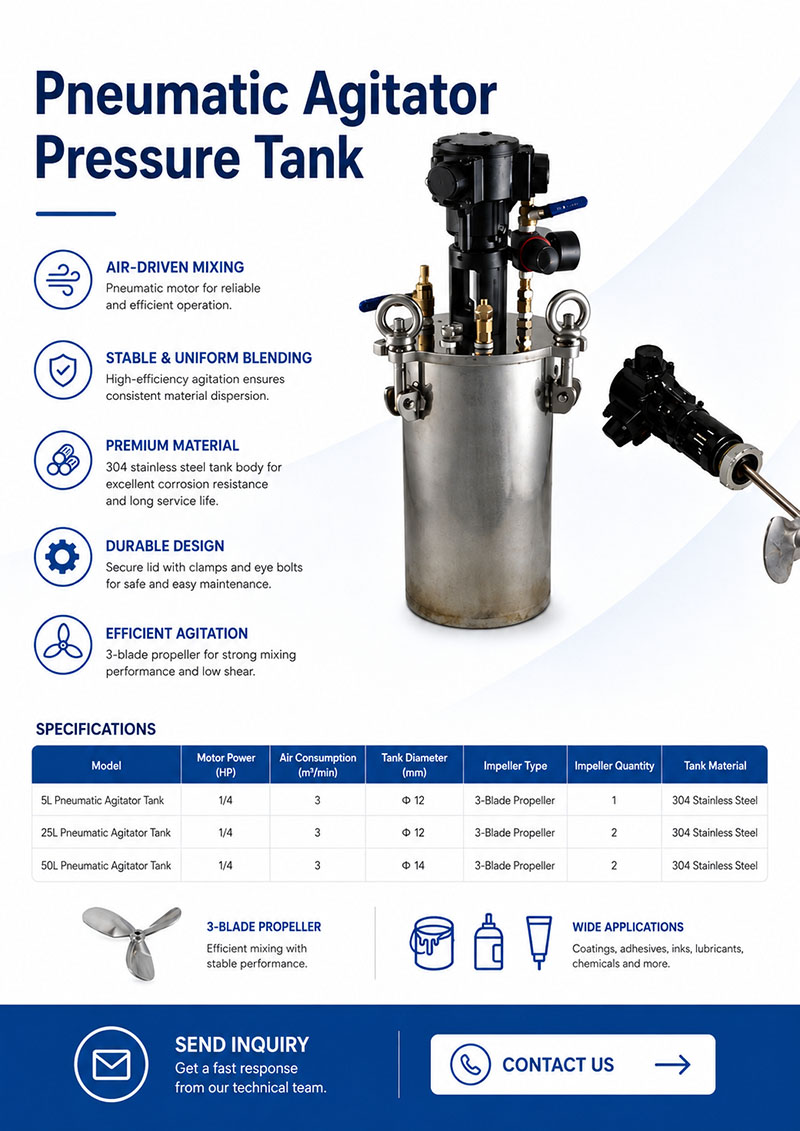
Applications in Industry
Pneumatic agitator pressure tanks are widely used across multiple industries. They are particularly valuable in applications where material consistency is paramount. Common uses include:
- Adhesive and sealant dispensing in automotive assembly
- Lubricant supply in manufacturing equipment
- Coating application in electronics and aerospace
- Food-grade material handling where applicable
Selection Considerations
When selecting a pneumatic agitator pressure tank, several factors should be evaluated to ensure optimal performance:
- Capacity: Choose a tank size that matches your production volume to avoid frequent refills.
- Pressure Rating: Ensure the tank’s maximum working pressure meets your dispensing requirements.
- Agitator Type: Consider the agitator design (e.g., propeller, turbine) based on material viscosity and mixing needs.
- Material Compatibility: Verify that tank and seal materials are compatible with the fluids being processed.
Maintenance and Safety
Proper maintenance is crucial for the longevity and safe operation of pneumatic agitator pressure tanks. Regular inspection of seals, gaskets, and pressure relief valves is recommended. The agitator’s air motor should be lubricated according to the manufacturer’s guidelines. Always depressurize the tank before performing any maintenance. Operators should be trained on safe handling procedures and adhere to relevant safety standards.
Frequently Asked Questions
What is a pneumatic agitator pressure tank?
A pneumatic agitator pressure tank is a pressure vessel equipped with an air-powered agitator, used to keep fluids mixed and deliver them under pressure in dispensing applications.
How does the pneumatic agitator work?
The agitator is driven by compressed air, which rotates an impeller or blade inside the tank to continuously mix the contents, preventing settling.
What materials can be used in these tanks?
They are suitable for a range of fluids including adhesives, sealants, paints, and lubricants, provided the tank materials are compatible.
Can the agitation speed be adjusted?
Yes, many models allow adjustment of the air pressure or flow to control agitation speed, accommodating different viscosities.
Are these tanks safe for hazardous environments?
Because they use pneumatic power, they are often preferred in environments where electrical equipment poses a risk, but always verify compliance with local regulations.
How do I maintain a pneumatic agitator pressure tank?
Regularly inspect seals and relief valves, lubricate the air motor as recommended, and depressurize before maintenance to ensure safe operation.