

Diaphragm Dispensing Valve | Precision Fluid Control Solutions
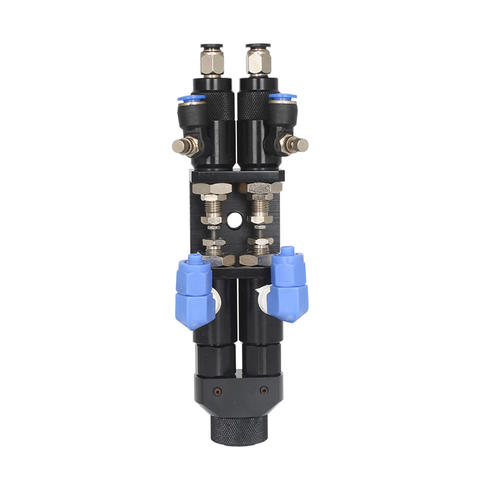
What Is a Diaphragm Dispensing Valve?
A diaphragm dispensing valve is a fluid control device that uses a flexible diaphragm to regulate the flow of liquids and other compatible materials. It is designed for dispensing applications where controlled fluid delivery, reliable shutoff, and reduced contact between the fluid and the actuation mechanism are important.
Depending on its construction, a diaphragm dispensing valve can be used with compatible adhesives, sealants, coatings, chemical solutions, and other industrial fluids. The diaphragm separates or isolates the fluid path from certain moving components, helping reduce the risk of contamination and protecting the actuation mechanism from direct fluid exposure.
Diaphragm dispensing valves are used in precision assembly, electronics manufacturing, chemical handling, laboratory equipment, and automated fluid application systems.
For manufacturers seeking dependable fluid control, selecting the right diaphragm dispensing valve helps match dispensing performance to material properties, cleanliness requirements, and production conditions.
How Does a Diaphragm Dispensing Valve Work?
A diaphragm dispensing valve uses the movement of a flexible membrane to control fluid flow. Depending on the design, the diaphragm may be actuated pneumatically, mechanically, or through another specified mechanism.
A typical dispensing system includes four main components:
1. Fluid Supply: A compatible reservoir, cartridge, pump, or pressure-fed system delivers material to the valve.
2. Actuation Mechanism: A control signal activates the mechanism that moves or deflects the diaphragm.
3. Controlled Fluid Delivery: Diaphragm movement opens or regulates the fluid passage, allowing material to flow through the outlet.
4. Flow Shutoff: The diaphragm returns to its closing position, stopping fluid delivery according to the valve’s operating design.
Because the diaphragm forms part of the fluid-control boundary, its material and geometry are important to valve performance. Fluid viscosity, supply pressure, diaphragm flexibility, outlet dimensions, and actuation timing all influence the dispensing result.
A diaphragm dispensing valve controls fluid release, but precise volumetric metering may require an additional dosing mechanism or a validated dispensing system.
Key Benefits of Diaphragm Dispensing Valves
1. Fluid Path Isolation
The diaphragm can separate the fluid from parts of the actuation mechanism. This helps reduce direct fluid exposure to moving components and can support cleaner operation.
2. Reliable Shutoff Performance
A properly designed diaphragm and valve seat help control fluid flow when dispensing stops. Actual shutoff performance depends on the valve structure, fluid characteristics, and operating conditions.
3. Reduced Contamination Risk
Because the diaphragm separates certain internal components from the fluid path, it can help reduce contamination risks in applications where fluid purity and cleanliness are important.
4. Compatibility with Specialized Fluids
Depending on diaphragm and valve-body materials, some models can handle chemically aggressive or sensitive fluids. Compatibility must be verified for the specific formulation and operating conditions.
5. Automation Integration
Diaphragm dispensing valves can be integrated into compatible automated assembly equipment, fluid handling systems, and programmable dispensing stations.
Industrial Applications of Diaphragm Dispensing Valves
Diaphragm dispensing valves serve a variety of industrial applications.
- Electronics manufacturing: Dispensing compatible adhesives, protective compounds, and assembly materials.
- Chemical processing: Controlling the delivery of compatible chemical solutions and process fluids.
- Laboratory equipment: Managing small fluid quantities in compatible automated systems.
- Medical device manufacturing: Handling specified fluids where the equipment meets the required cleanliness and process standards.
- Industrial coating: Controlling the application of suitable coating materials and functional fluids.
- Precision assembly: Delivering compatible liquids to defined locations with controlled valve operation.
The correct valve depends on the fluid chemistry, required dispensing volume, cleanliness requirements, operating pressure, and production environment.
How to Choose the Right Diaphragm Dispensing Valve
Selecting a diaphragm dispensing valve requires evaluating both the fluid and the valve’s mechanical design.
Diaphragm material: Confirm that the diaphragm is compatible with the fluid’s chemical properties, temperature, and operating conditions.
Fluid viscosity: Ensure that the valve can handle the material’s flow characteristics. Highly viscous fluids may require a specialized flow passage or supply system.
Chemical compatibility: Check the compatibility of the diaphragm, valve body, seals, and other wetted components with the complete fluid formulation.
Dispensing volume: Define the required shot volume, flow rate, and dispensing frequency. Verify whether the valve alone meets the requirement or whether additional metering is needed.
Operating pressure: Check the permitted fluid pressure and actuation pressure separately, where applicable.
Cleanliness requirements: Consider contamination risks, cleaning procedures, and whether the valve design is suitable for the intended process.
Maintenance and service life: Evaluate diaphragm wear, replacement intervals, spare-part availability, and ease of servicing.
Before requesting a quotation, provide your supplier with the fluid type, viscosity, temperature, operating pressure, required dispensing volume, and application details.
How to Maintain Diaphragm Dispensing Valve Performance
Regular inspection helps maintain consistent operation and reduce unexpected downtime.
Inspect the diaphragm for wear, deformation, chemical damage, or leakage according to the manufacturer’s maintenance schedule. Keep the fluid passages clean using procedures compatible with both the diaphragm material and the dispensed fluid.
Avoid exceeding specified pressure and temperature limits, as these conditions can shorten diaphragm service life or affect shutoff performance.
If leakage or inconsistent dispensing occurs, inspect the diaphragm, valve seat, fluid supply, and operating parameters before returning the equipment to service.
Why Choose a Professional Diaphragm Dispensing Valve Manufacturer?
A professional diaphragm dispensing valve manufacturer should provide clear technical specifications, diaphragm material options, chemical compatibility guidance, and application-specific support.
When comparing suppliers, review valve construction, pressure ratings, available diaphragm materials, manufacturing quality, customization options, and after-sales service.
For specialized fluids or demanding applications, testing the valve with the actual material can help verify compatibility, dispensing consistency, and shutoff performance before full-scale production.
The right solution should meet your process requirements while balancing reliability, cleanliness, maintenance needs, and long-term operating costs.
Frequently Asked Questions
What is a diaphragm dispensing valve used for?
A diaphragm dispensing valve controls the delivery of compatible liquids, adhesives, coatings, and chemical solutions in industrial manufacturing and automated fluid handling.
What is the main advantage of a diaphragm dispensing valve?
Its flexible diaphragm can isolate the fluid path from parts of the actuation mechanism, helping reduce direct fluid exposure and contamination risks in suitable applications.
Can a diaphragm dispensing valve handle corrosive chemicals?
Some models can handle specific corrosive fluids when the diaphragm, valve body, and wetted components are chemically compatible. Compatibility should always be confirmed with the manufacturer.
Does a diaphragm dispensing valve provide precise volume control?
Not necessarily. It controls fluid flow, but delivered volume also depends on the system design and operating conditions. Applications requiring precise quantities may need an additional metering mechanism.
What information is needed to select a diaphragm dispensing valve?
Provide the fluid specification, viscosity, temperature, chemical compatibility requirements, operating pressure, target dispensing volume, and application environment.
Find the Right Diaphragm Dispensing Valve for Your Application
Reliable fluid dispensing starts with the right combination of diaphragm design, material compatibility, and process control.
Whether you are handling industrial adhesives, specialized chemical solutions, or other compatible process fluids, a suitable diaphragm dispensing valve can help improve fluid control and support dependable manufacturing.
Contact an experienced diaphragm dispensing valve supplier to discuss your material requirements, confirm technical compatibility, and identify a suitable solution for your production process.
