

Spray Valve for Conformal Coating | PCB Coating Solutions
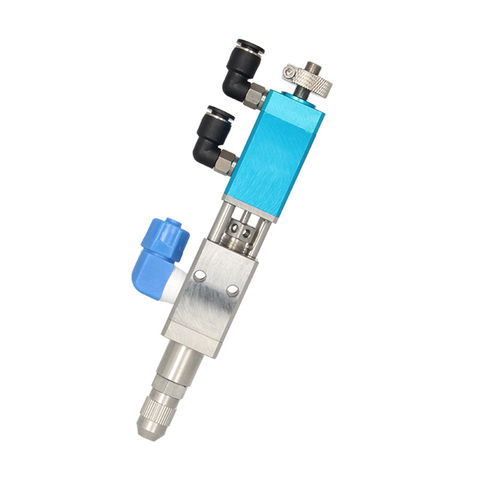
What Is a Spray Valve for Conformal Coating?
A spray valve for conformal coating is a specialized dispensing component used to apply protective liquid coatings to printed circuit boards (PCBs) and electronic assemblies. It controls the delivery of coating material and works with a suitable nozzle or atomization mechanism to produce the required spray pattern.
Conformal coatings help protect electronic assemblies against moisture, dust, corrosion, and other environmental contaminants. Depending on the coating formulation and application requirements, materials may include acrylic, silicone, polyurethane, and other specialized protective coatings.
Unlike conventional dispensing valves that deposit material as individual drops or continuous beads, a conformal coating spray valve distributes compatible coating materials across selected surfaces. Depending on the system design, it can support broad-area spraying or selective application around specific electronic components.
For electronics manufacturers, choosing the right spray valve for conformal coating helps establish a controlled coating process while reducing unnecessary overspray and improving production consistency.
How Does a Conformal Coating Spray Valve Work?
A conformal coating spray valve regulates fluid delivery and works with a nozzle or atomization system to create the required spray pattern.
A typical conformal coating system includes four main components:
1. Coating Supply: A compatible reservoir, pump, or pressure-fed system delivers the coating material to the valve.
2. Valve Activation: A controller activates the valve according to the programmed coating sequence.
3. Spray Formation: The nozzle and atomization mechanism distribute the coating into a controlled spray pattern.
4. Selective Application: The spray is directed toward the PCB or electronic assembly according to the required coverage area and coating process.
The final coating result depends on material viscosity, nozzle geometry, fluid pressure, atomization conditions, spray distance, valve timing, and board positioning.
For selective coating applications, programming and equipment movement are also important. The valve must work in coordination with the motion system to achieve the intended coverage while limiting coating on connectors, test points, and other areas that must remain uncoated.
Key Benefits of a Spray Valve for Conformal Coating
1. Controlled Coating Distribution
A suitable spray valve helps distribute protective coating across defined PCB areas. Properly configured equipment supports repeatable coverage on electronic assemblies with different component layouts.
2. Improved Coating Uniformity
Consistent fluid delivery, nozzle selection, and spray parameters help reduce uneven application. Uniformity is important for achieving the required protective performance without excessive coating buildup.
3. Support for Selective PCB Coating
When integrated with a programmable coating system, a spray valve can apply material to designated areas while helping avoid components and connection points that should remain uncoated.
4. Reduced Material Waste
Correct spray configuration can help reduce overspray and unnecessary coating consumption. Actual savings depend on transfer efficiency, coating properties, masking requirements, and process settings.
5. Automated Production Compatibility
Conformal coating spray valves can be integrated into automated PCB coating machines and robotic systems, supporting repeatable production sequences and more consistent process control.
Industrial Applications of Conformal Coating Spray Valves
Spray valves for conformal coating are used in electronics manufacturing processes where protective surface coverage is required.
- PCB assembly: Applying protective coatings to circuit boards and electronic assemblies.
- Automotive electronics: Coating compatible electronic control units, sensors, and circuit assemblies.
- Industrial control systems: Protecting electronic boards used in industrial automation equipment.
- LED electronics: Applying suitable protective coatings to electronic control boards and related components.
- Power electronics: Coating designated areas of electronic assemblies according to insulation and environmental protection requirements.
- Consumer electronics: Applying conformal coatings to compatible assemblies where environmental protection is needed.
The correct valve depends on the coating formulation, PCB geometry, required coverage, production speed, and equipment configuration.
How to Choose the Right Spray Valve for Conformal Coating
Selecting a conformal coating spray valve requires evaluating the coating material and the complete application process.
Coating viscosity: Confirm that the valve and atomization mechanism can handle the material under actual operating conditions.
Spray pattern: Determine whether the application requires a narrow spray, a fan-shaped pattern, or broader surface coverage.
Coating thickness: Consider the required dry-film thickness and how spray settings, coating formulation, and application passes affect the final result.
Selective coating requirements: Evaluate PCB layout, component height, connector locations, and areas that must remain free of coating.
Material compatibility: Ensure that the valve body, seals, nozzle, and other wetted components are compatible with the coating formulation and any approved cleaning solvents.
Operating parameters: Check fluid supply pressure, atomization pressure where applicable, spray distance, valve timing, and production speed.
Maintenance requirements: Consider nozzle cleaning, coating buildup, solvent compatibility, and replacement part availability.
Before requesting a quotation, provide your supplier with the coating type, viscosity, PCB dimensions, required spray pattern, target coating thickness, and production requirements.
How to Improve PCB Coating Quality and Reduce Overspray
Uneven coverage, excessive coating buildup, and overspray can affect PCB protection and increase material costs.
To improve coating quality, maintain stable fluid supply conditions, use a nozzle suited to the coating material, and optimize spray distance and application speed. Board positioning and selective coating paths should also be validated against the actual PCB layout.
Regularly inspect the nozzle and fluid passages for contamination or dried coating. Follow the coating manufacturer’s recommendations for storage, cleaning, curing, and handling.
For demanding applications, conduct coating trials using representative PCB assemblies. Evaluate coverage, film thickness, edge definition, and uncoated areas before approving the process for full-scale production.
Why Choose a Professional Conformal Coating Spray Valve Manufacturer?
A professional spray valve manufacturer should provide clear product specifications, coating compatibility guidance, and technical support for integrating the valve into a conformal coating system.
When comparing suppliers, review spray pattern options, valve response, material compatibility, operating pressure limits, customization capabilities, and after-sales support.
Testing the valve with the intended coating material and representative PCB geometry can help verify spray quality and process suitability before production begins.
The right solution should balance coating consistency, material utilization, maintenance requirements, and long-term operating costs.
Frequently Asked Questions
What is a spray valve for conformal coating used for?
It applies compatible protective coatings to PCBs and electronic assemblies to help protect them from environmental contaminants and other exposure-related risks.
Can a conformal coating spray valve support selective PCB coating?
Yes. When integrated with a compatible programmable coating system, the valve can apply material to designated areas according to the PCB layout and coating requirements.
Which coatings can a conformal coating spray valve handle?
Depending on its design and material compatibility, it may handle suitable acrylic, silicone, polyurethane, and other conformal coating formulations. Compatibility should be confirmed for the specific material.
What affects conformal coating uniformity?
Coating viscosity, nozzle geometry, atomization conditions, spray distance, application speed, PCB positioning, and valve settings can all influence coating distribution.
What information is needed to select a conformal coating spray valve?
Provide the coating specification, viscosity, PCB dimensions, target coverage area, required film thickness, operating conditions, and production volume.
Find the Right Spray Valve for Your Conformal Coating Process
Reliable PCB protection starts with the right combination of spray valve design, coating compatibility, application programming, and process control.
Whether you manufacture automotive electronics, industrial control boards, or consumer electronic assemblies, a suitable spray valve for conformal coating can help improve coating consistency and support efficient production.
Contact an experienced conformal coating spray valve supplier to discuss your coating material, PCB requirements, and production goals, and identify a suitable solution for your application.
