

1:1 AB Dispensing Valve | Precision Two-Part Glue Solutions
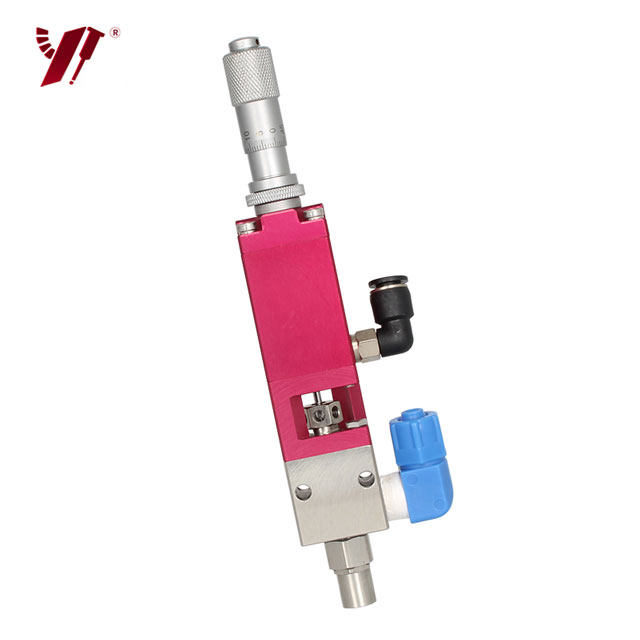
What Is a 1:1 AB Dispensing Valve?
A 1:1 AB dispensing valve is a dispensing component used in a two-component adhesive system designed to deliver components A and B at an equal ratio. These components are stored separately and combined at a designated mixing stage to initiate curing and develop the required bonding properties.
A 1:1 mixing ratio is commonly used with certain two-part epoxies, polyurethanes, silicones, and other compatible adhesive formulations. However, the correct ratio must always be confirmed against the adhesive manufacturer’s technical data sheet. The specified ratio may be based on volume or weight, and these two measurement methods are not automatically interchangeable.
Unlike a single-component dispensing valve, a 1:1 AB dispensing valve operates as part of a system that manages two separate fluid streams. The system must maintain the required delivery ratio, prevent premature mixing, and combine the components appropriately before application.
For manufacturers using 1:1 two-component adhesives, a properly configured AB dispensing system helps support consistent mixing, reliable curing, and repeatable bonding.
How Does a 1:1 AB Dispensing Valve Work?
A typical 1:1 AB dispensing system includes two material containers, separate fluid delivery paths, a metering mechanism, a dispensing valve, and a suitable mixing assembly.
The process generally follows four steps:
1. Separate Material Supply: Components A and B are stored independently and delivered through separate fluid paths to prevent premature reaction.
2. Equal-Ratio Metering: A suitable metering system delivers equal quantities of components A and B according to the specified 1:1 ratio.
3. Controlled Dispensing and Mixing: The valve controls material release, while a static mixer, dynamic mixer, or integrated mixing assembly combines the components according to the system design.
4. Adhesive Application: The mixed adhesive is deposited onto the target surface or component before its usable working time expires.
The valve and metering mechanism perform different functions. The valve controls when material is released, while the metering system generally determines the quantity and ratio of the two components.
For reliable operation, the complete system must be compatible with the adhesive’s viscosity, mixing requirements, dispensing volume, and curing characteristics.
Key Benefits of a 1:1 AB Dispensing Valve System
1. Equal-Ratio Material Delivery
A suitable metering system helps maintain equal quantities of components A and B. This is essential when the adhesive formulation requires a 1:1 ratio for its intended curing and bonding performance.
2. Consistent Adhesive Mixing
When the metering and mixing components are properly selected, the system can support repeatable mixing conditions and reduce variations between production cycles.
3. Reduced Material Waste
Controlled dispensing helps reduce excessive adhesive application and unnecessary consumption. Appropriate shutdown and cleaning procedures also help minimize waste caused by curing material inside unsuitable fluid passages.
4. Improved Production Efficiency
A 1:1 AB dispensing system can be integrated into automated assembly machines and robotic workstations, helping standardize repetitive bonding operations.
5. Flexible Industrial Applications
Depending on material compatibility and system design, 1:1 AB dispensing equipment can support a range of two-component adhesives used in industrial bonding, sealing, potting, and encapsulation.
Industrial Applications of 1:1 AB Dispensing Valves
1:1 AB dispensing systems are used in manufacturing processes where two-component adhesives require controlled mixing and application.
- Electronics manufacturing: Dispensing compatible two-part adhesives and encapsulation compounds.
- Automotive assembly: Applying suitable structural bonding agents and sealing materials.
- Electrical equipment: Delivering compatible potting and insulating compounds.
- LED manufacturing: Applying suitable two-component bonding and encapsulation materials.
- Industrial bonding: Joining metal, plastic, and composite components with compatible two-part adhesives.
- Automated assembly: Applying controlled adhesive quantities to designated bonding areas.
The correct valve configuration depends on the adhesive formulation, required mixing ratio, component viscosities, target dispensing volume, and production cycle.
How to Choose the Right 1:1 AB Dispensing Valve
Selecting a 1:1 AB dispensing valve requires evaluating the complete metering, mixing, and dispensing process.
Mixing ratio: Confirm whether the adhesive requires a 1:1 ratio by volume or by weight. Follow the manufacturer’s specifications rather than assuming the two methods are equivalent.
Metering accuracy: Verify that the metering system can maintain the required ratio under actual operating conditions.
Component viscosity: Check the viscosity of both A and B materials. Differences in viscosity can affect flow resistance and delivery stability.
Material compatibility: Ensure that the valve body, seals, fluid passages, and mixing components are compatible with both materials.
Dispensing volume: Define the required shot size, bead dimensions, and production frequency.
Mixing method: Select a suitable static or dynamic mixer according to the adhesive formulation and equipment requirements.
Pot life and curing time: Consider how quickly the mixed adhesive begins to cure and how this affects the mixer, downstream fluid path, and cleaning schedule.
Operating pressure and automation: Check fluid supply pressures, valve actuation requirements, control interfaces, and compatibility with existing equipment.
Before requesting a quotation, provide your supplier with the adhesive specification, required 1:1 ratio, viscosity of both components, target dispensing volume, operating conditions, and application details.
How to Prevent Common 1:1 AB Dispensing Problems
Unequal material delivery, incomplete mixing, dripping, and blocked mixers can affect adhesive performance and production efficiency.
To reduce these problems, verify the metering ratio, maintain stable material supply conditions, and use a mixing assembly suitable for the adhesive. Follow the manufacturer’s recommended procedures for priming, shutdown, purging, and replacing disposable mixing components.
For fast-curing adhesives, avoid allowing mixed material to remain in passages that are not designed to accommodate curing. Regularly inspect the system and validate the mixing ratio under representative operating conditions.
Why Choose a Professional 1:1 AB Dispensing Valve Manufacturer?
A professional 1:1 AB dispensing valve manufacturer should provide clear technical specifications, material compatibility guidance, and support for selecting the appropriate metering and mixing equipment.
When comparing suppliers, review ratio-control capabilities, available valve configurations, mixing options, manufacturing quality, customization services, and after-sales support.
For demanding applications, testing the system with the actual adhesive can help verify the mixing ratio, dispensing consistency, and curing performance before full-scale production.
The right solution should meet your technical requirements while balancing bonding quality, material efficiency, maintenance needs, and long-term operating costs.
Frequently Asked Questions
What does 1:1 mean in AB adhesive dispensing?
It means components A and B are delivered in equal quantities according to the specified mixing basis. Confirm whether the adhesive manufacturer defines the ratio by volume or weight.
Does a 1:1 AB dispensing valve automatically guarantee the correct mixing ratio?
No. The valve controls material release, while the metering system generally determines the delivered quantities. The complete system must be configured and validated to maintain the specified ratio.
Which adhesives can use a 1:1 AB dispensing system?
Depending on the formulation, compatible materials may include certain two-part epoxies, polyurethanes, silicones, and other reactive adhesives. Always confirm the required ratio and equipment compatibility.
What causes uneven mixing in a 1:1 AB dispensing system?
Potential causes include inaccurate metering, unstable material supply, viscosity differences, blocked fluid passages, or an unsuitable mixing assembly.
What information is needed to select a 1:1 AB dispensing valve?
Provide the adhesive type, specified mixing basis, component viscosities, required dispensing volume, operating pressure, curing time, and application requirements.
Find the Right 1:1 AB Dispensing Valve for Your Application
Reliable two-component adhesive application requires the right combination of valve design, metering accuracy, material compatibility, and mixing technology.
Whether you are bonding industrial components, encapsulating electronic assemblies, or automating a production line, a suitable 1:1 AB dispensing system can help support consistent mixing and dependable manufacturing.
Contact an experienced 1:1 AB dispensing valve supplier to discuss your adhesive requirements, confirm system compatibility, and identify the right solution for your production process.