

304 Stainless Steel Pressure Vessel | A Practical Guide for Industrial Buyers
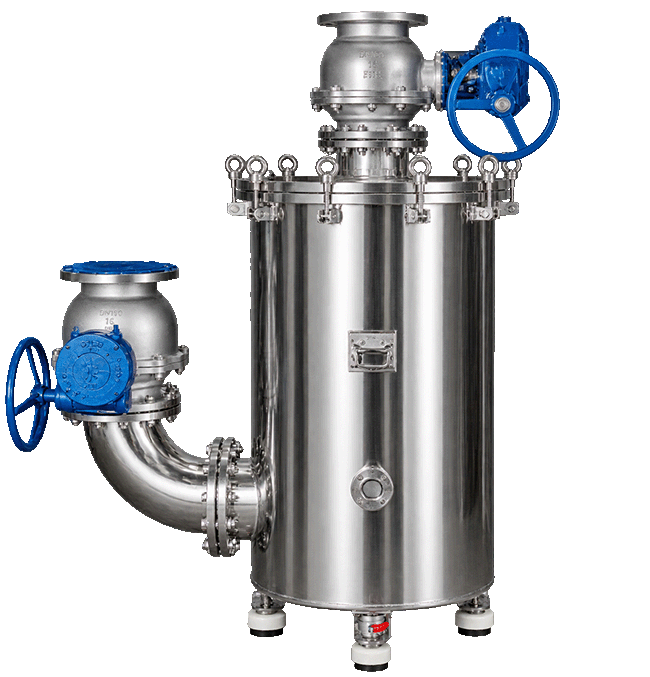
A 304 stainless steel pressure vessel is a sealed container designed to hold gases or liquids at a pressure different from the ambient pressure. In industrial settings, these vessels are commonly used for storing, mixing, or processing fluids where cleanliness, corrosion resistance, and durability are essential. The 304 grade is one of the most widely specified stainless steels due to its balanced mechanical properties and excellent resistance to oxidation and many mild chemicals. For buyers involved in food processing, beverage production, pharmaceutical manufacturing, or chemical handling, this type of vessel offers a reliable and cost-effective solution. This article provides a practical overview of its features, applications, and selection criteria to help you make an informed purchasing decision.
What Makes 304 Stainless Steel a Preferred Material?
304 stainless steel is an austenitic alloy containing approximately 18% chromium and 8% nickel. The chromium content forms a protective oxide layer on the surface, which gives the material its corrosion resistance. In a pressure vessel, this property is critical because the interior surface is often in direct contact with process fluids. Unlike carbon steel, 304 stainless steel does not require internal coatings or linings for many applications, reducing maintenance and the risk of contamination. Its ability to withstand high temperatures also makes it suitable for processes involving steam cleaning or hot fluids. For applications that do not involve highly corrosive acids or chloride-rich environments, 304 offers an excellent balance between performance and cost.
Key Features and Construction Considerations
When evaluating a 304 stainless steel pressure vessel, several design aspects deserve attention. The vessel wall thickness is determined by the operating pressure, diameter, and the allowable stress of the material. Most industrial vessels are fabricated using welding, and the quality of these welds is crucial to prevent leaks and ensure long service life. Look for vessels that comply with recognized design codes such as ASME BPVC, PED, or GB150, as these standards provide a framework for safe design, material selection, and testing. However, the actual certification status should always be confirmed with the manufacturer. Surface finish is another important factor, especially in hygienic industries where a smooth interior (e.g., 0.8 μm Ra) reduces bacterial growth and makes cleaning easier. Additionally, the vessel should be equipped with appropriate openings for inlet, outlet, pressure relief, drainage, and instrumentation such as pressure gauges or level sensors.
Pressure Ratings and Temperature Limits
The maximum allowable working pressure (MAWP) of a vessel depends on its design and the temperature of the process fluid. As temperature increases, the allowable stress of the material decreases, which may require a thicker wall for high-temperature applications. When specifying a vessel, you should provide the maximum operating pressure and temperature to the manufacturer so that the design can be validated. Do not assume that a vessel rated for a certain pressure at room temperature can be used at elevated temperatures without derating.
Common Industrial Applications
The versatility of 304 stainless steel pressure vessels makes them suitable for a wide range of industries. In the food and beverage sector, they are used for storing milk, beer, wine, edible oils, and liquid sugar, where hygiene and taste neutrality are paramount. In pharmaceutical production, these vessels serve as storage tanks for purified water, buffers, or intermediate products that require a clean, inert environment. Chemical processing plants use them for holding non-corrosive chemicals, such as organic solvents or mild alkalis. Pneumatic conveying systems also rely on pressure vessels as surge tanks or receiver tanks to stabilize air pressure. Beyond these, they are found in water treatment facilities for reverse osmosis storage, in dairy farms for bulk milk cooling, and in various manufacturing processes that require pressurized fluid delivery.
How to Choose the Right 304 Stainless Steel Pressure Vessel
Selecting the correct vessel involves more than just picking a standard size. First, define your process parameters: what fluid will be stored, what pressure and temperature are expected, and what capacity (in liters or gallons) is needed. Next, consider the connection types. For example, sanitary tri-clamp fittings are common in food and pharma, while threaded or flanged connections might be used in general industrial applications. Check the availability of accessories such as relief valves, sight glasses, and level indicators. If the vessel will be installed outdoors or in a corrosive environment, you may need to specify a higher surface finish or additional protection. Always ask the supplier for a detailed dimensional drawing and a material test certificate to verify the grade and thickness of the steel used.
Capacity and Dimensions
Vessels are available in a wide range of volumes, from small 10-liter laboratory tanks to large 10,000-liter storage tanks. The shape can be vertical or horizontal, with dished heads to handle pressure more efficiently. Vertical vessels have a smaller footprint and are easier to drain completely, while horizontal vessels offer a lower height and are often used for long-term storage. Your choice should align with your available floor space and process flow.
Customization and OEM Options
Many manufacturers offer custom fabrication services for 304 stainless steel pressure vessels. If your application has specific dimensional, connection, or pressure requirements, you can work directly with the factory to design a vessel that meets your needs. OEM partnerships are also common, where the vessel is built according to the buyer’s drawings or specifications and then integrated into a larger system. When requesting a quote, provide as much detail as possible, including the desired capacity, pressure rating, temperature, media, and any relevant industry standards. This allows the supplier to give you an accurate price and lead time. Custom fabrication may require additional documentation, such as a design calculation report or welding procedure specifications, so it is essential to clarify the scope of supply early in the process.
Buying Considerations: Supplier Selection and Quality Assurance
Choosing a reliable manufacturer or supplier is as important as selecting the right material. A reputable factory should be able to provide evidence of its welding capabilities, quality control procedures, and experience with similar projects. Ask for references or samples of previous work, but do not rely solely on unverified claims. Inquire about the inspection methods used, such as hydrostatic testing, dye penetrant testing, or radiography. Also, clarify the terms of warranty and after-sales support. If you are importing the vessel, consider the logistics and potential customs requirements. A dependable supplier will be transparent about its manufacturing capacity and delivery schedule.
Quality Assurance and Certifications
While this article does not assume any specific certification, it is worth noting that pressure vessels are regulated in many regions. For example, in the United States, the ASME Boiler and Pressure Vessel Code (BPVC) is a widely recognized standard, while the European Union requires CE marking under the Pressure Equipment Directive (PED). In China, the GB150 standard applies. Make sure the vessel you order complies with the regulations of your target market. Always request a certificate of conformity and, if necessary, a third-party inspection report before shipment.
Frequently Asked Questions
What is the difference between 304 and 316 stainless steel for pressure vessels?
316 stainless steel contains molybdenum, which significantly improves resistance to chlorides and certain acids. For applications involving saltwater, brine, or highly corrosive chemicals, 316 is often preferred. However, 304 is less expensive and provides adequate corrosion resistance for many standard industrial and food applications. The choice depends on the specific media and environmental conditions.
Can a 304 stainless steel pressure vessel be used for high-temperature steam?
Yes, 304 stainless steel can handle temperatures up to approximately 870°C in continuous service, but the allowable pressure decreases at higher temperatures. For steam applications, you should consult with the manufacturer to verify the maximum working pressure at your specific steam temperature.
How is the pressure vessel cleaned and maintained?
Cleaning methods depend on the application. In food and pharmaceutical industries, vessels are typically cleaned in place using hot water and mild detergents, followed by rinsing. Regular inspection of welds, seals, and vents is recommended. Avoid using chloride-based cleaning agents as they can cause pitting corrosion on 304 stainless steel.
Do you offer custom sizes and fittings?
Most experienced suppliers offer custom fabrication. You can specify the diameter, height, outlet positions, and fitting types. Provide a detailed specification or a drawing, and the factory will design the vessel to match your process requirements.
Conclusion
A 304 stainless steel pressure vessel is a versatile and durable solution for many industrial fluid handling challenges. Its corrosion resistance, hygienic properties, and ease of fabrication make it a popular choice across various sectors. When purchasing, focus on the material quality, compliance with design standards, and the capability of the supplier to meet your specific operational needs. Whether you need a standard vessel or a fully custom design, working directly with a reputable manufacturer ensures that the final product is safe, reliable, and suited to your application. If you have a project in mind, contact us with your specifications to discuss how we can support your requirements.