

Custom Pressure Tank for Glue & Adhesive | A Buyer’s Guide to Selection, Materials, and Integration
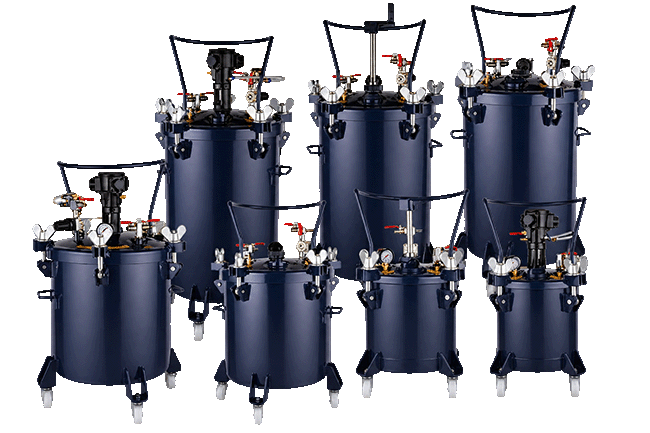
Custom Pressure Tank for Glue & Adhesive: A Buyer’s Guide to Selection, Materials, and Integration
A custom pressure tank for glue and adhesive is a sealed vessel that holds liquid or paste material and uses regulated air pressure to push it to a dispensing valve or nozzle. Buyers choose a custom configuration when a standard tank does not match their material, viscosity, volume, mounting space, or pressure and temperature requirements. The selection process should start with the material to be dispensed, then move to required working pressure, tank volume, wetted materials, port and fitting layout, and how the tank will connect to the rest of the dispensing system.
What a Custom Pressure Tank Actually Does
In a pneumatic dispensing system, the pressure tank is the material reservoir. Compressed air enters the tank and presses on the adhesive surface, forcing material out through a feed line toward a valve, nozzle, or pump. The tank does not measure the shot by itself; it supplies material at a stable pressure so the valve or pump can repeat the same dispensed amount. This is why tank pressure stability, seal integrity, and material compatibility matter as much as tank dimensions.
A typical glue pressure tank setup includes:
- A sealed tank body with a removable or clamped closure
- An air inlet with pressure regulation
- A material outlet port
- A fill or vent port
- Seals and gaskets compatible with the adhesive
- Optional level sensing, agitation, or heating
When a Custom Tank Makes Sense
Standard tanks cover many common adhesive feeding tasks. Customization becomes necessary when one or more of the following applies:
- Material compatibility: The adhesive, primer, solvent, or catalyst attacks standard seals or wetted parts.
- Viscosity or solids content: High-viscosity pastes, filled adhesives, or thermal conductive materials need different outlet sizes and pressure behavior.
- Volume and refill interval: Production uptime may require a larger or smaller reservoir than a catalog size.
- Pressure and temperature range: The working pressure or process temperature falls outside a standard tank’s rating.
- Physical integration: The tank must fit a specific machine frame, robot cell, or existing dispensing line.
- Port and fitting layout: The inlet, outlet, vent, and sensor positions must match existing plumbing.
- Cleaning and maintenance: Quick-open closures, removable liners, or specific surface finishes may be required.
Selection Logic: How to Specify a Custom Glue Pressure Tank
1. Start With the Material
Identify the adhesive type, viscosity range, solids content, cure mechanism, and whether it contains solvents or abrasive fillers. Material compatibility determines the wetted materials, seal type, and surface finish. For example, moisture-sensitive adhesives may require different sealing and venting considerations than solvent-based products.
2. Define the Working Pressure
Determine the pressure needed at the dispensing valve, not just at the tank. Line length, height difference, valve type, and material viscosity all affect the required tank pressure. The tank’s maximum working pressure and design pressure must be specified separately from the normal operating pressure.
3. Choose the Volume
Tank volume affects refill frequency, material residence time, and system response. A larger tank reduces refill interruptions but may increase material waste or change curing behavior for short-pot-life adhesives. A smaller tank supports faster material turnover and easier cleaning.
4. Select Wetted Materials and Seals
Common tank body materials include stainless steel grades such as 304. Seal and gasket materials must be matched to the adhesive chemistry. Buyers should confirm the exact wetted material list with the manufacturer rather than assuming compatibility from a general description.
5. Plan Ports, Fittings, and Sensors
Specify the number, size, and position of air inlet, material outlet, fill port, vent, and any level or pressure sensor ports. Port layout affects how easily the tank can be drained, cleaned, and integrated into an existing line.
6. Confirm Temperature Requirements
If the process requires heating or cooling, the tank design must account for the working temperature range and how temperature affects pressure, seal life, and material viscosity. Temperature control may be external or integrated, depending on the application.
7. Consider Cleaning and Maintenance
Closure design, surface finish, and drainability influence cleaning time and cross-contamination risk. For adhesives that cure or settle, removable components and smooth internal surfaces can reduce maintenance downtime.
Example of Published Specifications
Published product information for a Yakoo pressure vessel with clamps lists a 1 L volume, 304 stainless steel construction, 0.3 MPa maximum working pressure, 0.3 MPa design pressure, and a working temperature range of -20 to 180 °C, with dimensions of 108 × 108 × 140 mm and a weight of 7 kg. These figures are specific to that listed product and should not be applied to other tank sizes or custom configurations without confirmation.
Typical Application Scenarios
Custom glue pressure tanks are used in processes where adhesive must be delivered consistently from a reservoir to a dispensing point. Common industrial contexts include:
- Electronics assembly and component bonding
- Automotive potting, sealing, and thermal paste application
- LED lighting assembly
- Medical device manufacturing
- Semiconductor packaging
- General industrial assembly and bonding
Materials handled in these processes can include epoxy, UV adhesive, silicone sealant, acrylic adhesive, structural adhesive, and thermal conductive paste. The suitability of a specific tank for a specific material should always be confirmed against the material’s chemical and physical properties.
Common Mistakes Buyers Make
- Specifying tank pressure instead of valve pressure: The pressure at the dispensing point is what controls the shot, and line losses matter.
- Ignoring material compatibility: A tank that works with one adhesive may fail quickly with a solvent-based or filled material.
- Choosing volume only by refill convenience: Residence time and pot life can be affected by oversized tanks.
- Overlooking cleaning access: Difficult-to-clean tanks increase downtime and contamination risk.
- Assuming standard seals are sufficient: Seal material must be matched to the adhesive chemistry.
- Not confirming pressure and temperature ratings: Working pressure, design pressure, and temperature range are separate specifications.
How to Work With a Manufacturer on a Custom Tank
To get an accurate quotation and design, prepare the following information:
- Adhesive or material type and viscosity
- Required dispensing pressure at the valve
- Desired tank volume and refill interval
- Working temperature range
- Available mounting space and orientation
- Required port sizes and positions
- Cleaning and maintenance requirements
- Any regulatory or site-specific requirements
DGYAKOO, operating through madetank.com, presents itself as a manufacturer of glue pressure tanks, adhesive and dispensing pressure tanks, and related glue dispensing equipment. The company’s published content covers pressure tanks, adhesive supply tanks, pneumatic glue pressure tanks, and glue dispensing systems for industrial manufacturing. Buyers should verify current product specifications, materials, and customization options directly with the manufacturer.
FAQ
What is a custom pressure tank for glue?
It is a sealed vessel configured to hold a specific adhesive or liquid material and deliver it under regulated air pressure to a dispensing valve or nozzle. Customization can cover volume, pressure rating, wetted materials, port layout, temperature range, and mounting.
How do I choose the right tank volume?
Balance refill frequency against material residence time and pot life. Larger tanks reduce refills but may increase waste or curing risk for short-pot-life adhesives. Smaller tanks support faster turnover and easier cleaning.
What materials are used for glue pressure tanks?
Stainless steel, including 304, is commonly used for tank bodies. Seal and gasket materials must be selected for compatibility with the specific adhesive chemistry. Buyers should confirm the exact wetted material list with the manufacturer.
Can a pressure tank handle high-viscosity adhesives?
High-viscosity materials may require larger outlet ports, different pressure settings, or a pump-assisted feed. The tank alone may not be sufficient; the full dispensing system should be evaluated together.
What pressure and temperature ratings should I specify?
Specify the normal operating pressure, maximum working pressure, design pressure, and working temperature range separately. Published examples for one Yakoo pressure vessel list 0.3 MPa maximum working pressure and -20 to 180 °C, but these values are product-specific and must not be assumed for other configurations.
How do I confirm material compatibility?
Provide the adhesive’s chemical composition, solvent content, and filler type to the tank manufacturer. Confirm the wetted materials and seals against the material data sheet before ordering.
What information is needed for a custom quotation?
Material type and viscosity, required pressure, volume, temperature range, mounting constraints, port layout, and cleaning requirements. The more complete the input, the more accurate the design and quote.
