

Paint Tank Guide | How to Choose a Paint Pressure Tank for Industrial Coating
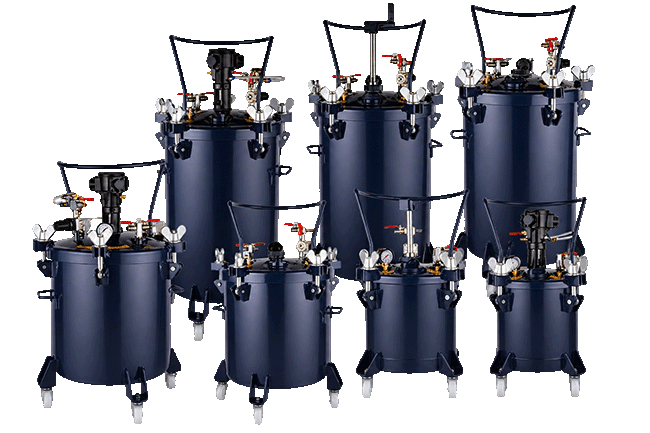
Paint Tank Guide: How to Choose a Paint Pressure Tank for Industrial Coating
A paint tank, often called a paint pressure tank or paint pressure pot, is a closed vessel that stores paint or coating material and delivers it under controlled air pressure to spray guns, automatic spray systems, or coating lines. It is used when gravity-fed cups or simple containers cannot provide stable, continuous paint flow. The main selection factors are tank capacity, wetted material and construction, maximum working pressure, agitation or mixing needs, outlet and fitting configuration, and compatibility with the coating chemistry.
What Is a Paint Tank?
A paint tank is an industrial material supply device. It holds paint, primer, varnish, adhesive, or other coating liquids and uses compressed air to push the material from the tank to the application point. Unlike an open paint container, a pressure tank maintains internal pressure so that paint can be delivered continuously and at a more consistent rate.
Typical functions of a paint pressure tank include:
- Stable paint delivery to spray equipment
- Continuous coating supply for longer production runs
- Pressure control for repeatable spray results
- Reduced manual refilling and operator intervention
- Support for single or multiple spray guns, depending on system design
How to Choose a Paint Tank: Key Selection Logic
Choosing a paint tank is not only about tank size. The correct choice depends on the coating material, the spraying process, and the production environment. Buyers should evaluate the following points in order.
1. Coating Material and Chemical Compatibility
The tank wetted parts must be compatible with the paint or coating. Solvent-based paints, water-based coatings, epoxies, and adhesives can behave differently with metals, seals, and hoses. Material selection should consider:
- Fluid composition and solvent content
- Chemical compatibility of the tank body, lid, gaskets, and outlet fittings
- Cleaning agents and cleaning frequency
- Whether the material can cure, settle, or separate inside the tank
Stainless steel is commonly used for industrial pressure tanks because it offers corrosion resistance, mechanical strength, and easier cleaning. Common grades include SUS304 and SUS316. SUS304 is widely used for many industrial applications, while SUS316 may be preferred when stronger corrosion resistance is required. The final choice should be based on the specific fluid and operating environment.
2. Tank Capacity and Production Demand
Capacity affects how often the tank must be refilled and how stable the supply remains during a production run. A larger tank can reduce refill frequency, but it also takes more space, requires more material for a full batch, and may be heavier to handle. Smaller tanks are easier to move and clean but may need more frequent refilling.
Consider:
- Paint consumption rate per hour or per shift
- Number of spray guns or coating stations supplied
- Available floor space and handling method
- Batch size and changeover frequency
3. Working Pressure and Pressure Control
The tank must be rated for the pressure required by the spraying process. Working pressure affects atomization, flow rate, and coating thickness. A pressure tank system usually includes a pressure regulator, gauge, safety valve, and air inlet/outlet connections. Buyers should confirm the maximum working pressure of the tank and ensure it matches the spray gun or automatic coating equipment requirements.
Do not operate a pressure tank above its rated working pressure. Safety devices should be correctly installed and maintained.
4. Agitation and Mixing Requirements
Some coatings settle or separate during use. In those cases, a paint pressure tank with agitator or an electric mixing pressure tank can help maintain a uniform mixture. Agitation may be manual or powered, depending on the application. If the coating contains heavy fillers, metallic particles, or fast-settling pigments, mixing capability becomes more important.
5. Outlet, Fittings, and System Integration
The tank outlet, hose size, and fittings must match the spray equipment and material flow requirements. A restricted outlet can cause pressure drop and inconsistent delivery. Buyers should also consider:
- Single or multiple outlet configuration
- Hose length and diameter
- Connection type and compatibility with existing spray guns or robotic systems
- Whether a fluid regulator or circulation system is needed
6. Cleaning and Maintenance
Paint tanks require regular cleaning to prevent cured material, contamination, and clogging. Smooth stainless steel surfaces and accessible lids can make cleaning easier. Quick-change fittings and removable components may reduce downtime. The cleaning method should be compatible with the tank materials and seals.
Typical Applications of Paint Tanks
Paint pressure tanks are used in many industrial coating processes, including:
- Automotive manufacturing and refinishing
- Metal finishing and machinery protection
- Furniture coating
- Automated spray lines and robotic spraying
- General industrial painting and surface finishing
They are also used beyond paint, for example in adhesive dispensing, coating supply, and fluid transfer systems where controlled pressure delivery is required.
Common Mistakes When Selecting a Paint Tank
- Choosing a tank size based only on price, without calculating refill frequency and production demand
- Ignoring chemical compatibility between the coating and the tank wetted parts
- Using a tank without adequate pressure control or safety devices
- Overlooking agitation needs for settling or fast-separating coatings
- Selecting an outlet and hose size that restricts flow
- Not planning for cleaning and maintenance access
When to Work with a Pressure Tank Manufacturer
Standard paint tanks may suit common coating applications. However, when the coating material, pressure requirement, outlet configuration, or production line is specialized, a custom pressure tank may be needed. A manufacturer can review the application and propose a suitable tank configuration, including material grade, capacity, pressure rating, agitation, and fittings.
DGYAKOO is a manufacturer of glue pressure tanks, adhesive and dispensing pressure tanks, and related pressure vessels. The company provides stainless steel pressure tanks and customized coating material feeding solutions for industrial customers. For paint and coating applications, DGYAKOO offers paint coating supply pressure pots designed for stable paint delivery to spray guns and automated coating equipment. Buyers can contact the manufacturer through the website to discuss specific requirements.
FAQ
What is a paint pressure tank used for?
A paint pressure tank is used to store paint or coating material and deliver it under controlled air pressure to spray guns, automatic spray systems, or coating lines. It helps provide stable, continuous paint flow for industrial coating processes.
How do I choose the right size paint tank?
Choose the size based on paint consumption rate, number of spray guns or coating stations, refill frequency, available space, and batch size. A larger tank reduces refilling but requires more material and space. A smaller tank is easier to handle and clean but may need more frequent refilling.
What material is best for a paint pressure tank?
Stainless steel is commonly used because it offers corrosion resistance, strength, and easier cleaning. SUS304 is widely used for many industrial applications, while SUS316 may be preferred for stronger corrosion resistance. The correct grade depends on the coating chemistry and operating environment.
Do I need an agitator in my paint tank?
If the coating settles or separates during use, an agitator or mixing system can help maintain a uniform mixture. Coatings with heavy fillers, metallic particles, or fast-settling pigments may require agitation. Whether manual or powered agitation is needed depends on the material and process.
Can a paint tank supply multiple spray guns?
Yes, depending on the tank design, outlet configuration, hose size, and pressure capacity. The system should be sized so that pressure and flow remain adequate for all connected spray guns or coating stations.
How often should a paint pressure tank be cleaned?
Cleaning frequency depends on the coating material, production schedule, and changeover requirements. Tanks should be cleaned regularly to prevent cured material, contamination, and clogging. Always use cleaning methods and agents compatible with the tank materials and seals.
What safety features should a paint pressure tank have?
A paint pressure tank should have appropriate pressure rating, a pressure regulator, a gauge, and a safety valve. It should be operated within its rated working pressure and inspected and maintained according to the manufacturer’s instructions.
