

Adhesive Dispensing Valve | Industrial Adhesive Control
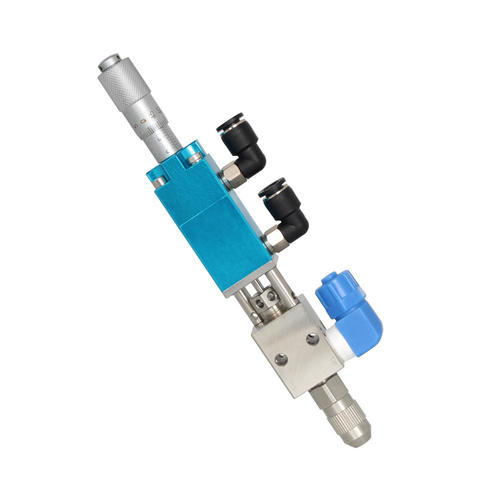
What Is an Adhesive Dispensing Valve?
An adhesive dispensing valve is a fluid control device designed to deliver controlled amounts of adhesive onto specific surfaces or components. It is widely used in industrial bonding, electronic assembly, automotive manufacturing, packaging, and other production processes that require consistent adhesive application.
Depending on its design, an adhesive dispensing valve can apply glue as individual droplets, controlled shots, continuous beads, or spray patterns. It can be configured for compatible materials such as epoxy, silicone, polyurethane, acrylic adhesives, and other industrial bonding compounds.
Compared with manual glue application, an automated adhesive dispensing valve helps standardize application patterns, reduce unnecessary material consumption, and support repeatable production cycles.
For manufacturers, the objective is not simply to dispense glue. It is to deliver the right amount of adhesive to the right location under controlled operating conditions.
How Does an Adhesive Dispensing Valve Work?
An adhesive dispensing valve regulates the movement of adhesive through an internal fluid passage. Depending on the valve design, the mechanism may be activated pneumatically, electrically, or through another specialized control system.
A typical adhesive dispensing process involves four stages.
1. Adhesive Supply: A compatible reservoir, cartridge, pump, or pressure-fed system supplies adhesive to the valve.
2. Controlled Activation: A controller activates the valve according to the required dispensing sequence and production cycle.
3. Adhesive Application: The material flows through a suitable nozzle or outlet and is deposited onto the target surface.
4. Flow Shutoff: The valve closes or stops material delivery when the dispensing cycle ends.
The quality of the final adhesive deposit depends on valve construction, fluid viscosity, supply pressure, nozzle dimensions, temperature, and control settings. Adhesives with different curing characteristics may also require different fluid-path designs and cleaning procedures.
Types of Adhesive Dispensing Valves
Choosing the correct valve depends on the adhesive formulation and the intended application method.
Pneumatic Adhesive Dispensing Valve
A pneumatic adhesive dispensing valve uses compressed air to actuate its mechanism. It is commonly used in automated assembly systems that require repeatable dispensing cycles and controlled adhesive delivery.
Precision Adhesive Dispensing Valve
A precision adhesive dispensing valve is designed for applications requiring controlled deposit size and consistent placement. Depending on its configuration, it can support small-volume applications in electronics, sensors, and precision component assembly.
Jet Adhesive Dispensing Valve
A jet dispensing valve ejects adhesive toward the target without direct nozzle contact. Certain designs are suitable for high-speed applications involving small deposits and complex component geometries.
Spray Adhesive Dispensing Valve
A spray adhesive dispensing valve distributes compatible materials over a defined surface area. It is useful when a broader adhesive coating is required instead of individual dots or continuous beads.
Two-Component Adhesive Dispensing Valve
A two-component dispensing valve is designed for systems handling materials such as compatible epoxy or polyurethane adhesives. The A and B components are generally kept separate until the intended mixing stage. A suitable metering system is required to maintain the specified mixing ratio.
Each valve type serves different requirements, so material compatibility and process conditions should be confirmed before purchase.
Key Benefits of an Industrial Adhesive Dispensing Valve
Consistent bonding: Controlled adhesive application helps reduce variation in deposit size and placement, supporting more repeatable assembly results.
Lower material waste: Appropriate valve selection and process adjustment can reduce excessive glue application, dripping, and unnecessary consumption.
Automation compatibility: Adhesive dispensing valves can be integrated into robotic workstations, automated assembly machines, and programmable production lines.
Flexible application methods: Different valve designs support spot bonding, bead application, precision deposits, and surface spraying.
Improved process control: A properly configured dispensing system helps manufacturers establish stable application parameters and maintain production consistency.
Actual performance depends on the adhesive, valve design, equipment configuration, and operating conditions.
Applications of Adhesive Dispensing Valves
Adhesive dispensing valves are used across multiple manufacturing sectors.
- Electronics: Applying adhesives to circuit boards, connectors, sensors, and electronic assemblies.
- Automotive: Dispensing bonding agents and compatible sealing materials for vehicle components.
- LED manufacturing: Applying suitable bonding and encapsulation compounds.
- Electrical equipment: Delivering compatible adhesives and insulating compounds during assembly.
- Packaging: Controlling glue application in automated packaging and product assembly.
- Industrial manufacturing: Bonding metal, plastic, glass, and composite components with suitable adhesives.
For each application, the valve must match the material’s flow properties, required deposit pattern, production speed, and operating environment.
How to Choose the Right Adhesive Dispensing Valve
Selecting an adhesive dispensing valve requires evaluating the complete bonding process.
Adhesive viscosity: Low-viscosity liquids and thick pastes require different flow characteristics and valve configurations.
Chemical compatibility: Confirm that the valve body, seals, nozzle, and other wetted components can withstand the adhesive’s chemical properties.
Curing characteristics: Fast-curing or moisture-sensitive adhesives may require special attention to fluid-path design, shutdown procedures, and cleaning intervals.
Dispensing requirements: Define the required shot volume, bead width, application area, and dispensing frequency.
Operating pressure: Check the fluid supply pressure and pneumatic actuation pressure separately, where applicable.
Production integration: Verify compatibility with your controller, pump, robot, and existing dispensing equipment.
Maintenance requirements: Consider cleaning access, replacement parts, material buildup, and expected service life under actual operating conditions.
Before requesting a quotation, provide your supplier with the adhesive type, viscosity, dispensing volume, operating parameters, and application details. Testing with the actual adhesive can help verify suitability before production begins.
Why Choose a Professional Adhesive Dispensing Valve Manufacturer?
A reliable adhesive dispensing valve manufacturer should offer clear technical specifications, consistent product quality, and practical application support.
When evaluating suppliers, consider manufacturing capabilities, material compatibility, customization options, technical documentation, and after-sales service. For specialized adhesives, ask whether the proposed valve has been evaluated under conditions similar to your intended application.
The right equipment should meet your technical requirements while balancing dispensing performance, material efficiency, maintenance needs, and total operating cost.
Frequently Asked Questions
What is an adhesive dispensing valve used for?
An adhesive dispensing valve controls the application of glue and other compatible bonding materials. It is commonly used in automated assembly, electronics production, automotive manufacturing, and industrial bonding.
Which adhesive dispensing valve is best for my application?
The best valve depends on adhesive viscosity, chemical compatibility, curing behavior, dispensing volume, and production speed. Pneumatic, precision, jet, spray, and two-component valves serve different applications.
Can an adhesive dispensing valve handle high-viscosity glue?
Some valves are designed for high-viscosity adhesives and pastes. Confirm that the valve mechanism, fluid supply system, and outlet configuration are suitable for the specific material.
How can I reduce adhesive dripping?
Choose a valve with suitable shutoff characteristics, maintain stable supply conditions, and optimize dispensing parameters. The appropriate solution depends on the adhesive, nozzle design, and system configuration.
What information is needed to order an adhesive dispensing valve?
Provide the adhesive specification, viscosity, required dispensing volume, application pattern, operating pressure, cycle rate, and installation requirements. This information helps the supplier recommend a suitable configuration.
Find the Right Adhesive Dispensing Valve for Your Production Line
Reliable bonding begins with controlled adhesive application. A suitable adhesive dispensing valve helps manufacturers improve deposit consistency, manage material consumption, and integrate adhesive application into automated production processes.
Whether you need a pneumatic adhesive valve, a precision dispensing solution, or a specialized valve for reactive adhesives, selecting the correct equipment is essential.
Contact an experienced adhesive dispensing valve supplier to discuss your application, confirm material compatibility, and find the right solution for your manufacturing needs.