

Automatic Dispensing Valve | Industrial Automation Solutions
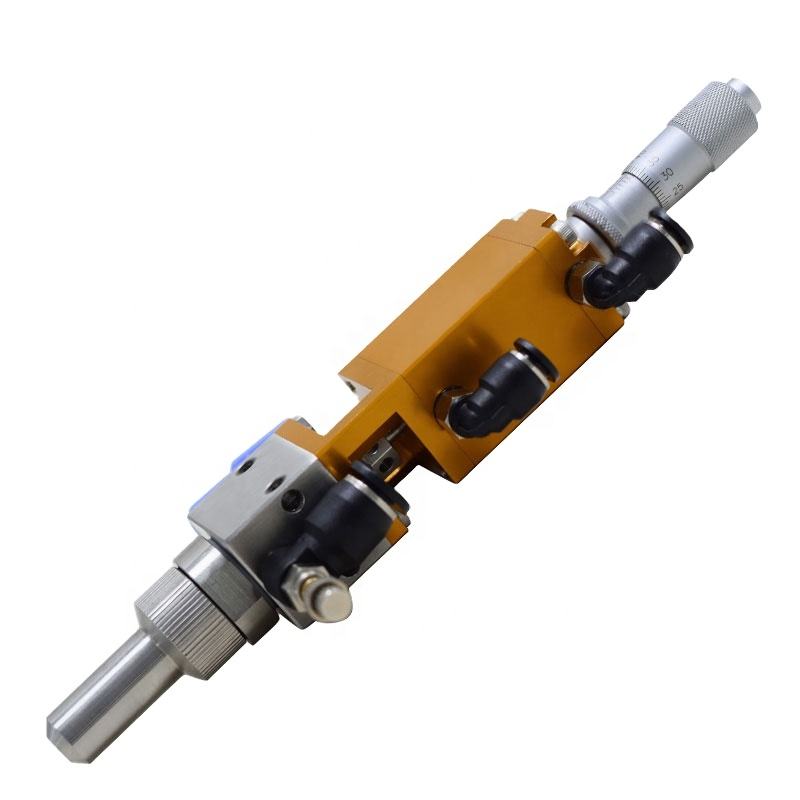
What Is an Automatic Dispensing Valve?
An automatic dispensing valve is a fluid control component designed to deliver liquids, adhesives, sealants, lubricants, and other compatible materials through an automated dispensing process. It is commonly used in manufacturing environments where repeatable application, controlled material delivery, and efficient production are important.
Unlike manual dispensing tools, an automatic dispensing valve operates through a control system that coordinates dispensing cycles with the production process. Depending on its design, the valve can apply individual droplets, controlled shots, continuous beads, or spray patterns.
Automatic dispensing valves are widely used in electronics assembly, automotive manufacturing, industrial bonding, LED production, and automated component assembly.
For manufacturers looking to improve production consistency and reduce manual intervention, selecting the right automatic dispensing valve can help establish a more efficient and controlled fluid application process.
How Does an Automatic Dispensing Valve Work?
An automatic dispensing valve operates according to signals from a controller, programmable logic controller (PLC), dispensing system, or other compatible automation equipment.
A typical system includes a material supply, dispensing valve, control unit, and suitable nozzle or outlet.
The process generally involves four stages:
1. Material Supply: A compatible reservoir, cartridge, pump, or pressure-fed system delivers fluid to the valve.
2. Automated Control: The controller activates the valve according to programmed timing, positioning, or production-cycle requirements.
3. Material Application: The valve releases fluid through its outlet onto the designated component or surface.
4. Dispensing Shutoff: The valve stops material delivery when the programmed dispensing cycle ends, according to its operating mechanism.
Automation can improve repeatability, but the valve alone does not necessarily measure an exact fluid volume. Actual output depends on the valve design, material viscosity, supply conditions, nozzle configuration, and control parameters. Applications requiring precise shot volumes may also need a suitable metering system.
Key Benefits of Automatic Dispensing Valves
1. Consistent Production Processes
Automatic dispensing valves help standardize dispensing sequences and reduce variations associated with manual operation. Under controlled conditions, this can improve application consistency across production batches.
2. Reduced Manual Intervention
By integrating dispensing operations with automated equipment, manufacturers can reduce repetitive manual tasks and simplify production workflows.
3. Better Material Utilization
Controlled fluid application can help minimize excessive adhesive use, unwanted dripping, and unnecessary material consumption. Actual savings depend on the material and dispensing process.
4. Flexible Automation Integration
Depending on the model, automatic dispensing valves can be integrated into robotic workstations, assembly machines, conveyor systems, and programmable manufacturing equipment.
5. Scalable Manufacturing Operations
Automated dispensing supports standardized production processes and can help manufacturers maintain repeatable application procedures as production requirements change.
Industrial Applications of Automatic Dispensing Valves
Automatic dispensing valves support a broad range of manufacturing applications.
- Electronics manufacturing: Applying adhesives, protective compounds, and thermal interface materials to electronic assemblies.
- Automotive production: Dispensing compatible bonding agents, sealants, and lubricants.
- LED manufacturing: Applying suitable bonding and encapsulation materials.
- Electrical equipment: Delivering compatible insulating compounds and assembly adhesives.
- Industrial machinery: Applying grease, thread-locking compounds, and other functional fluids.
- Packaging and consumer products: Controlling adhesive application during automated assembly and packaging.
The appropriate valve depends on the fluid characteristics, required application pattern, production speed, and equipment configuration.
How to Choose the Right Automatic Dispensing Valve
Selecting an automatic dispensing valve requires matching the equipment to your material and production process.
Fluid viscosity: Confirm that the valve can handle the material’s flow characteristics. High-viscosity adhesives and pastes may require specialized valve designs.
Dispensing requirements: Define the required droplet size, shot volume, bead dimensions, or spray coverage.
Automation compatibility: Check the control interface, actuation method, response requirements, and compatibility with your existing equipment.
Material compatibility: Ensure that the valve body, seals, nozzle, and other wetted components are compatible with the fluid’s chemical properties.
Operating pressure: Verify the fluid supply pressure and, where applicable, pneumatic actuation pressure separately.
Production speed: Consider the required cycle frequency, valve response, and repeatability under actual operating conditions.
Maintenance requirements: Evaluate cleaning procedures, replacement parts, material buildup, and service accessibility.
Before requesting a quotation, provide your supplier with the fluid type, viscosity, target dispensing volume, production cycle, operating conditions, and automation requirements.
Automatic Dispensing Valve vs. Manual Dispensing
The main difference is how the dispensing process is controlled.
Manual dispensing relies on operator actions, which can introduce variation in timing, placement, and material quantity. An automatic dispensing valve operates through a defined control sequence, helping standardize the process and integrate fluid application with other production operations.
For low-volume or occasional tasks, manual dispensing may be sufficient. For repetitive assembly, high-volume production, or applications requiring consistent placement, an automatic dispensing system can offer significant operational advantages.
The best choice depends on production volume, required repeatability, equipment investment, and the complexity of the application.
Why Choose a Professional Automatic Dispensing Valve Manufacturer?
A reliable automatic dispensing valve manufacturer should provide clear technical specifications, consistent product quality, and support for system integration.
When comparing suppliers, review valve configurations, material compatibility, control requirements, manufacturing quality, customization options, and after-sales service.
For specialized fluids or demanding applications, testing the valve with the actual material can help verify compatibility, dispensing consistency, and shutoff performance before full-scale production.
Choosing the right supplier helps reduce integration risks and supports a more dependable long-term dispensing process.
Frequently Asked Questions
What is an automatic dispensing valve used for?
An automatic dispensing valve controls the delivery of compatible fluids such as adhesives, sealants, lubricants, and coatings in automated manufacturing and assembly processes.
Can an automatic dispensing valve be connected to a PLC?
Many automatic dispensing valves can operate with PLC-controlled systems or other compatible controllers. The required electrical or pneumatic interface depends on the valve model.
Does an automatic dispensing valve guarantee precise dispensing volume?
Not by itself. Output depends on valve design, fluid properties, supply stability, nozzle configuration, and control settings. Applications requiring precise volume control may need a suitable metering mechanism.
Can automatic dispensing valves handle different adhesives?
Some valves can handle multiple compatible adhesives, but suitability depends on viscosity, chemical compatibility, curing characteristics, and cleaning requirements.
What information is needed to select an automatic dispensing valve?
Provide the material type, viscosity, dispensing volume, required cycle rate, operating pressure, automation interface, and application environment.
Find the Right Automatic Dispensing Valve for Your Production Line
Reliable automated fluid application starts with equipment matched to your material, control system, and manufacturing requirements.
A suitable automatic dispensing valve can help standardize dispensing operations, reduce manual intervention, and support consistent production processes.
Whether you are upgrading an existing assembly line or developing a new automated manufacturing system, selecting the right valve is an important step toward improved operational efficiency.
Contact an experienced automatic dispensing valve supplier to discuss your application, confirm technical compatibility, and find the right solution for your production needs.
