

Precision Dispensing Valve | High-Accuracy Fluid Control
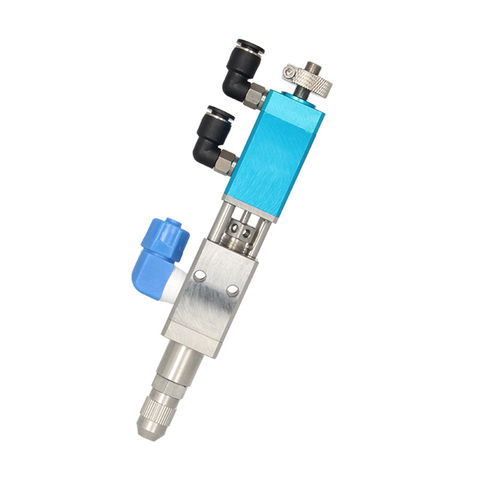
What Is a Precision Dispensing Valve?
A precision dispensing valve is a specialized fluid control device designed to deliver controlled amounts of liquid or paste materials to specific locations. It is widely used in manufacturing processes where consistent application, accurate positioning, and repeatable dispensing performance are essential.
Depending on its design, a precision dispensing valve can dispense micro-drops, individual fluid shots, continuous beads, or other defined application patterns. Common applications include adhesive bonding, electronic assembly, component sealing, lubrication, and the application of compatible industrial coatings.
Unlike general-purpose fluid valves, precision dispensing valves are selected according to specific process requirements, including material viscosity, target deposit size, dispensing frequency, and application geometry.
For manufacturers working with small components or demanding assembly tolerances, choosing the right precision dispensing valve can help improve process control, reduce unnecessary material consumption, and maintain consistent production quality.
How Does a Precision Dispensing Valve Work?
A precision dispensing valve controls material delivery through an internal mechanism that opens, closes, or regulates the fluid passage. Depending on the model, the mechanism may use pneumatic actuation, electric actuation, jetting technology, or another specialized design.
A typical precision dispensing process involves four stages:
1. Material Feeding: A compatible reservoir, cartridge, pump, or pressure-controlled system supplies the fluid to the valve.
2. Dispensing Control: A controller activates the valve according to the required timing and production sequence.
3. Precise Application: The material passes through a suitable nozzle or outlet and reaches the designated location.
4. Flow Shutoff: The valve stops material delivery when the dispensing cycle ends, according to its operating design.
The final dispensing result depends on more than the valve itself. Fluid viscosity, supply pressure, nozzle geometry, temperature, control parameters, and equipment condition all influence deposit consistency.
It is therefore important to evaluate the valve as part of the complete dispensing system rather than treating it as an independent guarantee of accuracy.
Key Benefits of Precision Dispensing Valves
1. Controlled Micro-Volume Application
Specialized precision dispensing valves can support applications requiring small fluid deposits in confined spaces. This is particularly useful in electronics assembly, sensor production, and precision component manufacturing.
2. Repeatable Dispensing Performance
A suitable valve helps maintain consistent dispensing cycles under controlled operating conditions. Repeatability is important when variations in adhesive placement or deposit size can affect product quality.
3. Improved Material Utilization
Accurate control of material delivery can reduce excessive application and unnecessary fluid consumption. The actual savings depend on the dispensing method, material properties, and process configuration.
4. Integration with Automated Equipment
Precision dispensing valves can be incorporated into robotic workstations, programmable assembly machines, and automated production lines. This supports standardized dispensing sequences and reduces dependence on manual application.
5. Flexible Process Configuration
Different valve mechanisms and nozzle designs can accommodate different fluids, deposit sizes, and application patterns. This flexibility allows manufacturers to select equipment suited to their production requirements.
Industrial Applications of Precision Dispensing Valves
Precision dispensing valves are used across a wide range of manufacturing industries.
- Electronics manufacturing: Applying adhesives, thermal interface materials, and protective compounds to electronic components.
- Semiconductor and sensor assembly: Delivering specialized materials to small or precisely defined areas.
- Automotive manufacturing: Dispensing compatible adhesives, sealants, and functional lubricants.
- LED production: Applying suitable bonding and encapsulation materials.
- Medical device manufacturing: Applying compatible adhesives and process materials under the required manufacturing conditions.
- Industrial equipment assembly: Depositing lubricants, bonding agents, and other functional fluids at designated locations.
Each application has different requirements for fluid properties, deposit dimensions, cycle speed, and process reliability. Selecting the correct valve configuration helps align dispensing performance with these requirements.
How to Choose the Right Precision Dispensing Valve
Before purchasing a precision dispensing valve, evaluate the following technical factors.
Fluid viscosity: Confirm that the valve can handle the material’s flow characteristics. High-viscosity pastes may require a specialized mechanism and suitable fluid supply equipment.
Required dispensing volume: Define the target deposit size, shot volume, or bead dimensions. Confirm that the selected valve can meet these requirements with the intended material.
Repeatability requirements: Identify the acceptable variation in dispensing output and request supporting test data where available.
Actuation method: Compare pneumatic, electric, and jet dispensing technologies according to your process speed, control system, and application needs.
Material compatibility: Check the chemical compatibility of the valve body, seals, nozzle, and other wetted components.
Operating conditions: Consider supply pressure, temperature, dispensing frequency, and the working environment.
Maintenance and serviceability: Evaluate cleaning requirements, replacement components, and the risk of material buildup or curing inside the fluid path.
Before requesting a quotation, provide the supplier with the fluid specification, viscosity, target deposit size, required cycle rate, and application details. These details help identify an appropriate valve configuration.
Why Choose a Professional Precision Dispensing Valve Manufacturer?
A professional precision dispensing valve manufacturer should provide clear technical specifications, consistent product quality, and application guidance based on actual operating requirements.
When comparing suppliers, evaluate product documentation, manufacturing quality, material compatibility, customization options, and after-sales support.
For applications involving expensive materials, demanding tolerances, or fast-curing adhesives, testing the valve with the intended fluid can help verify dispensing consistency and identify potential compatibility issues before production begins.
The right solution should balance dispensing performance, equipment cost, maintenance requirements, and long-term production efficiency.
Frequently Asked Questions
What is a precision dispensing valve used for?
A precision dispensing valve controls the application of compatible fluids such as adhesives, sealants, lubricants, and coatings. It is commonly used in electronics, precision assembly, automotive manufacturing, and automated production.
What affects precision dispensing accuracy?
Fluid viscosity, supply stability, nozzle dimensions, valve design, temperature, control timing, and maintenance condition can all affect dispensing results.
Can a precision dispensing valve handle high-viscosity adhesives?
Some models are designed for high-viscosity adhesives and pastes. Suitability depends on the valve mechanism, material characteristics, fluid supply system, and required dispensing volume.
What is the difference between a precision dispensing valve and a standard dispensing valve?
A precision dispensing valve is selected for applications with specific requirements for deposit size, placement, and repeatability. The actual performance difference depends on the designs and specifications of the valves being compared.
How do I select a precision dispensing valve supplier?
Compare technical specifications, material compatibility, available valve configurations, product quality, customization capabilities, and application support. Testing the valve with your actual material can help confirm suitability.
Find the Right Precision Dispensing Valve for Your Application
Accurate fluid application starts with equipment designed around your material and production requirements. A suitable precision dispensing valve can help improve process consistency, control material consumption, and support automated manufacturing.
Whether you need micro-volume adhesive application, controlled fluid deposits, or a customized dispensing solution, selecting the correct valve is essential for dependable production.
Contact a professional precision dispensing valve supplier to discuss your application requirements, review available configurations, and identify the right solution for your manufacturing process.
