

Single Component Dispensing Valve | Industrial Adhesive Solutions
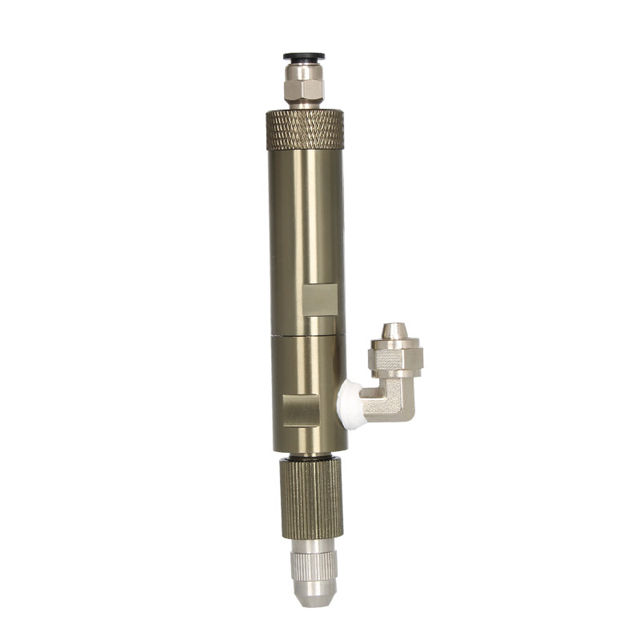
What Is a Single Component Dispensing Valve?
A single component dispensing valve is a fluid control device designed to dispense one-part adhesives, sealants, lubricants, and other compatible industrial materials. Unlike two-component dispensing systems, it handles a single material and does not require separate A and B components to be metered and mixed before application.
Depending on its design, the valve can deliver individual droplets, controlled shots, continuous beads, or other defined dispensing patterns. It is widely used in electronics assembly, automotive manufacturing, industrial bonding, electrical equipment production, and precision component assembly.
Single-component materials can offer a straightforward dispensing workflow, but their viscosity, curing mechanism, and sensitivity to moisture or temperature still need careful consideration.
For manufacturers seeking reliable adhesive application, selecting the right single component dispensing valve helps establish consistent material delivery and supports efficient production.
How Does a Single Component Dispensing Valve Work?
A single component dispensing valve controls material flow through an internal passage that opens, closes, or regulates the release of fluid. Depending on the model, the valve may use pneumatic actuation, electric actuation, or another specialized mechanism.
A typical system includes a material container, a compatible fluid supply, a dispensing valve, a controller, and a suitable nozzle.
The process generally involves four stages:
1. Material Supply: The adhesive is delivered from a cartridge, reservoir, pump, or pressure-fed system compatible with the material.
2. Valve Activation: A control signal activates the valve according to the required dispensing sequence.
3. Adhesive Application: The material passes through the valve outlet and is deposited onto the target surface or component.
4. Flow Shutoff: The valve stops material delivery at the end of the dispensing cycle according to its operating design.
The final dispensing result depends on the valve mechanism, adhesive viscosity, supply pressure, nozzle geometry, temperature, and control settings. Applications requiring precise shot volumes may also need a suitable metering system.
Key Advantages of Single Component Dispensing Valves
1. Simplified Material Handling
A single-component system handles one material rather than managing two separate adhesive components and their mixing ratio. This can simplify equipment configuration and routine operation.
2. Consistent Adhesive Application
A properly selected dispensing valve helps maintain repeatable dispensing cycles. Stable material supply and suitable process settings are essential for consistent adhesive placement.
3. Reduced Material Waste
Controlled dispensing can help reduce excessive adhesive application, unwanted dripping, and unnecessary consumption. Actual savings depend on the material and dispensing setup.
4. Flexible Automation Integration
Single component dispensing valves can be integrated into compatible robotic systems, automated assembly machines, and programmable production lines.
5. Adaptability to Different Adhesives
Depending on its construction and wetted materials, a dispensing valve can be configured for compatible silicone, epoxy, polyurethane, acrylic adhesive, sealant, and other single-component formulations.
Material compatibility must always be confirmed for the specific product and valve model.
Industrial Applications of Single Component Dispensing Valves
Single component dispensing valves are used in manufacturing processes that require controlled adhesive or fluid application.
- Electronics manufacturing: Applying compatible adhesives and protective compounds to circuit boards, connectors, and electronic assemblies.
- Automotive production: Dispensing one-part sealants, bonding materials, and assembly compounds.
- LED manufacturing: Applying suitable bonding and encapsulation materials.
- Electrical equipment: Delivering compatible insulating adhesives and sealing compounds.
- Industrial assembly: Bonding metal, plastic, and composite components with suitable single-component adhesives.
- Machinery maintenance: Applying compatible lubricants and functional fluids to designated components.
The appropriate valve depends on material properties, application geometry, dispensing volume, production speed, and environmental conditions.
How to Choose the Right Single Component Dispensing Valve
Selecting a single component dispensing valve requires matching the valve to the material and production process.
Material viscosity: Confirm that the valve can handle the adhesive’s flow characteristics under actual operating conditions.
Curing mechanism: Determine whether the material cures through moisture exposure, heat, light, or another mechanism. This affects material handling, fluid-path design, and cleaning requirements.
Dispensing volume: Define the required droplet size, shot volume, or bead dimensions.
Chemical compatibility: Check the valve body, seals, nozzle, and other wetted components for compatibility with the adhesive formulation.
Operating pressure: Verify the fluid supply pressure and, where applicable, the pneumatic actuation pressure separately.
Automation requirements: Consider control interfaces, response time, dispensing frequency, and compatibility with existing equipment.
Maintenance and cleaning: Evaluate the risk of curing or material buildup inside the valve, along with cleaning procedures and replacement part availability.
Before requesting a quotation, provide the supplier with the adhesive specification, viscosity, dispensing volume, operating conditions, curing characteristics, and application details.
How to Prevent Dripping and Clogging
Dripping, inconsistent deposits, and blocked fluid passages can affect production quality and increase maintenance costs.
To minimize these problems, maintain stable material supply conditions, select a suitable nozzle, and optimize the dispensing parameters. For moisture-sensitive or fast-curing adhesives, ensure that the valve and fluid path are compatible with the material and follow the manufacturer’s recommended handling and cleaning procedures.
If dripping continues, investigate the valve’s shutoff behavior, material viscosity, supply pressure, and nozzle condition. Increasing pressure alone may not solve the underlying problem and can exceed the equipment’s operating limits.
For demanding applications, testing the actual adhesive before full-scale production helps verify compatibility and dispensing performance.
Why Choose a Professional Single Component Dispensing Valve Manufacturer?
A professional single component dispensing valve manufacturer should provide clear technical specifications, reliable product quality, and application-specific guidance.
When comparing suppliers, evaluate material compatibility, available valve configurations, customization options, product documentation, maintenance requirements, and after-sales support.
A suitable supplier should help you identify a valve that matches your adhesive characteristics and production requirements rather than recommending equipment based on price alone.
Frequently Asked Questions
What is a single component dispensing valve used for?
It controls the application of one-part adhesives, sealants, lubricants, and other compatible fluids in industrial bonding, electronics assembly, automotive manufacturing, and automated production.
What is the difference between single-component and two-component dispensing valves?
A single-component valve dispenses one material. A two-component system handles separate A and B materials that must be delivered and mixed at a specified ratio before or during application.
Can a single component dispensing valve handle high-viscosity adhesive?
Some models are designed for high-viscosity materials. Suitability depends on valve construction, flow passage dimensions, material properties, and the fluid supply system.
How can I improve single-component adhesive dispensing accuracy?
Maintain stable supply conditions, select an appropriate valve and nozzle, optimize dispensing timing, and follow the material manufacturer’s handling recommendations.
What information is required to select a single component dispensing valve?
Provide the adhesive type, viscosity, curing mechanism, target dispensing volume, operating pressure, production cycle, and application environment.
Find the Right Single Component Dispensing Valve for Your Application
Reliable adhesive application starts with the right combination of valve design, material compatibility, and process control.
Whether you are dispensing silicone sealant, one-part epoxy, polyurethane adhesive, or another compatible material, a suitable single component dispensing valve can help improve application consistency and support efficient manufacturing.
Contact an experienced single component dispensing valve supplier to discuss your material requirements, confirm technical compatibility, and find a dispensing solution tailored to your production process.
