

Spray Paint Pressure Safety | Prevent Overpressure Risks in Industrial Painting
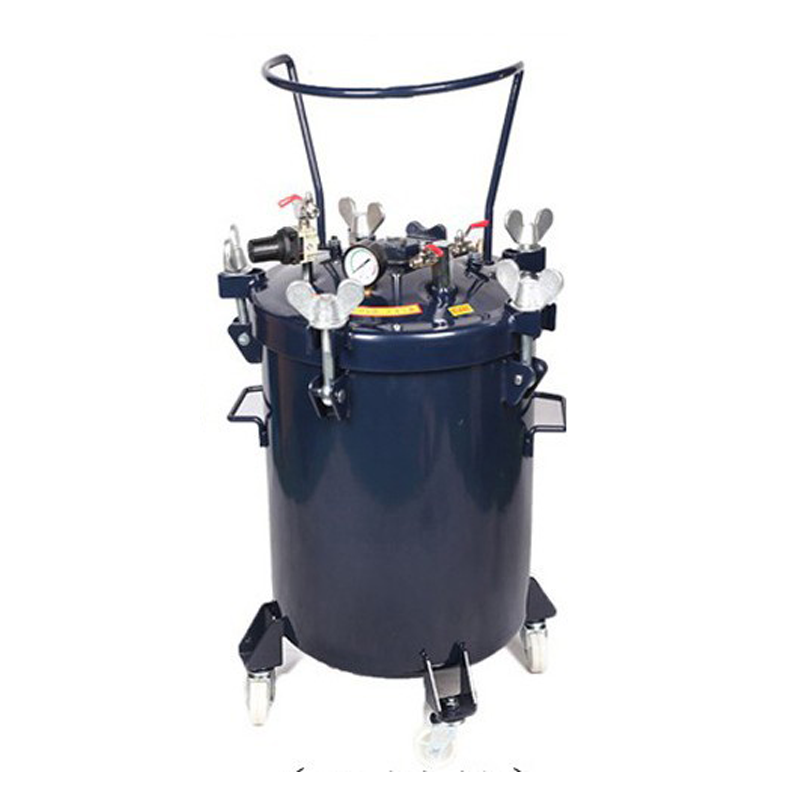
Why Is Spray Paint Pressure Safety Important?
Spray paint pressure must remain within the operating limits specified for the spray equipment, paint supply system, hoses, fittings, and pressure tank. Safe operation requires appropriate pressure regulation, functional protective devices, regular inspections, and correct procedures for handling pressurized equipment.
In industrial painting, pressure-related incidents can result from excessive pressurization, damaged connections, incompatible components, blocked outlets, or opening a tank before it has been fully depressurized.
A safe spray painting system is therefore designed not only to deliver coating material consistently but also to protect operators and equipment throughout filling, spraying, cleaning, and maintenance.
1. Understand the Pressure Limits of Every Component
An industrial spray painting system may contain a pressure tank, regulator, pressure gauge, fluid hose, spray gun, valves, and connecting fittings. Each component has its own operating requirements and pressure rating.
Before operating the system, verify the manufacturer’s specifications for all pressurized components.
Important checks include:
- The maximum allowable working pressure of the pressure tank.
- The operating range and condition of the regulator.
- The pressure rating and compatibility of hoses and fittings.
- The specified operating limits of the spray gun and fluid delivery components.
- The required protective devices and applicable inspection requirements.
The system must operate within the limits of every component. A high-rated tank does not make a lower-rated hose or fitting suitable for higher pressure.
Never increase pressure beyond the equipment manufacturer’s permitted range to compensate for poor material flow or an unsuitable spray configuration.
2. Why Pressure Relief Devices Matter
A pressure relief device helps protect suitable pressurized equipment against excessive pressure when correctly selected, installed, and maintained.
For paint pressure tanks, the required protection depends on the tank design, applicable regulations, and manufacturer specifications.
Operators should verify that required relief devices are present, correctly configured, and free from visible damage or obstruction. Inspection and servicing should follow the manufacturer’s instructions and applicable requirements.
Never disable, block, or modify a pressure relief device to increase paint delivery. If a device repeatedly releases pressure or appears to malfunction, stop using the equipment according to the established safety procedure and arrange a qualified inspection.
A pressure gauge and a relief device serve different purposes. The gauge indicates pressure; the relief device provides a protective function where designed and required.
3. Inspect the Paint Pressure Tank Before Operation
A pre-operation inspection can help identify problems before the tank is pressurized.
Tank body and lid: Check for visible damage, deformation, corrosion, or other conditions that could compromise the equipment.
Seals and gaskets: Inspect accessible seals for wear, deterioration, or incorrect installation. Replace components according to the manufacturer’s recommendations.
Connections and hoses: Look for damaged fittings, loose connections, cracks, abrasion, or signs of leakage.
Pressure gauge: Check that the gauge is readable and that its condition and calibration status meet the maintenance requirements.
Regulator and protective devices: Verify that the relevant controls and safety devices are present and appear to be in suitable condition.
Tank identification: Confirm that the equipment is suitable for the intended service and that its pressure rating and operating instructions are available.
If the tank shows structural damage, abnormal leakage, or signs of unsafe operation, do not pressurize it until it has been assessed by a qualified person.
4. Follow Safe Procedures When Filling and Pressurizing
Filling and pressurizing a paint tank should follow a documented procedure appropriate for the specific equipment and coating material.
Before filling, confirm that the tank is in the required safe state and that the material is compatible with the tank, seals, and fluid passages. Follow the coating manufacturer’s handling instructions, including any ventilation, personal protective equipment, and fire-safety requirements.
During pressurization:
- Confirm that the tank lid and required connections are correctly secured.
- Check that the regulator and pressure gauge are suitable for the intended operating range.
- Increase pressure according to the equipment manufacturer’s procedure.
- Monitor the system for abnormal noise, leakage, or unexpected pressure changes.
- Stop operation if the equipment behaves abnormally.
Do not use improvised fittings, bypass safety controls, or apply pressure to equipment that has not been verified as suitable for pressurized service.
5. Never Open a Pressurized Paint Tank
Opening a tank while it remains pressurized can cause the lid, fittings, or coating material to be released suddenly, creating a serious injury risk.
Before opening a paint pressure tank for refilling, cleaning, or inspection:
- Stop the spraying operation.
- Isolate the pressure source according to the approved procedure.
- Relieve the stored pressure using the designated method.
- Verify that the tank has reached the required safe, depressurized state.
- Follow the manufacturer’s instructions before loosening the lid or disconnecting components.
Do not rely solely on a regulator setting or an assumption that the tank is empty. Residual pressure may remain even after the air supply has been disconnected.
Never loosen a lid, fitting, or hose connection to release trapped pressure. Use the equipment’s designated depressurization procedure.
6. Consider Paint Compatibility and the Working Environment
Pressure safety also depends on the coating material and the surrounding workplace.
Some paints and solvents may produce flammable vapors or require specific ventilation and handling controls. The tank, seals, hoses, and fittings must be compatible with the material being used.
For applicable coatings, review requirements for ventilation, ignition-source control, grounding and bonding, and suitable electrical equipment. Follow the coating safety data sheet and workplace risk assessment.
Do not assume that a pressure tank suitable for one paint formulation is automatically suitable for another. Changes in solvent chemistry, cleaning agents, or coating materials may affect component compatibility.
7. Establish a Preventive Maintenance Schedule
A documented maintenance program helps keep pressure equipment in a suitable operating condition.
The schedule should address:
- Inspection of tank surfaces and pressure connections.
- Examination of seals, hoses, and fittings.
- Functional checks of regulators and required safety devices.
- Gauge verification and calibration where required.
- Cleaning and material residue removal using approved procedures.
- Replacement of worn components according to manufacturer guidance.
- Required periodic inspections under applicable regulations.
Maintenance frequency should reflect the equipment instructions, operating conditions, material compatibility, and regulatory requirements.
Pressure vessels must be inspected and serviced by appropriately qualified personnel whenever required. Do not attempt unauthorized repairs to pressure-bearing components.
Frequently Asked Questions
What is the safest spray paint pressure setting?
The safe setting is the one permitted by the equipment manufacturer and suitable for the specific coating process. The pressure must remain within the limits of every connected component.
Can I increase paint tank pressure to improve material flow?
Not unless the adjustment remains within the specified operating limits and follows the approved procedure. Poor flow may indicate a blockage, unsuitable material viscosity, or incompatible equipment.
Why should a paint pressure tank be fully depressurized before opening?
Residual pressure can release the lid, fittings, or coating material suddenly. Isolate the pressure source and verify depressurization using the manufacturer’s procedure before opening the tank.
What should I do if a pressure relief device activates repeatedly?
Stop operation according to the established safety procedure. Have the system assessed by qualified personnel to identify the cause. Never block or disable the device.
How often should a paint pressure tank be inspected?
Inspection frequency depends on the equipment manufacturer’s instructions, operating conditions, and applicable regulations. Follow the required inspection and maintenance schedule rather than relying on a universal interval.
Choose a Paint Pressure System Designed for Safe Operation
Reliable industrial spray painting requires more than adequate material delivery. Pressure-rated components, suitable regulation, effective protective devices, compatible materials, and correct operating procedures all contribute to safe and consistent performance.
When purchasing an industrial paint pressure tank, evaluate its rated pressure, material compatibility, protective features, documentation, and maintenance requirements.
Contact a qualified industrial pressure tank supplier to discuss your coating material, required operating conditions, safety requirements, and equipment compatibility before selecting a system.
