

Custom Pressure Tanks | A Buyer’s Guide to Selection, Materials, and Applications
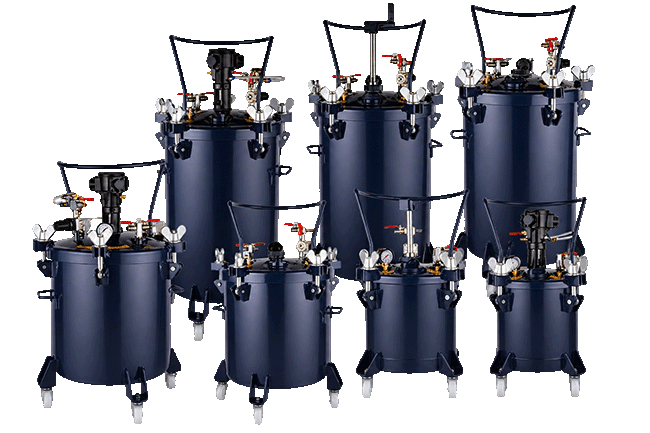
Custom Pressure Tanks: A Buyer’s Guide to Selection, Materials, and Applications
Custom pressure tanks are engineered vessels designed to store and dispense fluids—such as adhesives, sealants, solvents, or chemicals—under controlled pressure for industrial processes. Unlike standard off-the-shelf tanks, custom pressure tanks are built to specific volume, pressure rating, material, and connection requirements to integrate seamlessly into existing dispensing or spraying systems.
How to Specify a Custom Pressure Tank
When specifying a custom pressure tank, consider these key parameters:
- Volume: Determine the required capacity based on your production rate and refill frequency. Common sizes range from 1 liter to larger capacities, with 1L tanks often used for precision dispensing or small-batch applications.
- Pressure Rating: The maximum working pressure must exceed your system’s operating pressure. Design pressure and maximum working pressure are critical specifications; for example, some 1L tanks are rated at 0.8 MPa, while others may be rated at 0.3 MPa depending on construction.
- Material: 304 stainless steel is a common choice for its corrosion resistance and compatibility with many adhesives and chemicals. Ensure the material is suitable for your specific fluid.
- Temperature Range: Consider the operating temperature of your process. Tanks may be rated for ranges such as -20°C to 180°C.
- Connections and Features: Specify inlet/outlet ports, clamps, pistons, cylinders, or mixing mechanisms as needed. Customization may include electric mixing, level sensors, or special coatings.
- Certifications and Standards: Verify that the tank meets relevant industry standards for pressure vessels in your region. (Note: Always confirm specific certifications with the manufacturer.)
Typical Applications
Custom pressure tanks are used across industries where precise fluid delivery is essential:
- Adhesive and Sealant Dispensing: Pressure tanks supply glue, epoxy, silicone, and other adhesives to dispensing valves or robots.
- Automotive and Electronics Manufacturing: For applying thermal paste, potting compounds, or conformal coatings.
- Medical Device Assembly: Where small, accurate doses of adhesives are required.
- Industrial Spraying: For coatings, lubricants, or agricultural sprays (though farm spraying may require specific tank designs).
- Chemical Transfer: Safe handling of solvents or reactive materials under pressure.
Key Considerations and Best Practices
- Compatibility: Ensure the tank material and seals are compatible with the fluid to prevent corrosion or contamination.
- Safety: Never exceed the maximum working pressure. Regularly inspect tanks for wear, and use appropriate pressure relief devices.
- Maintenance: Choose tanks with easy-to-clean designs, especially for adhesives that may cure. Quick-release clamps and smooth interiors help.
- Integration: Consider how the tank will connect to your dispensing system—thread types, port sizes, and mounting options matter.
- Customization Lead Time: Custom tanks may require longer lead times than standard models; plan accordingly.
Frequently Asked Questions (FAQ)
1. What is the difference between a pressure tank and a pressure vessel?
In practice, the terms are often used interchangeably. A pressure vessel is a broader term for any container designed to hold fluids at pressures different from ambient. A pressure tank typically refers to a vessel used in fluid dispensing or storage systems, often with specific inlet/outlet configurations.
2. Can I use a custom pressure tank for both adhesives and solvents?
It depends on the materials of construction and seals. 304 stainless steel is resistant to many solvents, but some aggressive chemicals may require alternative materials. Always check compatibility with the tank manufacturer.
3. What is the typical lead time for a custom pressure tank?
Lead times vary based on complexity, material availability, and manufacturer workload. Simple customizations may take a few weeks, while complex designs can take longer. Consult your supplier for a specific timeline.
4. How do I choose between a 1L and a larger tank?
Consider your production volume and refill frequency. A 1L tank is suitable for low-volume, high-precision applications or where space is limited. Larger tanks reduce refill downtime but require more space and may need additional safety measures.
5. Are custom pressure tanks certified for use in hazardous environments?
Certifications depend on the manufacturer and region. Some tanks may be designed to meet specific standards (e.g., ASME, PED), but this must be verified with the supplier. Never assume certification without documentation.
6. Can I integrate a custom pressure tank with my existing dispensing robot?
Yes, many custom tanks are designed with standard connections to integrate with dispensing systems. Provide your robot’s interface specifications to the tank manufacturer for proper fit.
About DGYAKOO
DGYAKOO is a manufacturer of glue pressure tanks and adhesive dispensing pressure tanks, offering custom solutions such as the 1L 304 stainless steel pressure tank with clamps (max working pressure 0.3 MPa) and the 1L electric mixing pressure drum (max working pressure 0.8 MPa). These tanks are designed for industrial applications requiring precise fluid delivery. For more information, visit www.madetank.com.