

Paint Supply Pressure Pot | A Practical Buyer’s Guide for Stable Paint Delivery
What Is a Paint Supply Pressure Pot?
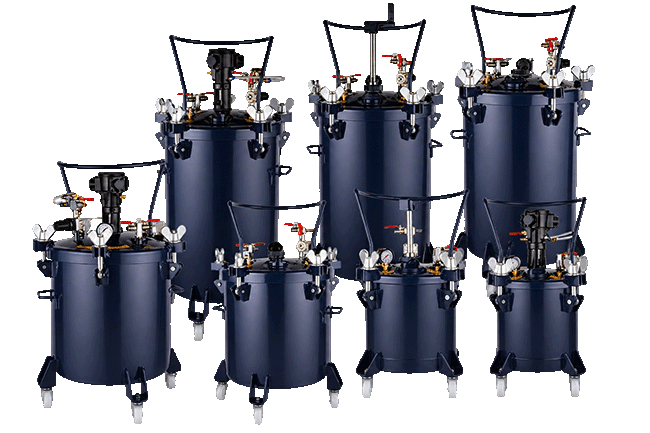
A paint supply pressure pot is a pressurized vessel that holds paint, coatings, primers, or other liquid materials and delivers them to a spray gun or dispensing system under controlled air pressure. Instead of carrying a small cup on the gun, the operator connects the gun to the tank with a fluid hose. Compressed air enters the tank, pushes down on the liquid, and forces it through the outlet, regulator, and hose to the spray device. This setup is also called a paint pressure tank, pressure pot for spray painting, or spray paint tank.
The main purpose is simple: keep material flowing at a steady rate so the operator can work continuously without frequent refills. For industrial coating, furniture finishing, automotive refinishing, and metal coating, this can improve consistency and reduce interruptions.
How to Choose a Paint Supply Pressure Pot
Selection depends on the material, the spray system, and the working environment. Buyers should consider the following points:
- Tank capacity: Larger tanks reduce refill frequency but add weight and require more space. Match capacity to the production volume and the available handling equipment.
- Material compatibility: The wetted parts must suit the paint or coating. Stainless steel is common for water-based and solvent-based materials, but the specific grade and seals should be confirmed with the supplier.
- Pressure range and regulation: The tank must provide the pressure needed for the spray gun and hose length. A regulator and gauge allow the operator to set and monitor working pressure. Safety valves are essential for over-pressurization protection.
- Agitation: Materials that settle, such as metallic coatings or filled adhesives, may require an agitator or mixing option to keep the mixture uniform.
- Lid and cleaning: A clamped or bolted lid allows fast refilling and cleaning. Fluid outlet placement should minimize dead zones.
- Integration: For automatic spraying, the tank should work with automatic spray guns, reciprocating machines, or robotic arms. Stable pressure across long hoses and multiple spray points is important.
These are general selection criteria. Exact specifications, certifications, and pressure ratings must be confirmed with the manufacturer for the specific model.
Typical Applications
Paint supply pressure pots are used in many industrial and workshop settings, including:
- Industrial coating lines
- Automotive painting and refinishing
- Furniture finishing
- Metal coating and surface treatment
- Adhesive and sealant dispensing
- Electronic manufacturing processes
In each case, the tank helps maintain a stable material supply, which supports consistent atomization and film thickness.
Key Benefits of a Pressure Pot System
- Improved productivity: Larger material volume means fewer refills and less downtime.
- Stable fluid delivery: Controlled pressure helps maintain a consistent flow rate, reducing uneven coating and spray pattern issues.
- Operator comfort: The gun is lighter without a heavy cup, which can reduce fatigue during long production runs.
- Flexibility: Suitable for manual and automatic spray systems, and can supply multiple spray points from one source.
Important Considerations Before Buying
- Safety: Pressure vessels must be used within their rated limits. Always follow the manufacturer’s instructions for operation, maintenance, and relief valve checks.
- Material compatibility: Confirm that the tank, seals, and hoses are compatible with the specific paint, solvent, or adhesive. Some materials may require special seals or stainless steel construction.
- Cleaning and maintenance: Regular cleaning prevents cross-contamination and keeps the system working correctly. Consider how easy the tank is to open, drain, and clean.
- Pressure and hose length: Long hoses can cause pressure drop. The tank and regulator must be able to maintain the required pressure at the gun.
- Support and parts: Check the availability of replacement parts and technical support from the supplier.
Frequently Asked Questions
What is the difference between a paint pressure pot and a spray paint tank?
They are often the same type of equipment. “Paint pressure pot,” “paint pressure tank,” and “spray paint tank” are common terms for a pressurized vessel that supplies paint to a spray gun. The exact name may vary by region or supplier.
Can a paint supply pressure pot be used with adhesives or other fluids?
Yes, pressure tanks can be used for adhesives, sealants, and other liquids, provided the tank materials and seals are compatible with the fluid. Some applications may require agitation or special outlet designs.
How do I choose the right tank capacity?
Consider the production volume, the frequency of refills you want to avoid, and the space available. Larger tanks reduce refills but are heavier and may require handling equipment. The right choice balances productivity with practical handling.
Do I need an agitator?
If the material tends to settle or separate, such as metallic paints or filled adhesives, an agitator or mixing option can help maintain uniformity. For simple coatings, it may not be necessary.
What safety features should I look for?
A pressure relief valve is essential. Other features may include a regulator and gauge, and a lid that seals properly. Always operate the tank within its rated pressure and follow the manufacturer’s safety instructions.
About DGYAKOO
DGYAKOO is a manufacturer of glue pressure tanks, adhesive and dispensing pressure tanks, and related fluid delivery equipment. The company offers stainless steel pressure tanks and customized material feeding solutions for industrial customers. For more information, visit https://www.madetank.com/.