

Microliter Dispensing Valve | Precision Fluid Dosing Solutions
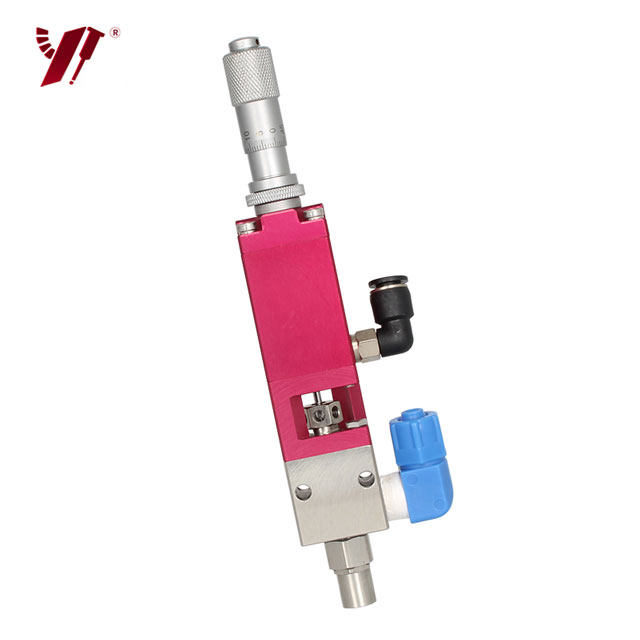
What Is a Microliter Dispensing Valve?
A microliter dispensing valve is a specialized fluid control device designed to deliver small quantities of liquid, typically measured in microliters (µL). It is used in applications where controlled fluid volume, accurate placement, and repeatable dispensing are essential.
One microliter equals one-millionth of a liter, or 0.001 milliliters. At this scale, small variations in pressure, fluid viscosity, temperature, and dispensing time can significantly affect the delivered volume.
Depending on its design, a microliter dispensing valve may handle compatible adhesives, chemical reagents, lubricants, calibration fluids, and other low-volume process materials. It can be integrated into precision manufacturing equipment, laboratory automation systems, and specialized fluid handling devices.
For manufacturers requiring controlled micro-volume delivery, selecting the right microliter dispensing valve helps establish a more consistent and manageable dispensing process.
How Does a Microliter Dispensing Valve Work?
A microliter dispensing valve controls fluid release through an internal mechanism that opens, closes, or meters the flow passage. Depending on the system, it may use pneumatic actuation, electric actuation, needle control, or a positive-displacement mechanism.
A typical system includes four main components:
1. Fluid Supply: A compatible reservoir, cartridge, syringe, or pump delivers material to the valve.
2. Dispensing Control: A controller determines when the valve operates and coordinates the dispensing sequence.
3. Micro-Volume Delivery: The valve releases fluid through a suitable outlet according to the system’s operating parameters.
4. Controlled Shutoff: The valve stops material delivery at the end of the dispensing cycle.
There are important differences between dispensing by pressure and time and dispensing through positive displacement. Pressure-time systems regulate output through fluid pressure and valve-open duration, while positive-displacement systems use a defined displacement mechanism to help control the delivered quantity.
A valve alone does not guarantee an exact microliter volume. Actual performance depends on the valve design, fluid properties, supply stability, nozzle geometry, and whether the complete system includes a suitable metering mechanism.
Key Benefits of Microliter Dispensing Valves
1. Controlled Micro-Volume Delivery
Microliter dispensing valves support applications that require small fluid quantities at specific locations. This is particularly useful when excessive material could contaminate adjacent components or affect process results.
2. Repeatable Dispensing Cycles
A properly configured system can help maintain consistent dispensing performance across repeated cycles. Stable fluid conditions and appropriate control settings are essential for achieving repeatability.
3. Reduced Material Consumption
Micro-volume dispensing helps limit unnecessary fluid application, especially when working with expensive chemicals, specialty adhesives, or other materials used in small quantities.
4. Integration with Automated Equipment
Microliter dispensing valves can be integrated into programmable dispensing systems, robotic workstations, laboratory automation equipment, and precision assembly machines.
5. Flexible Fluid Handling
Depending on the valve construction and wetted materials, different configurations can accommodate compatible liquids with varying viscosities and chemical properties.
Applications of Microliter Dispensing Valves
Microliter dispensing technology is used in applications where small fluid volumes must be delivered under controlled conditions.
- Electronics manufacturing: Applying small quantities of adhesives, protective compounds, and functional fluids to electronic components.
- Laboratory automation: Delivering compatible reagents and process liquids in automated analytical workflows.
- Medical device manufacturing: Applying specified fluids and adhesives in processes that meet applicable manufacturing requirements.
- Precision instrumentation: Dispensing calibration fluids, lubricants, or other compatible materials in small quantities.
- Chemical processing: Delivering controlled amounts of suitable liquid chemicals into defined process locations.
- Micro-assembly: Applying small fluid deposits to miniature components and precision bonding areas.
The appropriate valve depends on the fluid, target volume, required repeatability, application geometry, and operating environment.
How to Choose the Right Microliter Dispensing Valve
Selecting a microliter dispensing valve requires evaluating the complete fluid delivery process.
Target dispensing volume: Define the required volume per shot in microliters and the acceptable variation between cycles.
Metering method: Determine whether pressure-time dispensing is sufficient or whether a positive-displacement dosing mechanism is required.
Fluid viscosity: Confirm that the valve can handle the material’s flow characteristics under actual operating conditions.
Material compatibility: Check that the valve body, seals, needle, nozzle, and other wetted components are compatible with the fluid’s chemical properties.
Operating pressure: Verify the fluid supply pressure and any actuation pressure separately, following the manufacturer’s specifications.
Dispensing frequency: Consider the required cycle rate, response time, and stability during repeated operation.
Maintenance and calibration: Evaluate cleaning requirements, replacement parts, calibration procedures, and the risk of contamination or fluid buildup.
Before requesting a quotation, provide your supplier with the fluid type, viscosity, target volume per shot, required repeatability, operating conditions, and application details.
How to Improve Microliter Dispensing Accuracy
At microliter scale, small changes in operating conditions can affect the amount of fluid delivered.
Maintain stable fluid supply pressure and temperature, select an appropriate nozzle, and use a dispensing method suited to the material. For fluids whose viscosity changes with temperature, consistent thermal conditions can be particularly important.
Air bubbles, contaminated outlets, worn seals, and inconsistent material feeding may also affect dispensing performance. Follow the manufacturer’s recommended priming, cleaning, and maintenance procedures.
For demanding applications, test the system with the actual fluid and measure multiple dispensing cycles. Evaluate both average delivered volume and variation between shots rather than relying on a single successful dispense.
Why Choose a Professional Microliter Dispensing Valve Manufacturer?
A professional microliter dispensing valve manufacturer should provide clear specifications, material compatibility guidance, and technical support for low-volume fluid applications.
When comparing suppliers, review available dispensing mechanisms, supported volume ranges, repeatability data, wetted materials, customization options, and after-sales support.
For applications requiring tightly controlled microliter volumes, request documented test results under conditions similar to your intended process. Practical validation helps determine whether the valve and associated metering equipment meet your requirements.
The right solution should balance dispensing consistency, material efficiency, maintenance needs, and long-term operating costs.
Frequently Asked Questions
What is a microliter dispensing valve used for?
A microliter dispensing valve delivers small quantities of compatible liquids for precision manufacturing, laboratory automation, electronic assembly, and other controlled fluid handling applications.
How much liquid can a microliter dispensing valve deliver?
The supported volume range depends on the valve design and dispensing system. Confirm the minimum and maximum dispensing volumes for the specific model rather than assuming all microliter valves provide the same range.
Does a microliter dispensing valve guarantee accurate volume control?
No. Delivered volume depends on valve design, metering method, fluid properties, pressure stability, and operating conditions. Applications requiring precise volumes need appropriate measurement and validation.
What affects microliter dispensing repeatability?
Fluid viscosity, air bubbles, temperature, supply pressure, nozzle dimensions, valve condition, and control timing can all influence dispensing consistency.
What information is needed to select a microliter dispensing valve?
Provide the target volume per shot, fluid type, viscosity, required repeatability, dispensing frequency, operating conditions, and material compatibility requirements.
Find the Right Microliter Dispensing Valve for Your Application
Reliable micro-volume dosing requires the right combination of valve design, metering technology, fluid compatibility, and process control.
Whether you are developing automated laboratory equipment, manufacturing precision electronic components, or building a specialized fluid handling system, a suitable microliter dispensing valve can help improve control over small-volume fluid delivery.
Contact an experienced microliter dispensing valve supplier to discuss your target volume, fluid properties, and performance requirements, and identify the right solution for your application.
