

Liquid gasket dispensing valve | Technical Specifications and
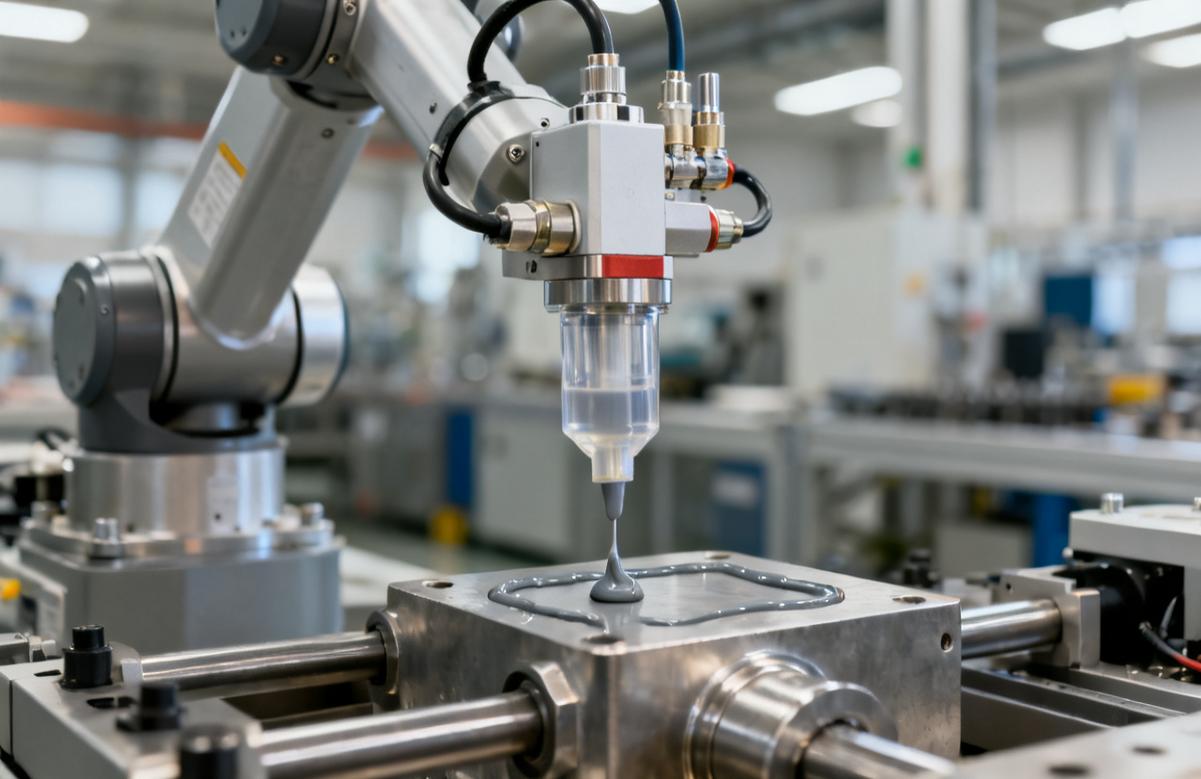
A liquid gasket dispensing valve is a precision fluid control component used to dispense liquid gasket materials—such as RTV silicones, anaerobic sealants, or formed-in-place gaskets—in controlled beads or dots. Selection depends on matching the valve’s wetted materials, dispensing principle, and actuation method to the fluid’s viscosity, cure behavior, and the required deposit geometry, while verifying all specifications in the manufacturer’s datasheet.
How a Liquid Gasket Dispensing Valve Works
Most liquid gasket valves fall into two broad categories: time-pressure valves and positive-displacement valves. Time-pressure valves apply a controlled air pulse to the fluid reservoir, pushing material through the valve for a set duration. They are simple and cost-effective but can be sensitive to viscosity changes. Positive-displacement valves, such as piston or auger types, meter a fixed volume of material per cycle, offering more consistent deposits for fluids with varying viscosity.
Regardless of type, the valve must handle the gasket material’s specific characteristics. Liquid gaskets are often filled, abrasive, or moisture-curing, which affects seal life, wetted materials, and cleaning requirements. The valve’s internal geometry should minimize dead zones that could trap curing material and cause clogging.
Key Selection Criteria
Fluid Characteristics
Viscosity, filler content, cure mechanism, and pot life are primary factors. High-viscosity or filled materials may require larger internal passages and robust seals. Moisture-curing silicones need a valve that prevents exposure to ambient moisture when idle. Always confirm the valve’s compatibility with the specific fluid from the manufacturer.
Dispensing Requirements
Deposit size, bead width, cycle rate, and repeatability targets determine the valve type and size. For small, precise dots, a positive-displacement valve with fine needle may be suitable. For continuous beads, a valve with a larger orifice and smooth flow path may be better. Consider the required accuracy and whether the application needs intermittent or continuous dispensing.
Actuation and Control
Valves can be pneumatically or electrically actuated. Pneumatic actuation is common in industrial settings for its speed and simplicity, but requires a consistent air supply. Electric actuation offers finer control and feedback, often at higher cost. The control method should integrate with the existing dispensing system or robot.
Materials and Compatibility
Wetted parts—typically stainless steel, aluminum, or engineered plastics—must resist corrosion from the gasket material. Seals should be compatible with the fluid’s chemistry. The valve body should withstand cleaning agents if frequent purging is required. Verify material compatibility with the gasket supplier and valve manufacturer.
Comparison of Valve Types
| Factor | Time-Pressure Valve | Positive-Displacement Valve |
|---|---|---|
| Deposit consistency | Affected by viscosity changes | More consistent for varying viscosity |
| Complexity | Simple, lower cost | More complex, higher cost |
| Best for | Low to medium viscosity, less critical deposits | High viscosity, precise deposits, filled materials |
| Cleaning | Generally easier | May require more thorough cleaning |
This table is a general guide; actual performance depends on the specific valve design and fluid.
Installation and Integration
Proper installation affects dispensing accuracy. Mount the valve securely to minimize vibration. Ensure the fluid supply is consistent in pressure and temperature. For moisture-curing materials, use a sealed reservoir and purge the valve after use. Follow the manufacturer’s instructions for tubing size and connection types. Consider whether the valve needs a snuff-back feature to prevent dripping between cycles.
Maintenance and Cleaning
Regular maintenance extends valve life and maintains deposit quality. Establish a cleaning schedule based on the material’s pot life and production intensity. Use compatible cleaning solvents that do not damage seals. Inspect seals and seats for wear. Keep spare parts on hand for critical components. Document maintenance activities to identify recurring issues.
When a Liquid Gasket Dispensing Valve May Be Unsuitable
A liquid gasket valve may not be the best choice for very high-viscosity materials that cannot be pumped effectively, or for applications requiring extremely large volumes per cycle. In some cases, a cartridge-based manual applicator or a different dispensing technology may be more appropriate. Also, if the material cures rapidly, valve dead zones can cause frequent clogging, requiring alternative designs.
Buyer Checklist: Information to Provide to a Supplier
- Fluid type, viscosity, filler content, and cure mechanism
- Required deposit size, shape, and cycle rate
- Supply method (pressure tank, pump, or cartridge)
- Available actuation (air pressure, electrical signal)
- Environmental conditions (temperature, humidity)
- Cleaning and maintenance capabilities
- Any regulatory or compatibility requirements
Providing this information helps suppliers recommend a suitable valve and avoid misapplication.
Supplier Evaluation Criteria
When evaluating suppliers, look for documented specifications, material certificates, and evidence of experience with similar fluids. Ask for datasheets and ask specific questions about compatibility. A supplier that provides clear technical information and asks about your process is more likely to offer a suitable solution. Avoid suppliers that make unverifiable performance claims.
Frequently Asked Questions
What is the difference between a time-pressure and a positive-displacement liquid gasket dispensing valve?
A time-pressure valve uses a timed air pulse to dispense material, which is simple but sensitive to viscosity changes. A positive-displacement valve meters a fixed volume per cycle, providing more consistent deposits for fluids with varying viscosity or filled materials.
Which materials are commonly used for wetted parts in liquid gasket valves?
Common wetted materials include stainless steel, aluminum, and engineered plastics. The choice depends on the gasket material’s chemistry and cleaning agents. Always verify compatibility with the fluid and valve manufacturer.
How often should a liquid gasket dispensing valve be cleaned?
Cleaning frequency depends on the material’s pot life and production schedule. As a general guide, clean the valve at the end of each shift or before extended idle periods, and follow the manufacturer’s recommendations for purging and solvent use.
Can a liquid gasket dispensing valve handle abrasive fillers?
Some valves are designed with wear-resistant seals and passages for filled materials, but not all are suitable. Check the valve’s specifications and consult the manufacturer for abrasive fluid compatibility.
What information should I provide to a supplier when selecting a valve?
Provide fluid type, viscosity, filler content, required deposit size and cycle rate, supply method, actuation available, and environmental conditions. This helps the supplier recommend a suitable valve.
