

Industrial pressure pots | and Tanks | A Buyer’s Guide to Selection
Industrial pressure pots and tanks are vessels that hold fluids—such as adhesives, sealants, paints, or coatings—and use regulated gas pressure to deliver the material to a dispensing point. They are not pumps or metering devices; instead, they provide a pressurized reservoir that feeds downstream equipment like dispensing valves or spray guns. This guide helps buyers, engineers, and integrators understand the key factors in selecting a pressure pot or tank and integrating it into a fluid supply system.
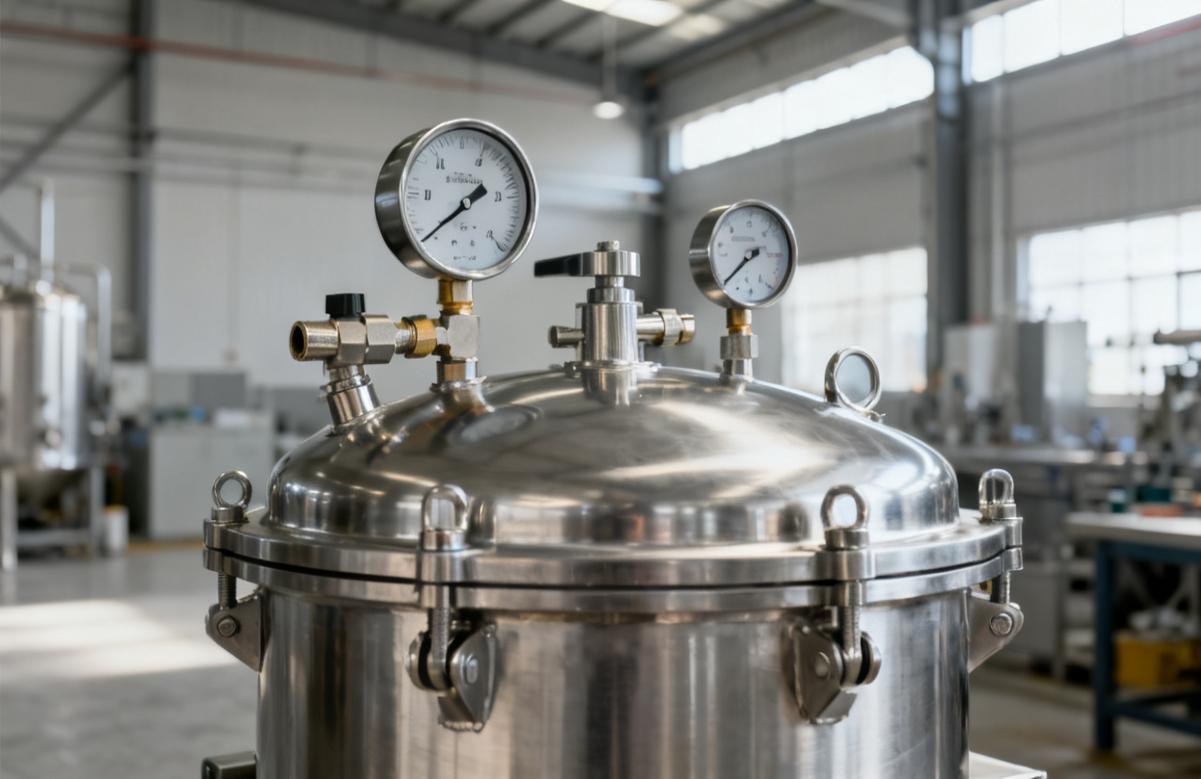
Pressure Pot vs. Pressure Tank: What’s the Difference?
The terms are often used interchangeably, but in practice, a pressure pot typically refers to a smaller, portable vessel used for dispensing operations, while a pressure tank may be larger and serve as a central supply reservoir. Both are pressure-containing vessels and must be selected and operated according to their nameplate, manufacturer documentation, and applicable local requirements, with qualified engineering review.
Key Selection Criteria
Fluid Characteristics and Material Compatibility
The wetted materials of the tank—such as stainless steel, carbon steel, or coatings—must be compatible with the fluid being dispensed. Consider viscosity, corrosiveness, solvent content, and whether the material can cure or settle. For adhesives or sealants, stainless steel is often preferred for cleanability, but the specific grade must be confirmed with the manufacturer and datasheet for the intended application.
Pressure Requirements
Operating pressure is determined by the dispensing process, fluid viscosity, and downstream equipment. The tank’s maximum allowable working pressure (MAWP) must exceed the highest expected operating pressure, but never rely on a generic rating—always verify the nameplate and manufacturer documentation for the specific model. Pressure regulators, relief valves, and gauges are critical for safe operation.
Capacity and Refill Frequency
Tank capacity affects how often the system must be refilled and how stable the supply pressure remains during dispensing. Larger tanks reduce refill interruptions but may be harder to handle or clean. Capacity varies by model and application; buyers should determine the required volume based on fluid consumption rate and acceptable downtime.
Ports, Fittings, and Agitation
Consider the number and size of ports for fluid inlet/outlet, pressure supply, venting, and level sensing. Some applications require agitation to keep pigments or fillers suspended; if so, the tank must be equipped with a suitable mixer and the pressure boundary must account for it. All fittings and modifications must be reviewed for pressure integrity.
Cleaning and Maintenance
Quick-access lids, smooth internal surfaces, and drain ports simplify cleaning between material changes. For multi-material use, ensure the tank can be adequately cleaned without damaging seals or coatings. Maintenance schedules should follow manufacturer recommendations.
Integration with Dispensing Valves
Pressure pots do not control flow—that is the role of the dispensing valve. The valve’s operating principle (e.g., diaphragm, needle, or spool) and its pressure and flow characteristics must match the tank’s output. A pressure regulator between the tank and valve helps maintain consistent dispensing. When selecting a valve, consider fluid viscosity, required shot size, cycle rate, and compatibility with the tank’s pressure range. Always verify that the valve is rated for the application and has appropriate certifications if required.
Typical Use Cases and Limitations
Pressure pots are commonly used in adhesive dispensing, paint supply, sealant application, and coating processes where a steady, pressurized fluid supply is needed. They are less suitable for fluids that are highly abrasive, fast-curing, or require precise metering—in such cases, alternative systems like piston pumps or metering valves may be better. Also, pressure pots are not intended for storing hazardous materials without proper venting and safety controls.
Buyer Checklist
- Confirm the fluid to be dispensed and its compatibility with wetted materials.
- Determine the required operating pressure and verify the tank’s MAWP from the nameplate and datasheet.
- Calculate the required capacity based on consumption and refill logistics.
- Check port sizes and types for integration with existing piping and valves.
- Review cleaning and maintenance requirements.
- Ensure all pressure-containing components have appropriate documentation and are installed per local codes.
- Provide the manufacturer with full application details to obtain a suitable quotation.
Quotation Factors
Pricing for industrial pressure pots and tanks depends on size, pressure rating, material of construction, port configuration, agitation, and any custom modifications. Lead times vary with customization and order quantity. Buyers should provide complete specifications to suppliers to receive accurate quotes and avoid assumptions about compliance or performance.
Supplier Evaluation
When selecting a supplier, look for evidence of quality management, traceable material certifications, and the ability to provide detailed datasheets and drawings. Ask about after-sales support and spare parts availability. Do not rely on unverified claims; instead, request documentation for the specific model you are considering.
Frequently Asked Questions
What is the main difference between a pressure pot and a pressure tank?
A pressure pot is typically a smaller, portable vessel for dispensing, while a pressure tank often refers to a larger reservoir. Both are pressure-containing vessels and must be selected based on the specific application and manufacturer documentation.
Can I use a pressure pot for any fluid?
No. The tank materials must be compatible with the fluid’s chemical and physical properties. Highly corrosive, abrasive, or fast-curing fluids may require special materials or alternative equipment. Always confirm compatibility with the manufacturer.
How do I determine the right pressure rating?
The required pressure depends on your dispensing process and fluid viscosity. The tank’s maximum allowable working pressure must exceed your highest operating pressure, but you must verify the rating from the nameplate and datasheet—never assume a generic value.
Do pressure pots include a dispensing valve?
Usually not. Pressure pots provide a pressurized fluid supply; the dispensing valve controls flow. They are separate components and must be selected together to ensure compatibility.
What information should I provide to a supplier for a quote?
Provide the fluid type, required operating pressure, capacity, port sizes, material compatibility needs, and any special requirements like agitation or cleaning access. This helps the supplier recommend a suitable model and provide an accurate quotation.
Company Information and Technical Inquiries
Company: Hejikang (Guangdong) Metal Surface Treatment Co., Ltd.
Address: No. 3, Liuhua Industrial Road, Dongcheng Subdistrict, Dongguan, Guangdong, China
Phone: +8613253611781
Email: 847317465@qq.com
