

Spray Paint Pressure Pot | What It Is, How to Choose, and Where It Fits
Spray Paint Pressure Pot: What It Is, How to Choose, and Where It Fits
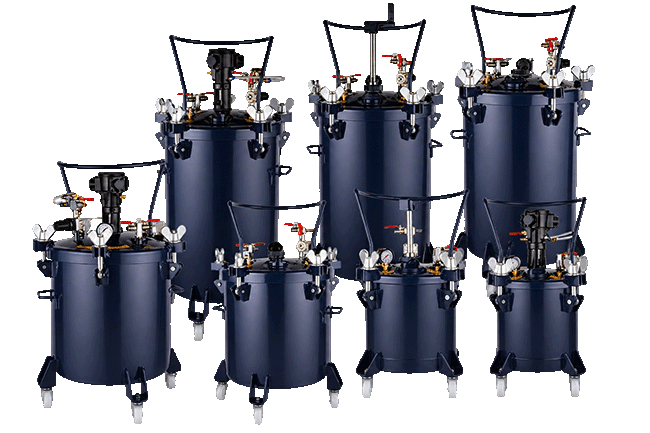
A spray paint pressure pot is a sealed pressure vessel that holds paint or coating material and uses regulated compressed air to push that material through a fluid hose to a spray gun or automatic applicator. Instead of relying on a pump or a small gravity cup, the pot delivers a continuous, pulsation-free flow of material. It is commonly used in wood finishing, metal coating, furniture manufacturing, automotive refinishing, and general industrial painting where consistent film thickness and longer spraying time matter.
What a Spray Paint Pressure Pot Does
The working principle is straightforward. Compressed air enters the tank and creates pressure above the liquid surface. That pressure forces the coating upward through a dip tube and out through a fluid outlet to the spray gun or dispensing valve. The operator adjusts the incoming air pressure to control material delivery rate and atomization quality.
A typical paint pressure tank may include:
- Pressure regulator
- Pressure gauge
- Safety valve
- Air inlet
- Fluid outlet
- Stainless steel tank body
- Manual or pneumatic agitator
- Fluid hose connections
- Sealed tank lid
Because the coating stays inside a sealed tank, contamination is minimized, evaporation is reduced, and the working environment is cleaner than with open pressure cups. This makes the unit suitable for both manual spraying and automated coating lines.
Why Use a Pressure Pot Instead of a Gravity Cup
Compared with small gravity-feed paint cups, a pressure tank can store a larger volume of material and deliver it continuously. This matters when you need:
- Consistent paint flow: Stable pressure helps maintain an even material flow to the spray gun, which supports consistent coating thickness and smooth surface finish.
- Less frequent refilling: A larger tank capacity reduces refill cycles, saving labor and minimizing production interruptions.
- Longer spraying time: Suitable for applications that require extended spraying without stopping to refill.
- Higher production efficiency: Continuous delivery supports higher throughput in manual and automated operations.
Key Selection Criteria for B2B Buyers
When evaluating a spray paint pressure pot for sale, industrial buyers should consider the following factors. The correct configuration depends on the coating material, operating pressure, tank capacity, and production requirements.
1. Material Compatibility and Tank Construction
Stainless steel is one of the most popular materials for industrial pressure tanks because it offers durability, corrosion resistance, and a clean appearance. Common grades include SUS304 and SUS316. SUS304 is commonly used for many industrial applications, while SUS316 may be preferred when stronger corrosion resistance is required. The correct material should be selected according to:
- Fluid composition
- Chemical compatibility
- Operating pressure
- Working temperature
- Cleaning requirements
- Production environment
2. Tank Capacity and Refill Frequency
Capacity affects how often the operator must stop to refill. Larger tanks reduce interruptions but take up more space and require more material to fill. Choose a capacity that balances production run time with material usage and available workspace.
3. Pressure Rating and Regulation
The tank must be rated for the operating pressure required by your coating material and spray gun. A pressure regulator with gauge allows precise adjustment of material delivery rate. A safety valve is a standard safety feature and should be present on any pressure vessel.
4. Agitation Requirements
Materials that tend to settle or separate may require a manual or pneumatic agitator. If your coating needs constant mixing to maintain consistency, select a tank with an agitator or stirring mechanism.
5. Lid Type and Access
Quick-opening or bolted lids affect how quickly the tank can be cleaned and refilled. Consider your cleaning and changeover procedures when selecting a lid design.
6. Manual vs. Automated Operation
Pressure pots can supply material to manual spray guns or to automatic spray stations and dispensing valves. The choice depends on your production setup and whether you need integration with automated lines.
Typical Applications
Spray paint pressure pots are used in a range of industrial fluid handling systems. Common applications include:
- Wood finishing
- Metal coating
- Furniture manufacturing
- Automotive refinishing
- General industrial painting
- Adhesive dispensing
- Coating and chemical processing
- Electronics manufacturing
- Food processing and laboratory systems
- Automated production lines
They are also used to deliver paints, lacquers, varnishes, primers, adhesives, and other low-to-medium viscosity coating materials under regulated pressure.
Important Notes Before Buying
- Verify pressure ratings and safety features. Ensure the tank is suitable for your operating pressure and includes a safety valve.
- Confirm material compatibility. Check that the tank body, seals, and internal components are compatible with your coating material.
- Consider cleaning and maintenance. Design choices such as lid type and internal finish affect how easily the tank can be cleaned between material changes.
- Match the tank to the spray gun or applicator. Delivery rate and pressure requirements should align with your downstream equipment.
- Ask about customization. Some manufacturers provide OEM and custom fabrication services for special production requirements.
About DGYAKOO
DGYAKOO is a manufacturer of glue pressure tanks, adhesive and dispensing pressure tanks, and related industrial pressure vessels. The company’s product range includes stainless steel pressure tanks, adhesive dispensing pressure tanks, paint pressure tanks, pneumatic pressure tanks, mixing pressure vessels, small pressure vessels, industrial dispensing tanks, custom pressure tanks, sanitary stainless steel tanks, and fluid transfer tanks. DGYAKOO serves applications in adhesive dispensing, paint spraying, coating, chemical processing, electronics manufacturing, food processing, laboratory systems, and automated production lines. For more information, visit https://www.madetank.com/.
FAQ
What is a spray paint pressure pot used for?
A spray paint pressure pot is used to hold paint or coating material under controlled pressure and deliver it continuously to a spray gun or automatic applicator. It is common in wood finishing, metal coating, furniture manufacturing, automotive refinishing, and general industrial painting.
How does a pressure pot differ from a gravity-feed cup?
A pressure pot stores a larger volume of material and delivers it continuously using compressed air, while a gravity-feed cup relies on gravity and must be refilled frequently. Pressure pots are better suited for longer spraying time and consistent flow.
What materials can be used in a spray paint pressure pot?
Pressure pots can handle paints, lacquers, varnishes, primers, adhesives, and other low-to-medium viscosity coating materials. Material compatibility should be checked against the tank construction and seals.
Do I need an agitator in my pressure pot?
If your coating material tends to settle or separate, an agitator or stirring mechanism may be needed to maintain consistency. Materials that stay mixed may not require agitation.
What stainless steel grade should I choose?
SUS304 is commonly used for many industrial applications, while SUS316 may be preferred when stronger corrosion resistance is required. The choice depends on fluid composition, chemical compatibility, operating pressure, working temperature, cleaning requirements, and production environment.
Can pressure pots be used in automated coating lines?
Yes. Pressure pots can supply material to manual spray guns or to automatic spray stations and dispensing valves, making them suitable for both manual and automated operations.
What safety features should a pressure pot have?
A pressure pot should include a safety valve and be rated for the intended operating pressure. A pressure regulator with gauge helps control delivery rate and maintain safe operation.
Can I get a custom pressure tank for my application?
Some manufacturers, including DGYAKOO, provide OEM and custom fabrication services for special production requirements. Contact the manufacturer with your material, pressure, capacity, and integration needs.
