

Silicone Dispensing Tank | Reliable Material Feeding for Industrial Silicone Dispensing Systems
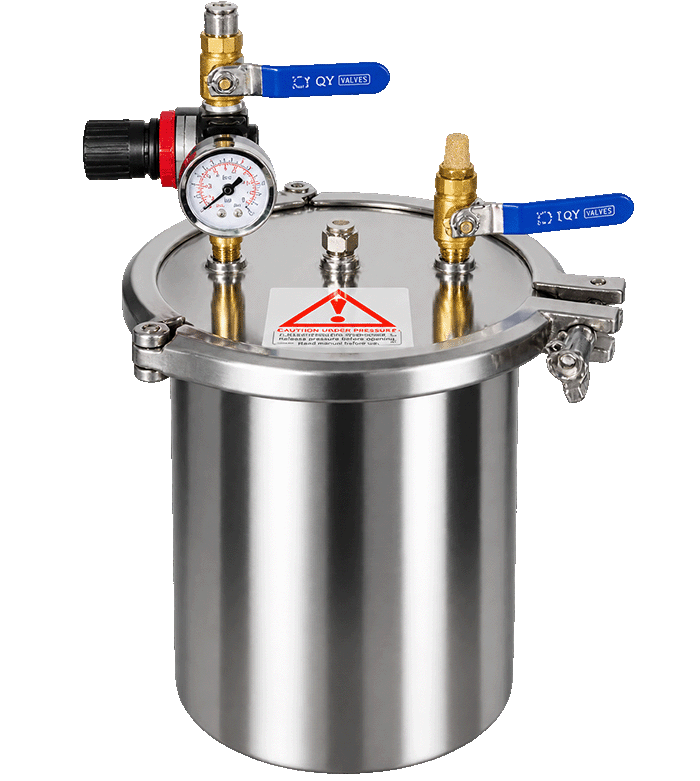
Silicone is widely used in electronics, automotive components, LED lighting, batteries, household appliances, construction components, and many other manufacturing processes. Because silicone materials can vary greatly in viscosity and curing behavior, stable material feeding is an important part of any dispensing system. A Silicone Dispensing Tank is designed to store and continuously supply silicone to dispensing valves, metering systems, coating equipment, and automated production lines.
By providing a controlled and enclosed material supply, a silicone dispensing tank can help reduce refill frequency, improve dispensing consistency, and support continuous production.
What Is a Silicone Dispensing Tank?
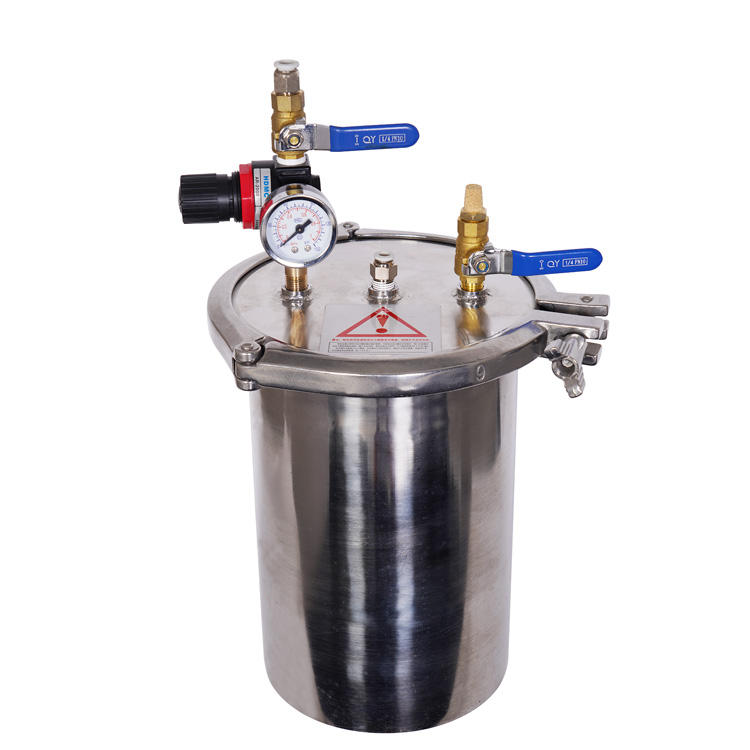
A Silicone Dispensing Tank is a sealed container used to store and feed silicone material to downstream dispensing equipment. In many systems, compressed air is applied to the tank to create controlled pressure, which pushes the silicone through the fluid outlet and into the dispensing hose.
Depending on the application, the tank can be connected to:
- Manual dispensing guns
- Automatic dispensing valves
- Metering systems
- Robotic dispensing equipment
- Potting machines
- Sealing equipment
- Coating systems
A typical silicone dispensing tank may include a stainless steel tank body, pressure regulator, pressure gauge, safety relief valve, air inlet, silicone outlet, sealing components, and optional agitation equipment.
Why Use a Silicone Dispensing Tank?
Silicone dispensing requires stable material flow. If the material supply is inconsistent, the dispensing result may also become unstable.
A properly selected Silicone Pressure Tank helps maintain a continuous supply of material and can reduce fluctuations in feeding pressure.
This can provide several advantages:
- More consistent silicone flow
- Reduced refill frequency
- Better support for automated dispensing
- Cleaner material storage
- Improved production continuity
- Easier pressure adjustment
- Flexible integration with dispensing equipment
For high-volume manufacturing, a larger silicone supply tank can also reduce downtime caused by frequent material replacement.
Stainless Steel Silicone Dispensing Tank
Stainless steel is commonly used for industrial silicone tanks because it provides good strength, durability, and corrosion resistance.
A 304 Stainless Steel Silicone Dispensing Tank is suitable for many silicone dispensing applications when material compatibility has been confirmed.
The smooth internal surface of stainless steel also makes cleaning and maintenance easier, especially when switching between different materials.
Depending on the process, the tank may be used for:
- One-component silicone
- RTV silicone
- Silicone sealant
- Silicone adhesive
- Potting silicone
- Thermal conductive silicone
- Encapsulation materials
- Industrial sealing compounds
Because silicone formulations differ, the seals, hoses, fittings, and other components should also be selected according to the material being processed.
Common Applications
Silicone dispensing tanks can be used in a wide range of industries.
Electronics Manufacturing
Silicone is often used for potting, sealing, insulation, moisture protection, and component bonding. A stable supply tank can support continuous dispensing in automated electronics production.
Automotive Components
Silicone materials may be used for automotive lighting, sensors, control modules, sealing parts, and electronic assemblies.
LED and Lighting Industry
Silicone dispensing tanks can provide continuous material supply for LED encapsulation, sealing, and thermal management applications.
Battery Production
In battery manufacturing, silicone may be used for sealing, insulation, bonding, and thermal management processes.
Household Appliances
Silicone dispensing is also common in appliance assembly where sealing and bonding are required.
Choosing the Right Silicone Dispensing Tank Capacity
Silicone dispensing tanks are available in different capacities to suit different production requirements.
Common sizes include:
2L, 4L, 5L, 10L, 15L, 20L, 30L, 40L, and 50L.
A small 5L Silicone Dispensing Tank is suitable for low-consumption applications, laboratory equipment, compact dispensing machines, or production lines where materials are changed frequently.
Larger tanks are better suited for continuous production and higher material consumption.
When selecting capacity, consider:
- Daily silicone consumption
- Material viscosity
- Production speed
- Refill frequency
- Silicone working life
- Available installation space
- Cleaning requirements
The correct tank size should balance production efficiency with material handling convenience.
Working Pressure and Silicone Viscosity
Silicone can range from relatively fluid materials to highly viscous compounds. This means the required feeding pressure may vary significantly.
Low-viscosity silicone may require only moderate air pressure, while higher-viscosity material may need larger outlets, shorter hoses, larger hose diameters, or alternative feeding methods.
When choosing a Silicone Pressure Tank, it is important to evaluate:
- Silicone viscosity
- Hose length
- Hose diameter
- Fluid outlet size
- Required flow rate
- Dispensing valve type
- Production speed
The tank should always be operated within its rated working pressure.
Silicone Dispensing Tank with Agitator
Some silicone materials may contain fillers or additives that can settle during storage.
For these applications, a Silicone Dispensing Tank with Agitator may help maintain more uniform material consistency.
Possible configurations include:
- Pneumatic agitator
- Electric agitator
- Adjustable mixing speed
- Customized mixing shaft
- Customized mixing blade
Agitation is especially useful for filled silicone compounds and other materials that require continuous mixing.
If the silicone remains homogeneous during storage, a standard tank without an agitator may be sufficient.
Customized Silicone Dispensing Tank Solutions
Different dispensing machines may require different tank dimensions and connections. For this reason, customization is often important.
A professional Silicone Dispensing Tank Manufacturer can customize:
- Tank capacity
- Tank height and diameter
- Inlet and outlet size
- Connection threads
- Number of outlets
- Pressure regulator
- Pressure gauge
- Safety valve
- Agitator configuration
- Mounting brackets
- Custom lid structure
- OEM branding
Before ordering, customers should provide information about the silicone type, viscosity, required capacity, working pressure, connection specifications, and dispensing equipment.
Why Choose Yakoo Silicone Dispensing Tanks?
Yakoo provides stainless steel pressure tanks and fluid dispensing solutions for industrial applications.
Our Silicone Dispensing Tanks can be configured for manual, semi-automatic, and fully automatic production systems. Different tank capacities, outlet connections, pressure components, and agitation options are available according to customer requirements.
Yakoo also supports OEM and customized tank manufacturing for equipment manufacturers that require specific dimensions, connections, or installation structures.
Conclusion
A reliable Silicone Dispensing Tank is an important part of a stable silicone feeding system. It helps provide continuous material supply, reduce refill frequency, support consistent dispensing, and improve production efficiency.
When choosing a tank, buyers should consider silicone viscosity, capacity, working pressure, outlet size, material compatibility, and whether agitation is required.
Whether you need a Stainless Steel Silicone Dispensing Tank, Silicone Pressure Tank, or customized silicone supply solution, Yakoo can provide flexible configurations for different industrial dispensing applications.