

Stainless Steel Pressure Vessel | A Reliable Solution for Modern Industrial Processing
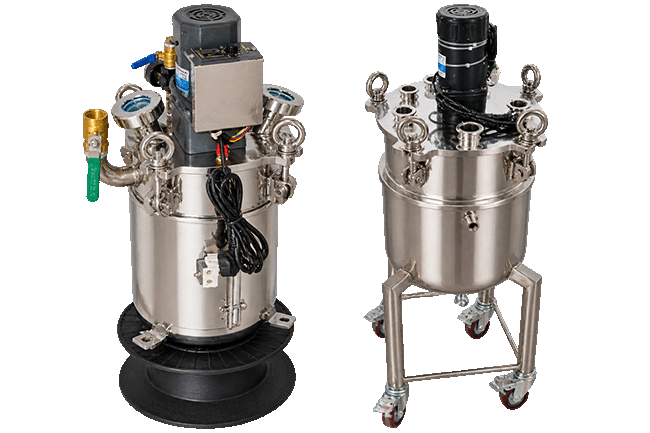
In industries where liquids, gases, or chemical materials need to be stored and processed under pressure, equipment reliability is essential. A stainless steel pressure vessel provides a safe, durable, and hygienic solution for demanding industrial applications.
Thanks to its excellent corrosion resistance, mechanical strength, and easy-to-clean surface, stainless steel has become one of the most widely used materials for pressure vessels in chemical processing, food and beverage production, pharmaceuticals, water treatment, energy, and many other industries.
For companies looking for long-term equipment performance and lower maintenance costs, choosing the right stainless steel pressure vessel can make a significant difference.
What Is a Stainless Steel Pressure Vessel?
A stainless steel pressure vessel is a closed container designed to hold gases or liquids at a pressure different from the surrounding environment.
Unlike ordinary storage tanks, pressure vessels must withstand internal or external pressure while maintaining structural stability. Depending on the application, they may also need to operate under high temperatures, vacuum conditions, corrosive environments, or strict hygiene requirements.
Common stainless steel grades used for pressure vessel manufacturing include 304, 304L, 316, and 316L stainless steel.
Among them, 316 and 316L stainless steel are often selected for applications involving chemicals, saltwater, pharmaceuticals, or food processing because of their enhanced corrosion resistance.
Why Choose Stainless Steel for Pressure Vessels?
Excellent Corrosion Resistance
Corrosion can shorten equipment life and contaminate stored materials. Stainless steel naturally forms a protective oxide layer on its surface, helping resist rust, oxidation, and many corrosive substances.
This makes a stainless steel pressure tank particularly suitable for industries where equipment may come into contact with water, chemicals, acids, cleaning agents, or humid environments.
High Mechanical Strength
Pressure vessels must maintain their integrity under demanding operating conditions.
Stainless steel combines high strength with good toughness, allowing properly engineered vessels to handle elevated pressures and temperatures while maintaining reliable performance.
The actual pressure rating depends on factors such as vessel dimensions, wall thickness, material grade, welding quality, and design standards.
Hygienic and Easy to Clean
For food, beverage, pharmaceutical, cosmetic, and biotechnology applications, cleanliness is often just as important as mechanical strength.
The smooth surface of stainless steel helps reduce the accumulation of contaminants and makes cleaning easier. Depending on the application, vessels can also be designed with polished internal surfaces and sanitary connections.
Features such as CIP cleaning systems, sanitary fittings, agitators, spray balls, and polished surfaces can be integrated into customized equipment.
Long Service Life
Although stainless steel equipment may have a higher initial cost than some alternative materials, its durability can offer better long-term value.
A properly designed and maintained stainless steel pressure vessel can provide years of reliable service while reducing replacement frequency and maintenance requirements.
Common Applications of Stainless Steel Pressure Vessels
Because they can be customized for different pressure, temperature, and process requirements, stainless steel pressure vessels are used across a wide range of industries.
Typical applications include:
- Chemical storage and processing
- Pharmaceutical production
- Food and beverage processing
- Dairy production
- Fermentation systems
- Water treatment equipment
- Compressed air systems
- Oil and gas processing
- Heat exchange systems
- Vacuum processing
- Mixing and reaction systems
- Industrial filtration systems
For more complex production processes, a pressure vessel can also be equipped with heating or cooling jackets, internal coils, mixers, level indicators, pressure gauges, valves, sensors, and automated control systems.
Custom Stainless Steel Pressure Vessels for Different Projects
Industrial projects rarely have exactly the same operating requirements.
For this reason, many buyers prefer a custom stainless steel pressure vessel rather than a standard tank.
Customization may include:
Material selection:
304, 304L, 316, 316L, or other stainless steel grades can be selected according to the process medium and operating environment.
Capacity:
Vessels can be manufactured in different volumes according to production capacity and available installation space.
Operating pressure:
The vessel structure can be engineered according to the required working and design pressure.
Heating and cooling:
Jackets or coils can be added when the process requires temperature control.
Agitation system:
Different agitator designs can be selected according to viscosity, mixing speed, and process requirements.
Surface treatment:
Internal and external surfaces can be polished or treated according to industrial and sanitary requirements.
Connections and accessories:
Nozzles, flanges, valves, manways, instruments, and piping interfaces can be configured based on the customer’s process layout.
A reliable pressure vessel manufacturer should review these technical details carefully before production rather than simply manufacturing according to tank dimensions.
What Should Buyers Consider Before Ordering?
Before purchasing a stainless steel pressure vessel, providing complete technical information can help manufacturers recommend a safer and more suitable solution.
Important information normally includes:
- Required vessel capacity
- Working pressure
- Design pressure
- Operating temperature
- Process medium
- Stainless steel grade
- Vertical or horizontal installation
- Heating or cooling requirements
- Agitation requirements
- Surface finish requirements
- Connection sizes and positions
- Applicable design standards
- Installation environment
If drawings are available, they can also help engineers evaluate dimensions, interfaces, supports, and installation conditions more accurately.
Quality Manufacturing Matters
A pressure vessel is more than a fabricated stainless steel tank. Its performance depends heavily on engineering calculations, material quality, forming accuracy, welding, inspection, and testing.
During manufacturing, professional suppliers typically pay particular attention to weld quality, dimensional accuracy, surface treatment, pressure testing, and final inspection.
For international projects, the vessel may also need to comply with specific codes, standards, certifications, or documentation requirements depending on the destination country and application.
Therefore, buyers should evaluate not only price but also the manufacturer’s engineering capability, production experience, quality control system, and customization capability.
Finding the Right Stainless Steel Pressure Vessel Manufacturer
Choosing the right equipment partner can improve both project efficiency and long-term operating reliability.
An experienced stainless steel pressure vessel manufacturer should be able to understand your process requirements, recommend appropriate materials, optimize the equipment structure, and provide customized manufacturing according to drawings or technical specifications.
Whether you need a stainless steel storage vessel, mixing tank, reactor vessel, vacuum vessel, or customized pressure system, the most suitable solution should always be based on the actual working conditions.
If you are planning a new industrial project, upgrading an existing production line, or sourcing customized stainless steel equipment, providing detailed operating parameters to your supplier is the first step toward obtaining an efficient, safe, and cost-effective pressure vessel solution.