

Adhesive Dispensing Pressure Tank | A Reliable Solution for Stable and Precise Fluid Dispensing
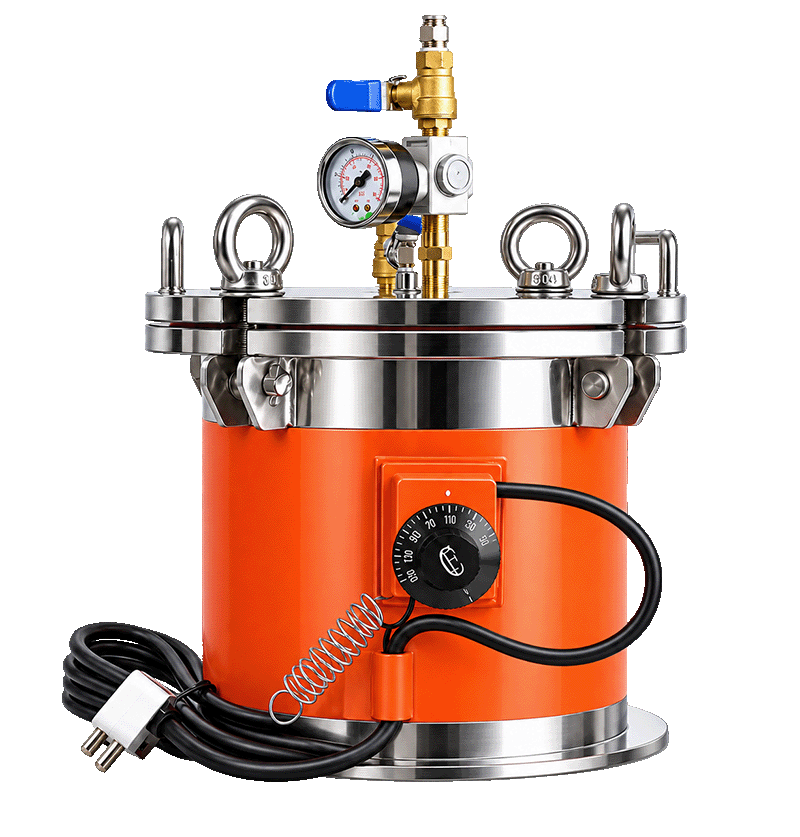
In many industrial production processes, stable adhesive supply is essential for maintaining dispensing accuracy, production efficiency, and product consistency. An adhesive dispensing pressure tank is designed to provide a controlled and continuous supply of adhesives, glue, resin, coatings, and other fluids to dispensing equipment.
Compared with manual feeding methods, a pressure tank can help manufacturers achieve more consistent material flow while reducing frequent refilling and unnecessary production interruptions. For industries that require reliable adhesive application, choosing the right adhesive dispensing pressure tank can significantly improve the overall dispensing process.
What Is an Adhesive Dispensing Pressure Tank?
An adhesive dispensing pressure tank is a sealed container used to store and deliver liquid materials under controlled air pressure. Compressed air is introduced into the tank, creating pressure that pushes the adhesive through a hose to a dispensing valve, spray gun, or other application equipment.
Depending on the production requirement, the tank can be used with different materials, including:
- Industrial adhesives
- Glue
- Epoxy resin
- Silicone
- Sealants
- Coatings
- Lubricants
- Ink
- Low- and medium-viscosity fluids
Because the pressure can be adjusted according to the viscosity and dispensing requirement, a glue pressure tank is widely used in automated and semi-automated production lines.
Why Use a Pressure Tank for Adhesive Dispensing?
One of the biggest advantages of a pressure dispensing system is stable material delivery.
When adhesive is supplied directly from a pressure tank, the dispensing equipment can receive a continuous flow of material. This helps reduce fluctuations caused by manual feeding or inconsistent material supply.
A suitable adhesive dispensing pressure tank can provide several benefits.
1. Stable Adhesive Supply
Controlled air pressure helps maintain a steady flow of adhesive during dispensing. This is especially important for applications where the amount of glue must remain consistent from one product to another.
2. Improved Dispensing Accuracy
A stable material supply supports more precise control at the dispensing valve. This can help manufacturers improve dot, line, coating, and bonding consistency.
3. Reduced Production Downtime
Larger-capacity pressure tanks can store enough material for longer production cycles, reducing the frequency of refilling.
For automated production lines, fewer interruptions can contribute to higher production efficiency.
4. Suitable for Different Production Applications
Industrial pressure tanks are available in different capacities, materials, and configurations. Manufacturers can select a tank according to adhesive viscosity, production speed, working pressure, and dispensing requirements.
Stainless Steel Adhesive Pressure Tanks
For many industrial applications, stainless steel adhesive pressure tanks are a popular choice because they offer good durability and corrosion resistance.
Stainless steel tanks can be suitable for applications involving adhesives, coatings, chemicals, and other industrial liquids. They are also relatively easy to clean, making them useful for production environments where materials need to be replaced regularly.
When selecting a stainless steel dispensing tank, buyers should consider factors such as:
- Tank capacity
- Working pressure
- Tank material
- Adhesive viscosity
- Outlet size
- Air inlet connection
- Safety valve configuration
- Pressure regulator
- Mixing requirements
- Compatibility with dispensing equipment
The correct configuration depends on the actual production process.
Pressure Tanks for Different Adhesive Viscosities
Adhesives vary greatly in viscosity.
Low-viscosity liquids usually flow easily and may require relatively low pressure. Medium-viscosity adhesives may require higher pressure or a different feeding configuration to achieve stable dispensing.
For materials that tend to separate or settle, an adhesive pressure tank with agitator may be more suitable. The mixing system helps keep the material uniform during production.
For higher-viscosity materials, manufacturers may need a specially designed dispensing system rather than simply increasing tank pressure.
Therefore, adhesive viscosity should always be considered when choosing a pressure tank.
Applications of Adhesive Dispensing Pressure Tanks
Adhesive pressure tanks are widely used in industrial production where controlled fluid dispensing is required.
Typical applications include:
- Electronics assembly
- Automotive component manufacturing
- LED production
- Packaging
- Furniture manufacturing
- Household appliance assembly
- Filter manufacturing
- Battery production
- Hardware processing
- Industrial bonding
- Sealing and coating processes
- Automated dispensing systems
They can be integrated with dispensing valves, controllers, robotic dispensing systems, spray equipment, or customized production lines.
How to Choose the Right Adhesive Dispensing Pressure Tank
Purchasing a pressure tank is not only about selecting the correct capacity. The complete dispensing environment should also be evaluated.
Before purchasing, buyers should provide several important parameters to the adhesive dispensing pressure tank manufacturer.
Adhesive Type
Different adhesives may have different requirements for tank materials, seals, hoses, and valves.
Material Viscosity
Viscosity directly affects the pressure and dispensing method required.
Required Tank Capacity
Small tanks are convenient for laboratory, testing, and low-volume production, while larger tanks are better suited to continuous industrial production.
Working Pressure
The required pressure depends on the material, hose length, dispensing speed, and application method.
Dispensing Method
The tank configuration may differ depending on whether the material is used for dot dispensing, line dispensing, spraying, coating, or continuous feeding.
Mixing Requirement
Some liquids need agitation to prevent sedimentation or separation.
Providing these details allows the supplier to recommend a more appropriate pressure tank solution.
Custom Adhesive Dispensing Pressure Tank Solutions
Standard pressure tanks can meet many general dispensing requirements, but some industrial projects require customized solutions.
A professional pressure tank manufacturer may provide customization for:
- Tank capacity
- Stainless steel material
- Inlet and outlet ports
- Pressure regulators
- Agitators
- Tank covers
- Fluid connections
- Hose interfaces
- Safety components
- Dispensing system integration
OEM and customized pressure tanks can be developed according to production equipment and application requirements.
For B2B buyers, customized solutions can make it easier to integrate the tank into an existing production line.
Finding a Reliable Adhesive Dispensing Pressure Tank Manufacturer
When sourcing an adhesive dispensing pressure tank from China, price should not be the only consideration.
Industrial buyers should also evaluate product quality, pressure resistance, material compatibility, manufacturing experience, customization capability, and technical support.
A reliable supplier should be able to understand the customer’s adhesive characteristics and production process before recommending a tank.
Detailed communication about viscosity, capacity, working pressure, and dispensing requirements can help avoid selecting an unsuitable product.
Conclusion
An adhesive dispensing pressure tank is an important part of many industrial fluid dispensing systems. It provides controlled material supply, supports consistent dispensing, and can reduce interruptions caused by frequent manual refilling.
Whether you need a small glue pressure tank, a stainless steel dispensing tank, or a customized industrial pressure tank, selecting the right configuration should be based on adhesive type, viscosity, capacity, working pressure, and production requirements.
For manufacturers seeking more stable adhesive feeding and better integration with automated dispensing equipment, a properly designed pressure tank can provide a practical and efficient solution for long-term production.