

Automatic Paint Supply System | How It Works and How to Choose One
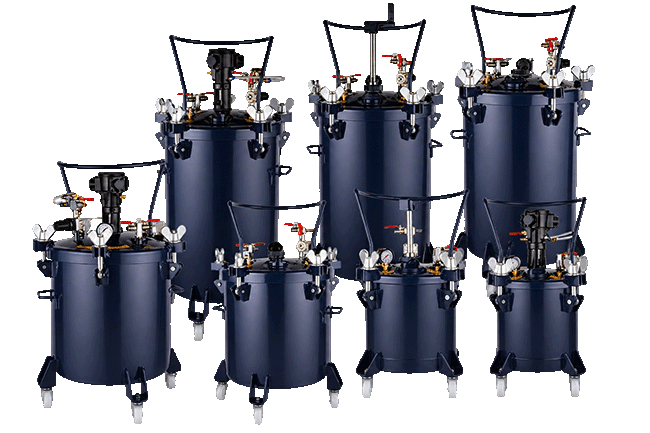
Automatic Paint Supply System: How It Works and How to Choose One
An automatic paint supply system is a pressurized fluid delivery setup that feeds paint, coatings, or other liquids to automatic spray guns, coating lines, or dispensing equipment at a controlled and consistent pressure. Instead of refilling a small cup for every cycle, the system stores material in a sealed pressure tank and pushes it through a regulator, hose, and spray device. This makes it suitable for finishing workshops, furniture factories, metal coating lines, and automated production cells where uninterrupted material supply and stable atomization matter.
What an Automatic Paint Supply System Actually Does
In a typical configuration, the pressure tank connects to a compressed air line. Air pressure pushes down on the fluid inside the tank, forcing material through an outlet and along a delivery hose to the spray gun or automatic spray head. A pressure regulator and gauge let the operator set and monitor working pressure, while a safety relief valve protects the vessel from over-pressurization.
The word “automatic” usually refers to how the tank integrates with automatic spray guns, reciprocating machines, or robotic arms that trigger spraying without manual gun operation. The tank itself may be a simple pressure vessel, but its role is central: it stabilizes flow, reduces pulsation, and keeps multiple spray points supplied from one source.
Key Components of an Automatic Paint Supply System
Most industrial pressure tanks share a similar working principle, but the details vary. Common components include:
- Stainless steel tank body and lid
- Pressure regulator and pressure gauge
- Safety relief valve
- Compressed air inlet with filter
- Fluid outlet and material delivery pipe
- Sealing components
- Optional pneumatic or electric agitator
- Level indicators, drain ports, or quick-release fittings (optional)
Some units include agitators for materials that tend to settle, such as metallic coatings or filled adhesives. Others offer clamped or bolted lids for fast refilling and cleaning, and fluid outlets positioned to minimize dead zones.
How to Choose the Right Automatic Paint Supply System
Selecting a system involves matching the tank to your material, production rate, and existing spray equipment. Consider these factors:
1. Material Type and Viscosity
Different coatings, adhesives, inks, and resins have different flow characteristics. The tank capacity, outlet size, and whether an agitator is needed depend on whether the material tends to settle or requires mixing.
2. Operating Pressure and Flow Rate
The working pressure must be compatible with your spray guns or dispensing valves. A regulator and gauge allow you to set and maintain the pressure needed for consistent atomization and film thickness.
3. Tank Capacity and Production Cycle
Larger tanks reduce refill frequency and support longer production runs. Choose a capacity that matches your consumption rate and available refill time.
4. Compatibility with Automatic Equipment
If you use automatic spray guns, reciprocating machines, or robotic arms, the tank should maintain stable pressure across long hoses and multiple spray points. Check that fittings and outlets match your existing system.
5. Material and Construction
Stainless steel is common for industrial coatings because it resists corrosion and is easy to clean. Sealing components should be compatible with the fluids being used.
6. Safety Features
A safety relief valve is essential to prevent over-pressurization. Other features like pressure gauges and level indicators help operators monitor the system.
Typical Applications
Automatic paint supply systems are used in a range of industrial processes, including:
- Industrial coating and painting lines
- Furniture and wood finishing
- Metal coating and protective finishes
- Adhesive and sealant dispensing
- Ink and resin delivery
- Release agent application
They are particularly useful when continuous spraying or dispensing is required, and when manual refilling would interrupt production.
Common Considerations and Limitations
While pressure tanks offer stable delivery, they are not suitable for every situation. For example, very high-viscosity materials may require a pump-assisted system. Also, the tank must be properly cleaned between material changes to avoid contamination. Always follow the manufacturer’s instructions for pressure limits and maintenance.
When sourcing from overseas suppliers, ask for details on tank construction, pressure ratings, sealing materials, and available options such as agitators or level sensors. Understanding how the tank integrates with your existing spray system is more important than comparing catalog photos.
About DGYAKOO
DGYAKOO manufactures glue pressure tanks and adhesive dispensing pressure tanks. Our product range includes coating pressure tanks, paint pressure tanks, and automatic spray pressure tanks designed for industrial fluid delivery. For more information, visit https://www.madetank.com/.
FAQ
What is an automatic paint supply system?
It is a pressurized fluid delivery setup that uses a pressure tank to feed paint or coatings to automatic spray guns or dispensing equipment at a controlled pressure, ensuring consistent flow and reducing refill interruptions.
How does a pressure tank maintain consistent paint flow?
Compressed air enters the sealed tank and pushes down on the liquid. A pressure regulator and gauge maintain a steady working pressure, so the material flows evenly through the hose to the spray device.
What materials can be used with an automatic paint supply system?
It can handle paints, protective coatings, release agents, primers, adhesives, inks, resins, and other industrial liquids, depending on the tank construction and sealing materials.
Do I need an agitator in my pressure tank?
An agitator is recommended for materials that tend to settle or separate, such as metallic coatings or filled adhesives. For simple paints, it may not be necessary.
How do I choose the right tank capacity?
Consider your material consumption rate and how often you can refill. Larger tanks reduce refill frequency but take up more space and require more material to fill.
What safety features should I look for?
A safety relief valve is essential. Also look for a pressure gauge, proper sealing, and a lid that allows safe refilling and cleaning.
Can I use an automatic paint supply system with robotic arms?
Yes, many systems are designed to integrate with automatic spray guns, reciprocating machines, and robotic arms. Ensure the tank maintains stable pressure across long hoses and multiple spray points.
