

Coating Material Tank | What It Is, How to Choose, and Where It Fits in Industrial Coating Systems
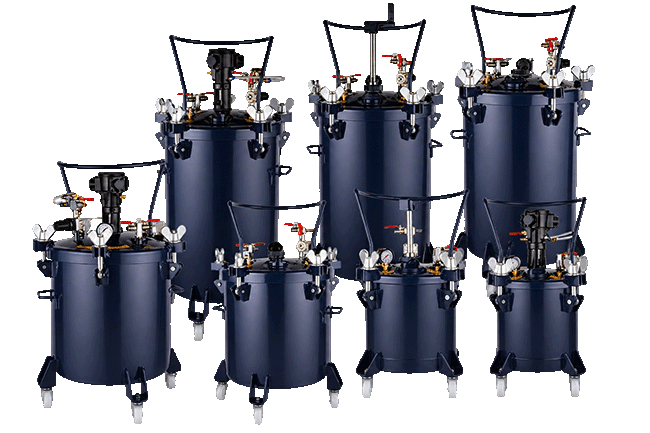
Coating Material Tank: What It Is, How to Choose, and Where It Fits in Industrial Coating Systems
A coating material tank is a sealed pressure vessel that stores and supplies coating materials—such as paint, varnish, lacquer, or other flowable coatings—to spray guns, coating rollers, or dispensing equipment under controlled pressure. It is used to maintain consistent material flow, reduce manual refilling, and support stable coating thickness in industrial finishing operations.
If you are evaluating a coating material tank for your production line, the key factors are material compatibility, pressure requirements, tank capacity, outlet configuration, and safety features. This guide explains how these tanks work, how to select the right one, and what to check before ordering.
What Is a Coating Material Tank?
A coating material tank—sometimes called a pressure pot, paint pressure tank, or coating supply tank—is a closed container fitted with an air inlet, a material outlet, a pressure gauge, and a safety relief device. Compressed air enters the tank and presses down on the coating material, forcing it out through a dip tube or bottom outlet to the point of use.
Unlike simple storage tanks, coating material tanks are designed to maintain internal pressure so that material can be delivered at a controlled rate. They are commonly found in:
- Industrial spraying systems (automotive, furniture, metal finishing)
- Coating supply lines for rollers or curtain coaters
- Adhesive and sealant dispensing
- Ink circulation systems
- Chemical dosing and automated production lines
In many factories, the tank acts as a buffer or day tank that keeps production running without frequent manual refilling.
How to Choose the Right Coating Material Tank
Selecting a coating material tank involves matching the tank’s specifications to your material, process, and environment. Below are the main criteria to evaluate.
1. Material Compatibility and Tank Construction
The tank material must resist corrosion from the coating being used. Stainless steel is a common choice for water-based and solvent-based coatings because it offers good corrosion resistance and is easy to clean. Carbon steel may be suitable for some solvent-based coatings but is generally not recommended for water-based materials unless properly coated.
Check that all wetted parts—tank body, dip tube, outlet fittings, seals—are compatible with your coating. For aggressive chemicals, higher-grade stainless steel or special coatings may be required.
2. Pressure Requirements and Regulation
Determine the operating pressure needed for your application. Low-pressure tanks (typically up to 1–2 bar) are often used for low-viscosity coatings and short supply lines. Higher pressures may be needed for high-viscosity materials or long distances to the spray gun.
The tank should include a pressure regulator and gauge for precise control, and a safety relief valve to prevent over-pressurization. Confirm the maximum working pressure of the tank exceeds your required operating pressure with a safe margin.
3. Tank Capacity and Refill Frequency
Capacity affects how often operators must refill the tank. Larger tanks reduce refill frequency but take up more floor space and may require more material to reach operating pressure. Consider your production rate, material consumption per hour, and available space.
Common capacities range from a few liters for small dispensing systems to 50 liters or more for industrial coating lines. Some manufacturers offer custom sizes.
4. Outlet and Agitation Options
The outlet configuration—dip tube or bottom outlet—should match your material’s viscosity and flow characteristics. A dip tube is often used for lower-viscosity materials, while a bottom outlet may be better for high-viscosity coatings or when complete drainage is needed.
If your coating tends to settle or separate, an agitator or mixing port may be necessary to keep the material homogeneous. Some tanks include a mixer mounting port; others can be customized.
5. Lid and Closure Type
Quick-open or clamped lids allow fast filling and cleaning, reducing downtime. Bolt-closure lids may be more secure for high-pressure applications but take longer to open. Consider how often the tank will be opened and cleaned.
6. Safety Features
Essential safety features include a pressure relief valve, a pressure gauge, and a secure lid closure. For flammable coatings, ensure the tank and electrical components (if any) are suitable for the environment. Always follow local pressure vessel regulations.
Typical Applications and Scenarios
Coating material tanks are used across many industries. Here are some common scenarios:
- Automotive refinishing: Supplying primer, base coat, and clear coat to spray guns with consistent pressure.
- Furniture manufacturing: Feeding lacquers and stains to automated spray lines.
- Metal finishing: Delivering protective coatings to spray booths.
- Adhesive and sealant dispensing: Supplying high-viscosity materials to dispensing valves.
- Ink circulation: Maintaining flow in printing presses.
In each case, the tank helps maintain a steady, pulse-free supply that can improve coating quality and reduce waste.
Common Mistakes and Considerations
Buyers sometimes overlook important details when specifying a coating material tank. Watch for these issues:
- Incompatible materials: Using a tank that corrodes or reacts with the coating, leading to contamination and tank failure.
- Undersized capacity: Frequent refills disrupt production and can cause pressure fluctuations.
- Insufficient pressure: High-viscosity coatings may not flow properly at low pressure.
- Poor cleaning access: Difficult-to-clean tanks can cause cross-contamination between batches.
- Missing safety devices: Operating without a relief valve or gauge is dangerous.
Also consider the total cost of ownership, including maintenance, replacement parts, and compatibility with existing equipment.
Frequently Asked Questions
What is the difference between a coating material tank and a paint pressure pot?
They are essentially the same type of equipment. “Coating material tank” is a broader term that can include tanks for various coatings, while “paint pressure pot” specifically refers to tanks used for paint. Both use pressure to deliver material to spray equipment.
Can I use a coating material tank for high-viscosity materials?
Yes, but you need to select a tank with appropriate pressure capability and outlet design. High-viscosity materials may require higher pressure, a bottom outlet, and possibly an agitator to maintain flow.
How do I clean a coating material tank?
Cleaning procedures depend on the coating and tank design. Typically, you depressurize the tank, open the lid, and clean the interior with a compatible solvent or cleaning agent. Quick-open lids and smooth interior surfaces make cleaning easier. Always follow the manufacturer’s instructions and safety guidelines.
What safety features should a coating material tank have?
A pressure relief valve, pressure gauge, and secure lid closure are essential. For flammable materials, ensure proper grounding and use appropriate equipment. Check local regulations for pressure vessel safety.
Can coating material tanks be customized?
Many manufacturers offer customization options such as tank size, material of construction, outlet type, agitator ports, and pressure ratings. Discuss your specific requirements with the supplier.
About DGYAKOO
DGYAKOO is a manufacturer of glue pressure tanks, adhesive and dispensing pressure tanks, and related industrial fluid handling equipment. Our product range includes pressure material tanks, paint pressure pots, and stainless steel pressure tanks for coating, adhesive, and chemical applications. We provide customized solutions for global B2B customers. For more information, visit www.madetank.com.
