

Pneumatic Dispensing Valve | Precision Fluid Control Solutions
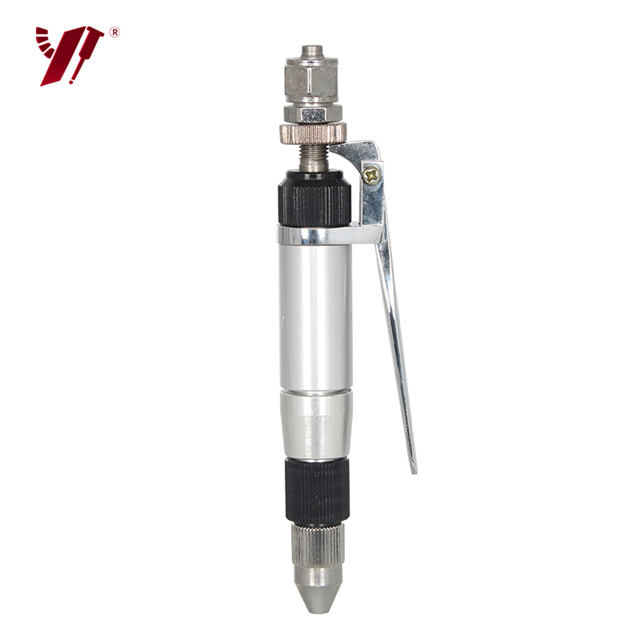
What Is a Pneumatic Dispensing Valve?
A pneumatic dispensing valve is a fluid control device that uses compressed air to actuate a valve mechanism and regulate the delivery of liquids, adhesives, sealants, lubricants, pastes, and other process materials. It is widely used in automated manufacturing systems that require controlled fluid application, repeatable dispensing performance, and efficient production.
Compared with manual dispensing methods, a properly selected pneumatic dispensing valve can improve application consistency, reduce material waste, and support automated production processes. Its actual performance depends on the valve design, fluid properties, operating pressure, dispensing parameters, and system configuration.
For manufacturers seeking reliable fluid control, understanding how pneumatic dispensing valves work is an important step toward improving production quality.
How Does a Pneumatic Dispensing Valve Work?
A pneumatic dispensing valve typically operates through a compressed-air control signal. When the control system activates the valve, pneumatic force moves an internal mechanism to open or close the fluid passage. The valve then releases a controlled amount of material through its outlet.
When the air signal is removed, the valve returns to its designed closing position, depending on its operating principle.
A typical dispensing system includes:
- Pneumatic dispensing valve: Controls the opening and closing of the fluid passage.
- Compressed air supply: Provides the actuation force.
- Fluid supply system: Delivers material to the valve under suitable pressure.
- Controller or timing unit: Determines the dispensing cycle and activation duration.
- Dispensing nozzle: Directs material onto the target surface or component.
Dispensing accuracy is influenced by more than the valve alone. Fluid viscosity, supply pressure, nozzle size, temperature, and dispensing time must also be considered to achieve stable results.
Key Benefits of Pneumatic Dispensing Valves
1. Consistent Dispensing Performance
In automated production, consistent fluid application helps maintain product quality. A suitable pneumatic dispensing valve can deliver repeatable dispensing cycles when operating conditions are properly controlled.
2. Easy Integration with Automation
Pneumatic dispensing valves can be integrated into many automated assembly lines, robotic dispensing systems, and programmable manufacturing processes. They support repeatable on-off control and can help reduce dependence on manual operation.
3. Reduced Material Waste
Accurate valve selection and process adjustment can minimize dripping, excessive application, and unnecessary material consumption. This is particularly valuable when working with expensive adhesives, specialty lubricants, and functional coatings.
4. Flexible Industrial Applications
Depending on its construction and material compatibility, a pneumatic dispensing valve can be configured for different fluids, dispensing volumes, and production requirements.
5. Support for Efficient Production
A valve matched to the required cycle rate and fluid characteristics can help maintain production efficiency while reducing dispensing-related interruptions.
Common Applications of Pneumatic Dispensing Valves
Pneumatic dispensing valves are used across multiple manufacturing industries.
- Electronics manufacturing: Applying adhesives, protective compounds, and assembly materials to electronic components.
- Automotive production: Dispensing sealants, lubricants, bonding agents, and other process fluids.
- Medical device manufacturing: Applying specified adhesives and assembly materials where the selected equipment meets the required process standards.
- Industrial assembly: Controlling the application of grease, thread-locking compounds, and bonding materials.
- Packaging and product assembly: Applying controlled amounts of adhesives and sealants during automated production.
The appropriate valve type depends on the material being dispensed, the required deposit size, the production speed, and the working environment.
How to Choose the Right Pneumatic Dispensing Valve
Selecting the right pneumatic dispensing valve requires evaluating the complete dispensing process rather than focusing on price alone.
1. Fluid viscosity
Low-viscosity liquids and high-viscosity pastes behave differently during dispensing. Check whether the valve is designed to handle your material’s viscosity and flow characteristics.
2. Required dispensing volume
Determine whether the application requires small droplets, fine lines, larger deposits, or continuous fluid delivery. The valve mechanism and nozzle should match the required output.
3. Material compatibility
Confirm that the valve body, internal components, seals, and other wetted parts are compatible with the fluid’s chemical properties.
4. Operating pressure
Check both the pneumatic actuation pressure and the fluid supply pressure. These are separate parameters and must fall within the manufacturer’s specified operating ranges.
5. Dispensing speed and accuracy
For high-volume manufacturing, evaluate response time, cycle frequency, repeatability, and suitability for integration with the control system.
6. Maintenance requirements
Consider cleaning access, replacement parts, seal service life, and the availability of technical support. These factors can influence long-term operating costs.
Before placing an order, provide your supplier with the fluid type, viscosity, target dispensing volume, operating conditions, and application details. This information helps identify a suitable valve configuration.
Why Work with a Professional Pneumatic Dispensing Valve Supplier?
Choosing a professional pneumatic dispensing valve supplier can simplify equipment selection and reduce the risk of mismatched components.
A qualified supplier should be able to explain valve specifications, material compatibility, installation requirements, and recommended operating conditions. For specialized applications, technical communication before purchase is particularly important.
When comparing suppliers, review product documentation, manufacturing consistency, quality-control procedures, customization capabilities, and after-sales support. Request technical drawings or product samples when necessary to verify suitability for your application.
The best solution is not necessarily the valve with the lowest initial price. It is the valve that meets your process requirements and delivers dependable performance over its intended service life.
Frequently Asked Questions
What is a pneumatic dispensing valve used for?
A pneumatic dispensing valve controls the release of liquids, adhesives, sealants, lubricants, and other compatible materials. It is commonly used in automated assembly, electronics production, automotive manufacturing, and industrial fluid application.
How does a pneumatic dispensing valve differ from a manual dispensing valve?
A pneumatic dispensing valve uses compressed air to actuate the valve mechanism and can be controlled through an automated system. Manual dispensing relies more heavily on operator input. Pneumatic control is particularly useful for repeatable production cycles.
Can a pneumatic dispensing valve handle high-viscosity materials?
Some pneumatic dispensing valves are designed for high-viscosity fluids, pastes, or similar materials. Suitability depends on the valve structure, fluid supply pressure, nozzle configuration, and material characteristics. Always confirm compatibility with the manufacturer.
How do I improve pneumatic dispensing accuracy?
Use a valve matched to the fluid, maintain stable supply pressure, select an appropriate nozzle, and optimize dispensing time and operating parameters. Regular cleaning and maintenance can also help maintain consistent performance.
What information should I provide when requesting a quotation?
Provide the fluid type, viscosity, required dispensing volume, operating pressure, cycle rate, application environment, and any material or dimensional requirements. Product drawings or sample materials can help the supplier make a more accurate recommendation.
Find a Pneumatic Dispensing Valve for Your Application
Reliable fluid application starts with the right dispensing equipment. Whether you are developing an automated assembly line or improving an existing production process, selecting a suitable pneumatic dispensing valve can help support consistent output, efficient material use, and dependable operation.
Contact a qualified dispensing valve supplier to discuss your application requirements, compare suitable configurations, and identify a solution that fits your production process.
