

Industrial Pressure Vessel | Types, Applications, and How to Choose a Reliable Manufacturer
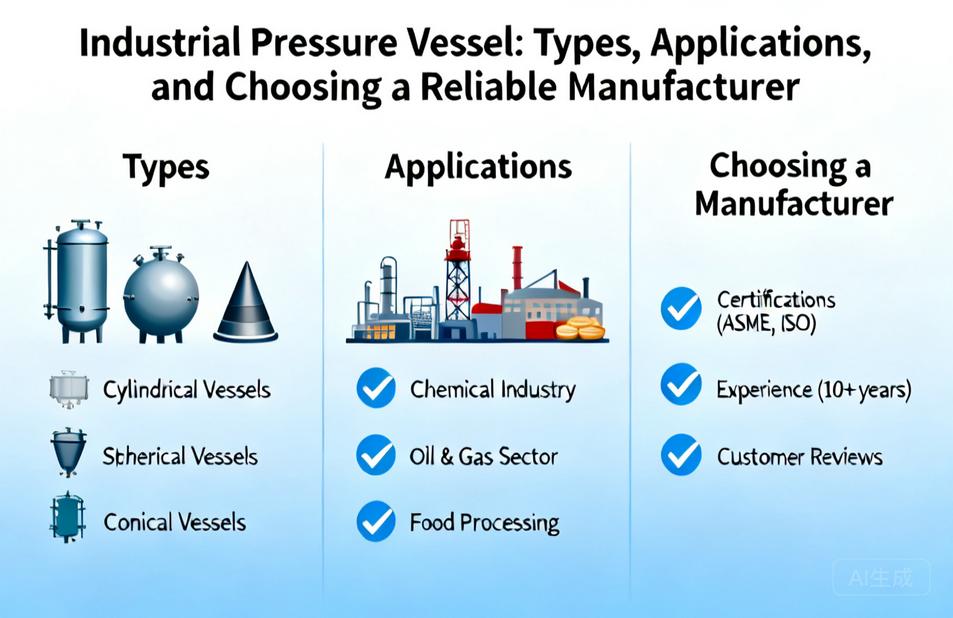
An industrial pressure vessel is a sealed container designed to hold gases or liquids at a pressure substantially different from the ambient pressure. These vessels are critical components in a wide range of industries, including chemical processing, oil and gas, power generation, and food and beverage production. They are used for storage, separation, heat exchange, and reaction processes, ensuring safe and efficient operation under high-pressure conditions. Understanding the key aspects of industrial pressure vessels is essential for procurement professionals and engineers looking to source robust and compliant equipment for their specific applications.
What Is an Industrial Pressure Vessel?
An industrial pressure vessel is a closed container engineered to withstand internal or external pressure exerted by its contents, which may be in the form of gas, liquid, or a combination. The design and construction of these vessels follow strict international codes and standards, such as the ASME Boiler and Pressure Vessel Code (BPVC) in the United States, the PED in Europe, and other regional standards. The primary purpose of a pressure vessel is to safely contain a process medium at a pressure higher than atmospheric pressure, enabling operations like chemical reactions, thermal transfer, or mass transfer to occur under controlled conditions.
Pressure vessels come in various shapes and configurations, including cylindrical, spherical, and conical designs. They can be horizontal or vertical, and are often equipped with internal components such as trays, packing, or heat exchange coils to enhance process efficiency. The choice of design depends on the intended application, the operating pressure and temperature, the nature of the process medium, and the required capacity.
Key Features and Design Considerations
When evaluating industrial pressure vessels, several critical features determine their performance and suitability for a given application:
- Material of Construction: Vessels are typically made from carbon steel, stainless steel, or specialty alloys like titanium or nickel alloys. The material must be compatible with the process fluid, resist corrosion, and maintain mechanical integrity at operating temperatures.
- Design Pressure and Temperature: Each vessel is designed for a specific maximum allowable working pressure (MAWP) and temperature. These values dictate the wall thickness and overall structural design.
- Internal Components: Depending on the process, vessels may include internals such as distributors, demisters, heating coils, or agitators. These components affect the vessel’s functionality and must be integrated into the design.
- Insulation and Cladding: Some applications require thermal insulation or protective cladding to maintain process temperatures or protect the vessel from external corrosion.
- Support Structures: Horizontal vessels are often mounted on saddles, while vertical vessels may use skirts or legs. The support design must account for thermal expansion and dynamic loads.
These features are typically specified by the buyer or defined in the process engineering package, and a competent manufacturer will offer guidance on optimizing the design for performance and cost-effectiveness.
Materials and Construction Standards
The selection of materials for an industrial pressure vessel is a complex decision that impacts safety, durability, and cost. Carbon steel is a common choice for many non-corrosive applications due to its high strength and affordability. Stainless steel is preferred for applications involving corrosive chemicals or requiring high levels of hygiene, such as in food and pharmaceutical processing. For extremely demanding environments, exotic alloys like duplex stainless steel or nickel-based alloys provide enhanced corrosion resistance and mechanical properties.
Regardless of material, the manufacturing process must comply with internationally recognized standards. Pressure vessel fabrication typically involves cutting, forming, welding, and rigorous non-destructive testing (NDT) to ensure weld integrity. Reputable manufacturers hold certifications from recognized bodies, such as the ASME U or U2 stamp, which signifies compliance with the BPVC. Buyers should always verify that their chosen supplier is certified to produce vessels for their target market and application.
Applications Across Industries
Industrial pressure vessels are indispensable across many sectors:
Chemical and Petrochemical Industry
Reactors, separators, and storage tanks are used to produce chemicals, polymers, and fuels. They must withstand corrosive media and high pressures, often requiring specialized materials and linings.
Oil and Gas Industry
Pressure vessels are used in upstream, midstream, and downstream operations for separation, dehydration, and treatment of hydrocarbons. Examples include separators, scrubbers, and fractionation columns.
Power Generation
In thermal and nuclear power plants, pressure vessels are used as boilers, reactors, and heat exchangers. They operate under extreme temperatures and pressures, demanding the highest safety standards.
Food and Beverage Industry
These vessels are used for processing, storage, and sterilization of food products. Stainless steel vessels with sanitary finishes are essential to meet hygiene standards.
Pharmaceutical and Biotechnology
Pressure vessels are used in fermentation, purification, and storage of pharmaceutical products. They require high-grade stainless steel and cleanability.
Other Applications
Pressure vessels are also found in HVAC systems, water treatment plants, and hydrogen storage systems, among others. Each application has unique requirements, making custom pressure vessel solutions a vital service offered by many manufacturers.
How to Choose an Industrial Pressure Vessel
Selecting the right industrial pressure vessel for your operation involves several key considerations:
- Define Your Process Requirements: Determine the type of fluid, operating pressure and temperature, capacity, and any special process conditions like mixing or heating.
- Choose the Appropriate Material: Consider the corrosiveness of the process medium, the required material compatibility, and cleanliness standards. Consult with material engineers if needed.
- Compliance with Standards: Ensure the vessel is designed and manufactured according to the relevant codes for your region and application. This is crucial for safety and legal compliance.
- Customization Needs: If your process requires specific nozzles, supports, or internals, check that the manufacturer can handle custom pressure vessel design and fabrication.
- Total Cost of Ownership: Beyond the initial purchase price, consider factors like installation, maintenance, energy efficiency, and expected lifespan.
Working closely with an experienced pressure vessel manufacturer or supplier can help you navigate these technicalities and achieve the best outcome for your project.
Customization and OEM Services
Many industrial pressure vessel manufacturers offer custom fabrication services to meet unique project specifications. This includes customizing vessel dimensions, connections, materials, and finishes. Original Equipment Manufacturer (OEM) services are common, where a manufacturer produces vessels that are incorporated into larger systems or sold under another company’s brand. Whether you need a standard off-the-shelf vessel or a fully bespoke design, it is essential to collaborate with a factory that has robust engineering capabilities and a proven track record.
Buying Considerations and Supplier Selection
When sourcing industrial pressure vessels, selecting a reliable supplier is as important as choosing the right design. Key factors to evaluate include:
- Experience and Expertise: Look for a manufacturer with extensive experience in your industry and in building similar vessels. Ask for case studies or references.
- Quality Assurance: Verify their quality management system and certifications. Compliance with international standards such as ASME, PED, or ISO 9001 is a strong indicator of quality.
- Testing and Inspection: Inquire about their inspection procedures, including NDT methods and pressure testing. Reputable factories will perform thorough testing before dispatch.
- After-Sales Support: Check what support they offer after the sale, including installation assistance, spare parts, and maintenance services.
- Lead Time and Price: While competitive pricing is attractive, ensure that the quoted price includes all necessary features and that the lead time is realistic. Avoid selecting suppliers solely on price, as this can lead to compromise on quality and safety.
Taking the time to vet potential suppliers can prevent costly problems down the line and ensure a smooth procurement process.
Frequently Asked Questions
What is the difference between a pressure vessel and a storage tank?
While both are containers for fluids, a pressure vessel is specifically designed to operate at a pressure significantly different from atmospheric pressure, and its design must adhere to strict code requirements. A storage tank is typically operated at or near atmospheric pressure and is used primarily for bulk storage without internal pressure.
What standards apply to industrial pressure vessels?
The most widely recognized standard is the ASME Boiler and Pressure Vessel Code (BPVC), particularly Section VIII for pressure vessels. In Europe, the Pressure Equipment Directive (PED) is mandatory. Other regional standards include PD 5500 in the UK and the GB/T standards in China. Compliance with these standards is essential for safety and legal acceptance.
Can I request a custom pressure vessel design for a specific application?
Yes, most manufacturers offer custom pressure vessel solutions tailored to your technical requirements. You can work with their engineers to define dimensions, materials, connections, and other features needed for your unique process.
How should I choose the right material for my pressure vessel?
The material selection should be based on the corrosiveness of the medium, operating temperature, pressure, and any special hygiene requirements. Consult with your manufacturer’s material engineers to determine the most suitable and cost-effective material for your application.
Conclusion
Selecting the right industrial pressure vessel is a critical decision that impacts the safety, efficiency, and reliability of your operations. By thoroughly understanding your application requirements, considering materials and standards, and carefully choosing a qualified manufacturer or supplier, you can ensure optimal performance and long-term value. Whether you need a standard vessel or a fully custom solution, working with a reputable factory that offers engineering expertise, certification, and after-sales support is essential. If you are in the process of sourcing an industrial pressure vessel, we encourage you to contact us to discuss your specific needs with our experienced team. We are ready to provide detailed specifications, competitive quotes, and comprehensive support for your project.