

Pressure Vessel with Mixer | A Practical Guide for Industrial Buyers
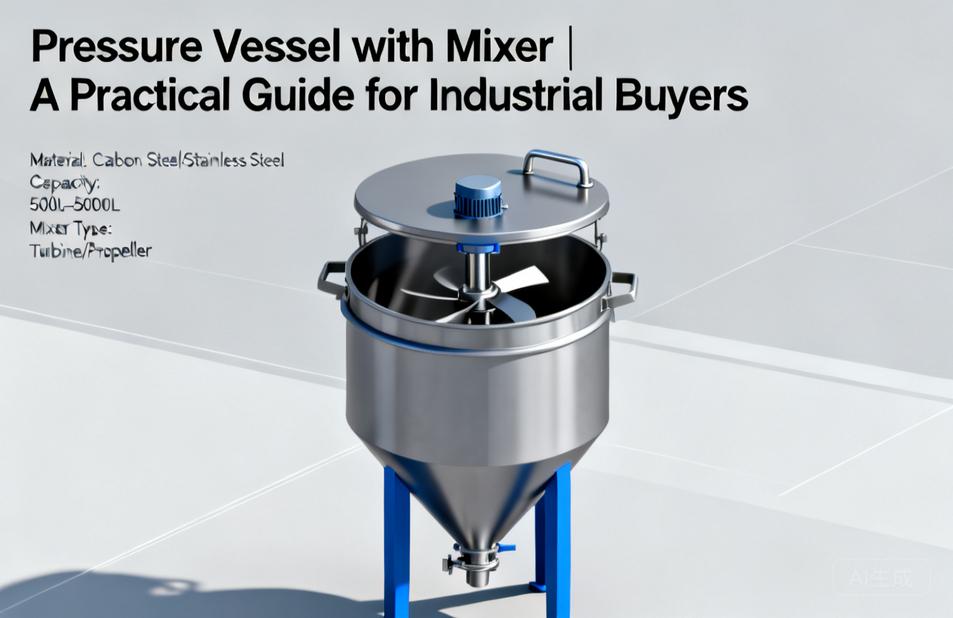
A pressure vessel with mixer is a closed container designed to hold fluids or gases under pressure while an internal agitator or mixing system blends, suspends, or homogenizes the contents. This combined equipment is used in chemical processing, pharmaceutical production, food and beverage manufacturing, cosmetic formulation, and wastewater treatment, where maintaining pressure and achieving consistent mixing are both critical to product quality and process safety. For overseas buyers, understanding how these vessels work, what materials and configurations are available, and how to select a reliable manufacturer or supplier is essential before placing an order.
What Is a Pressure Vessel with Mixer?
At its core, a pressure vessel with mixer consists of a pressure-rated shell, a top or bottom-mounted agitator, a drive system, and various ports for feeding, venting, sampling, and instrumentation. The vessel may be vertical or horizontal, depending on the process and available floor space. The mixer can be a top-entry, side-entry, or bottom-entry design, and the impeller type is chosen based on the viscosity and shear sensitivity of the product. Unlike standard storage tanks, these vessels are engineered to withstand internal pressure, which means the design must account for wall thickness, head shape, nozzle reinforcement, and proper sealing arrangements. Many industrial processes also require heating or cooling, so the vessel may include a jacket, coil, or external heat exchanger.
How a Mixer-Pressure Vessel Works
The working principle is straightforward but requires careful engineering. A pump or gravity feed introduces the product into the vessel, and the agitator creates flow patterns that promote blending, dissolution, or reaction. The pressure inside the vessel can be generated by the process itself, by an external gas supply such as nitrogen, or by a combination of both. In many cases, the pressure helps to keep volatile components dissolved, prevents boiling at elevated temperatures, or assists in transferring the mixture to downstream equipment. The mixer must be sealed properly to prevent leakage, and the drive system must deliver enough torque to handle the product at the required speed. Controls may include variable frequency drives, pressure gauges, temperature sensors, and safety relief valves.
Materials and Construction
Material selection is one of the most important decisions for a pressure vessel with mixer. Common choices include carbon steel, stainless steel 304 and 316L, duplex stainless steel, and sometimes exotic alloys or lined materials for highly corrosive environments. Stainless steel is popular in food, pharmaceutical, and cosmetic applications because it is easy to clean and resistant to many chemicals. The internal surface finish matters as well; sanitary applications often require polished surfaces to prevent product buildup and to meet hygiene standards. The vessel heads may be dished, flanged, or conical, and the agitator shaft may be supported by a bottom bearing or a stabilizer to reduce vibration at higher speeds. All wetted parts, including the impeller and shaft, should be made from compatible materials to avoid contamination or premature corrosion.
Typical Industrial Applications
Pressure vessels with mixers appear in many industries. In chemical manufacturing, they are used for polymerization, hydrogenation, and other reactions that require controlled pressure and agitation. The pharmaceutical sector relies on them for mixing active ingredients, preparing suspensions, and conducting fermentation under pressure. Food and beverage producers use them for sauces, syrups, and dairy products, where gentle mixing and sanitary design are important. Cosmetics and personal care manufacturers use these vessels for emulsification and homogenization of creams and lotions. In wastewater treatment, they may be part of anaerobic digestion or chemical dosing systems. Other applications include paint and coating production, adhesives, sealants, and specialty chemicals.
Key Features to Look For
When evaluating a pressure vessel with mixer, buyers should consider several practical features. The agitator type and speed range should match the product viscosity and mixing goal. The pressure rating must suit the maximum operating pressure with a suitable safety margin, but the exact value should be confirmed with the manufacturer based on your process data. Temperature control options, such as jackets or coils, affect heating and cooling efficiency. The sealing arrangement, whether a mechanical seal, lip seal, or magnetic drive, influences maintenance needs and leak prevention. Ports and connections should be sized for your feed, discharge, and instrumentation requirements. Finally, the control system should offer the level of automation you need, from simple manual controls to PLC-based systems with data logging.
How to Choose the Right Configuration
Selecting the correct pressure vessel with mixer starts with a clear process description. You need to know the product characteristics, including viscosity, density, solids content, and corrosiveness. The required mixing intensity and batch size will determine the agitator power and vessel volume. Operating pressure and temperature, along with any cleaning or sterilization requirements, will guide material and construction choices. Installation constraints, such as available headroom and floor space, may favor a top-entry or side-entry mixer. It is also wise to consider future expansion; a vessel with spare nozzles or a variable speed drive can accommodate new product formulations without a major redesign. Working with an experienced manufacturer or supplier early in the project helps avoid costly mismatches.
Customization and OEM Options
Many industrial buyers require custom pressure vessels with mixers rather than standard catalog items. A reputable factory can offer OEM and custom manufacturing services, including tailored dimensions, special materials, unique agitator designs, and specific control interfaces. Customization may also cover surface finishes, insulation, support structures, and documentation packages. When requesting a custom quotation, provide detailed process data, sketches, and any applicable standards or codes. Keep in mind that custom fabrication typically involves longer lead times and higher costs than standard units, but it ensures the equipment fits the application properly. Always clarify which party is responsible for design verification and compliance with local regulations.
Buying Considerations and Supplier Selection
Before purchasing a pressure vessel with mixer, verify the supplier’s engineering capabilities and manufacturing experience. Ask for examples of similar projects, but avoid relying solely on marketing claims. A good supplier will ask detailed questions about your process and will provide clear technical documentation. Check whether the manufacturer works with recognized design codes and whether they can supply material certificates and inspection reports. Consider the location of the factory and the availability of after-sales support, spare parts, and technical assistance. Price is important, but it should not be the only factor; a poorly built vessel can lead to downtime, safety risks, and expensive repairs. Request a detailed proposal that outlines scope, exclusions, and responsibilities.
Frequently Asked Questions
Can a pressure vessel with mixer handle high-viscosity products?
Yes, but the agitator design must be selected accordingly. High-viscosity products often require close-clearance impellers, helical ribbons, or anchor agitators. The drive system must also provide sufficient torque at low speeds. Be sure to share accurate viscosity data with the manufacturer.
What information do I need to provide for a custom quote?
Provide the product description, batch size, operating pressure and temperature, material preferences, mixing requirements, available space, and any applicable standards. Drawings or sketches of the desired layout are also helpful. The more details you provide, the more accurate the quotation will be.
How do I maintain a pressure vessel with mixer?
Regular maintenance includes checking seals for leaks, inspecting the agitator for wear or damage, verifying pressure relief devices, and lubricating drive components as recommended. Follow the manufacturer’s maintenance schedule and keep records of inspections and repairs.
Are these vessels suitable for sanitary applications?
They can be designed for sanitary use with stainless steel construction, polished surfaces, and clean-in-place features. Discuss your hygiene requirements with the supplier to ensure the vessel meets the relevant standards for your industry.
Conclusion
Choosing the right pressure vessel with mixer involves a careful review of your process needs, material compatibility, and supplier capabilities. Focus on accurate specifications, proper agitator selection, and a manufacturer that can provide custom or OEM solutions tailored to your application. Whether you are upgrading an existing line or building a new plant, working with a knowledgeable supplier helps ensure reliable performance and long-term value. If you have a specific mixing or pressure application in mind, contact a qualified manufacturer to discuss your requirements and request a detailed proposal.