

Stainless Steel Pressure Tank for Industrial Fluid and Adhesive Dispensing Systems
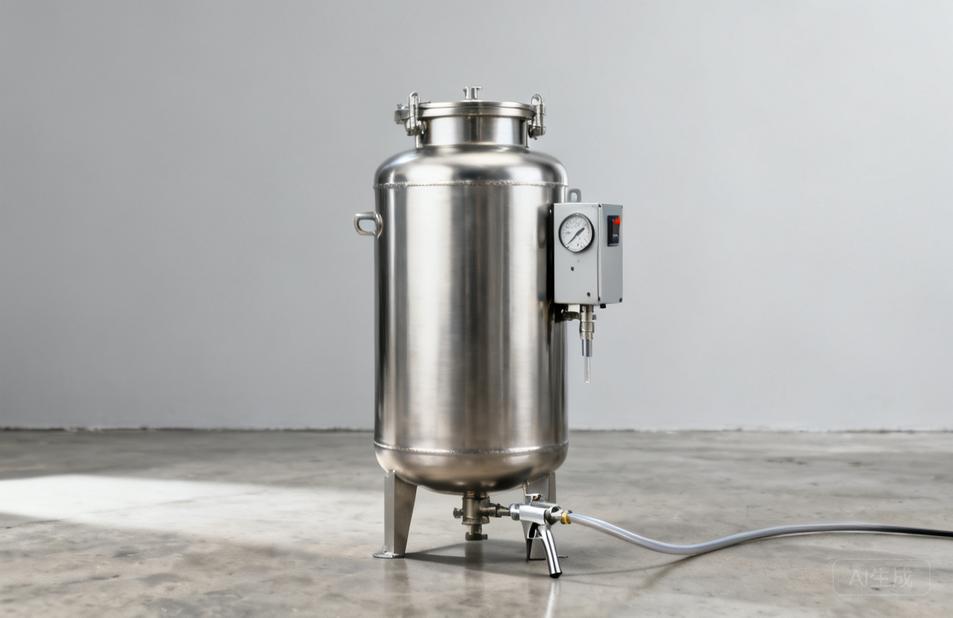
A stainless steel pressure tank is a sealed vessel that uses compressed air to push liquids, adhesives, sealants, inks, or other fluids through hoses and valves to a dispensing point. Unlike simple gravity-fed containers, it maintains steady pressure on the material, which helps deliver a consistent flow in industrial applications such as automated dispensing, spraying, coating, and fluid transfer. For overseas buyers sourcing equipment for production lines, a pressure tank is often the central component that connects material supply with controlled application. Choosing the right tank involves understanding construction, wetted materials, working pressure requirements, and how the tank integrates with existing pumps, regulators, and dispensers.
What Is a Stainless Steel Pressure Tank?
A stainless steel pressure tank, sometimes called a pressure pot or pressure vessel, is typically a cylindrical container with a clamped or bolted lid, an air inlet, a fluid outlet, and a pressure gauge or regulator port. The tank is filled with the material to be dispensed, sealed, and then pressurized with clean, dry compressed air. The air pressure forces the material out through a dip tube or outlet port to the dispensing valve or nozzle. Stainless steel is a common material choice because it offers corrosion resistance, easy cleaning, and compatibility with many industrial fluids. Depending on the application, tanks may be used as standalone units or as part of a larger fluid delivery system.
Key Features Buyers Look For
When evaluating a stainless steel pressure tank, purchasing teams often focus on features that affect safety, maintenance, and process consistency. Common features include a quick-release lid for fast refilling, a safety relief valve to prevent over-pressurization, a pressure regulator with gauge for precise control, and port configurations that match existing hoses and fittings. Some tanks include agitation or recirculation options for materials that tend to settle. The interior surface finish also matters: a smooth finish supports easier cleaning and reduces material buildup, while the exterior may be polished or brushed depending on the working environment. Tank capacity and port orientation should be matched to the dispensing system and available floor space.
Materials and Construction
Stainless steel grades such as 304 and 316 are frequently used in pressure tank construction. Grade 304 provides good general corrosion resistance for many water-based and solvent-based materials, while grade 316 offers higher resistance to chlorides and some aggressive chemicals. The wetted path may include stainless steel dip tubes, fittings, and valves. Seals and gaskets are selected based on the fluid being dispensed; common options include PTFE, Viton, and EPDM. Weld quality, surface finish, and pressure rating are important construction details. Buyers should confirm that the tank is designed for the intended working pressure and that all components in contact with the material are compatible with the fluid.
Industrial Applications
Stainless steel pressure tanks are used across many industries where controlled fluid delivery is required. In electronics manufacturing, they supply conformal coatings, solder masks, and adhesives. In automotive and aerospace assembly, they feed sealants, greases, and structural adhesives. In packaging and printing, they handle inks, varnishes, and glues. Other applications include medical device assembly, food and beverage processing where sanitary construction is needed, and general factory automation. Because the tank separates the material from the pressurizing air, it can also be used for fluids that should not be contaminated by the air supply, provided the tank and seals are compatible.
How to Choose the Right Pressure Tank
Selecting a pressure tank starts with the material to be dispensed. Review its viscosity, chemical compatibility, and whether it contains particles or fillers. Next, define the required flow rate and dispensing pressure for the application. This helps determine tank size, outlet size, and whether a single tank or a centralized system is more suitable. Consider the operating environment: washdown areas may require a higher degree of protection, while hazardous locations may need specific electrical or grounding provisions. Portability, floor space, and refill frequency also influence the choice. Finally, confirm that the tank can be integrated with existing regulators, hoses, dispensing valves, and control systems.
Customization and OEM Options
Many suppliers offer customization for stainless steel pressure tanks to match specific production requirements. Custom options can include tank capacity, port quantity and orientation, lid type, surface finish, mounting brackets, and material grade. OEM projects may involve private labeling, custom color, or integration with a customer’s existing dispensing equipment. When requesting a custom or OEM tank, buyers should provide clear specifications: fluid type, working pressure, flow rate, connection sizes, available space, and any cleaning or sanitation requirements. A supplier with engineering support can help review these details and propose a configuration that fits the application.
Buying Considerations for Overseas Procurement
For international buyers, several practical points affect the purchasing decision. Documentation matters: request dimensional drawings, material certificates, and pressure test reports where applicable. Packaging and shipping should protect the tank and fittings during transit. Spare parts availability, such as seals, gaskets, and relief valves, supports long-term maintenance. It is also useful to confirm the supplier’s experience with similar applications and their ability to communicate technical details in English. Sample evaluation or small trial orders can help verify fit and finish before committing to larger volumes. Buyers should avoid assuming that a low price reflects total value; maintenance, downtime, and replacement part costs also matter.
Supplier Selection
Choosing a reliable manufacturer or supplier is as important as choosing the tank itself. A qualified factory should be able to explain material options, pressure ratings, and sealing choices clearly. Ask how they handle quality control during welding, assembly, and testing. Inquiries about OEM and custom work should receive specific responses rather than generic claims. It also helps to review whether the supplier serves industries similar to yours and can provide references or technical documentation when appropriate. Communication speed and willingness to answer detailed questions often indicate how smoothly an order will proceed.
Frequently Asked Questions
What is the difference between a pressure tank and a pressure pot?
The terms are often used interchangeably. Both refer to a sealed vessel that uses air pressure to move fluid to a dispensing point. Some suppliers use pressure pot for smaller or portable units and pressure tank for larger or stationary vessels.
Can a stainless steel pressure tank handle high-viscosity materials?
It can handle many viscous materials, but performance depends on tank design, outlet size, pressure available, and the material’s flow characteristics. For very thick or shear-sensitive fluids, a follower plate or pump-fed system may be more suitable.
Is OEM or custom manufacturing available for pressure tanks?
Many manufacturers offer OEM and custom options, including size, port layout, material grade, and branding. Buyers should provide detailed specifications so the supplier can confirm feasibility and propose a suitable configuration.
How do I maintain a stainless steel pressure tank?
Regular maintenance includes checking seals and gaskets, inspecting the relief valve, cleaning the interior according to the material being used, and verifying pressure gauge accuracy. Following the supplier’s maintenance instructions helps extend service life.
Conclusion
Selecting a stainless steel pressure tank requires balancing material compatibility, pressure and flow requirements, construction quality, and integration with existing dispensing equipment. Buyers should also evaluate customization and OEM capabilities, spare parts support, and the supplier’s technical responsiveness. If you are sourcing pressure tanks for a specific fluid, application, or production line, contact a qualified manufacturer or supplier to discuss your specifications and explore standard or custom options.
