

Stainless Steel Paint Tank | A Practical Guide for Industrial Paint and Coating Operations
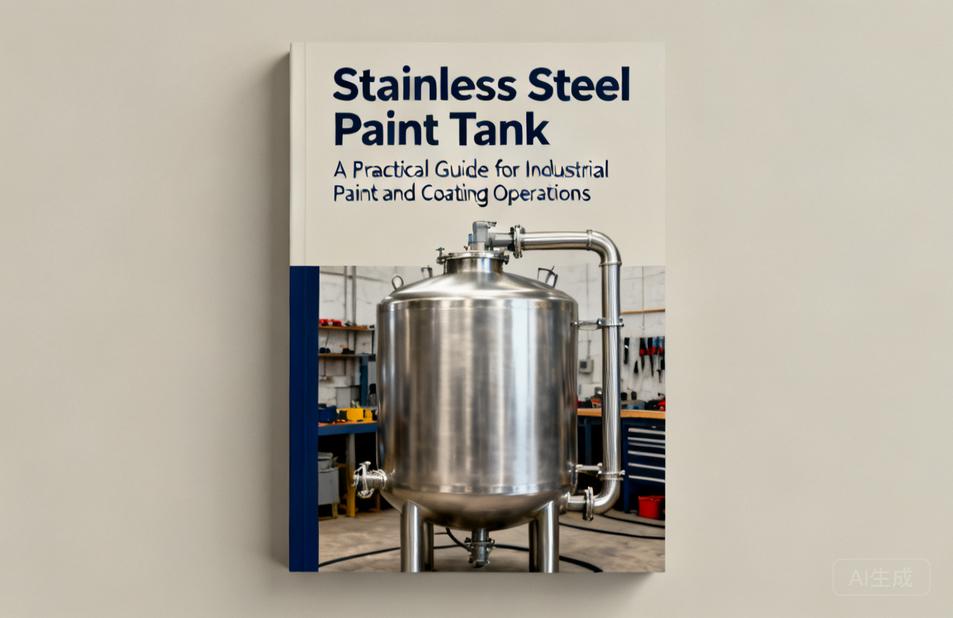
A stainless steel paint tank is a pressure vessel designed to store, mix, and dispense paints, coatings, adhesives, and other fluid materials in industrial environments. Unlike plastic or carbon steel alternatives, stainless steel offers superior corrosion resistance, durability, and hygiene, making it a preferred choice for paint manufacturing plants, automotive finishing lines, marine coating operations, and general industrial painting systems. This guide provides an in-depth look at stainless steel paint tanks, their construction, applications, selection criteria, and customization options to help you make an informed purchasing decision.
What Is a Stainless Steel Paint Tank and How Does It Work?
A stainless steel paint tank operates on the principle of pressure or gravity to deliver coating materials to application equipment such as spray guns, rollers, or automated dispensing systems. In a typical setup, the tank is filled with paint or coating, and then compressed air is introduced to apply pressure, forcing the fluid through a hose to the point of application. This design ensures a steady, controlled flow, which is essential for achieving consistent coating thickness and finish quality. Stainless steel tanks are available in various sizes, from small portable units (e.g., 10 liters) to large stationary vessels (e.g., 500 liters or more), and can be equipped with agitators to keep pigments and solids suspended.
Key Features of Stainless Steel Paint Tanks
When evaluating a stainless steel paint tank, several features are critical to performance and longevity:
- Material and Finish: Tanks are typically made from 304 or 316 stainless steel. 304 grade is common for general paints, while 316 offers better resistance to aggressive chemicals and saltwater, making it ideal for marine coatings. An interior finish of 2B or mirror polish reduces surface roughness, minimizing paint adhesion and making cleaning easier.
- Pressure Rating: Depending on the application, tanks are designed to withstand working pressures ranging from 15 psi to over 100 psi. Always match the pressure rating to your system requirements to ensure safe operation.
- Capacity: Tanks come in various capacities, from 1 gallon to hundreds of gallons. Consider your batch size and production throughput when choosing capacity.
- Agitation: For paints with heavy pigments or short pot life, an agitator (mechanical or pneumatic) is essential to maintain uniformity.
- Connection and Ports: Inlet, outlet, vent, and pressure gauge ports must align with your existing equipment. Quick-disconnect couplings and flanged connections are common options.
- Safety Features: Look for pressure relief valves, safety clamps, and caster brakes (on portable units) to prevent accidents.
Materials and Construction: Quality Matters
The reliability of a stainless steel paint tank largely depends on the quality of material and welding. High-grade stainless steel not only resists rust and corrosion but also prevents contamination of the paint, which is crucial for producing high-quality finishes. Seams should be welded with proper techniques (TIG or MIG) and ground smooth to avoid trapping material and to facilitate thorough cleaning. Additionally, the tank’s interior should be free of crevices where paint could accumulate and dry, causing future contamination. Reputable manufacturers and suppliers use virgin stainless steel and perform leak testing on every unit to ensure integrity.
Common Applications for Stainless Steel Paint Tanks
Stainless steel paint tanks are versatile and find use in numerous industries:
- Automotive and Aerospace Finishing: Applying primers, base coats, and clear coats with precision. The corrosion resistance of stainless steel ensures no rust particles contaminate the paint.
- Industrial Maintenance and Coating: For protective coatings on machinery, structures, and pipelines.
- Marine Coatings: Tanks used in saltwater environments benefit from 316 stainless steel to withstand harsh conditions.
- Wood and Furniture Finishing: Dispensing lacquers, varnishes, and stains.
- Paint and Chemical Manufacturing: Storing and mixing intermediates and final products.
- Construction and Heavy Equipment: Applying high-solids and anti-corrosive paints.
Each application may require specific features, such as higher pressure for spray application, or agitation for settling-prone coatings.
How to Choose the Right Stainless Steel Paint Tank
Selecting the appropriate tank involves more than just picking a size. Here are key factors to consider:
- Working Pressure: Confirm the pressure required by your spray guns or dispensing equipment. Higher pressure may be needed for viscous paints.
- Capacity and Footprint: Assess your average batch size and available floor space. Portable tanks are convenient for multiple workstations, while stationary tanks are suited for fixed production lines.
- Type of Material: Some paints are abrasive, corrosive, or require inert environment. Choose 316 stainless for aggressive chemicals; also consider PTFE or other coatings for highly reactive materials.
- Cleaning and Maintenance: Tanks with removable lids, smooth interiors, and large openings are easier to clean and inspect.
- Compliance and Safety: Depending on your region, pressure vessels may need to meet certain standards (e.g., CE, ASME). Verify that the manufacturer or supplier can provide relevant documentation.
By systematically evaluating these points, you can avoid costly mistakes and ensure the tank fits seamlessly into your existing process.
Customization and OEM Options
Many stainless steel paint tank suppliers offer customization to meet specific production needs. Common customization options include:
- Custom capacities and dimensions
- Additional ports or fittings
- Level indicators or sight glasses
- Jacketed tanks for temperature control
- Special agitator designs (e.g., high-shear or slow-speed)
- Non-standard pressure ratings
- Custom surface finishes (e.g., electropolishing)
If you have a unique application, look for a manufacturer that offers OEM or custom engineering services. A reputable factory will work with you to design a tank that precisely matches your specifications, including material grade, weld quality, and ancillary components. This is particularly important for industries with rigorous quality standards, such as food-grade or pharmaceutical-grade coatings.
Buying Considerations and Supplier Selection
When purchasing a stainless steel paint tank, consider the total cost of ownership, not just the upfront price. A cheaper tank made from thinner material may deform under pressure or corrode quickly, leading to downtime and costly replacements. Look for a supplier or manufacturer with a proven track record, positive reviews, and a willingness to provide detailed product documentation. Key questions to ask include:
- What stainless steel grade do you use for the shell and wetted parts?
- What is the maximum working pressure and how is it tested?
- Can you provide a material test certificate?
- What is your lead time for standard and custom orders?
- What after-sales support do you offer?
Choosing a supplier that prioritizes communication and quality assurance can save you time and money in the long run.
Frequently Asked Questions
What is the difference between a stainless steel paint tank and a pressure tank?
A pressure tank is a general term for any vessel that holds fluid under pressure. A stainless steel paint tank is a type of pressure tank specifically designed for paints and coatings, with features like agitation, easy cleanup, and compatibility with a wide range of solvents.
Can I use a stainless steel paint tank for water-based paints?
Yes, stainless steel is perfectly suitable for water-based paints. In fact, it is often preferred because it does not rust and is easy to clean with water or mild solvents. Ensure the tank is thoroughly dried after cleaning to prevent water spots.
How do I clean and maintain my stainless steel paint tank?
Regular cleaning is essential. After each use, empty the tank and flush with an appropriate solvent. Use soft brushes and non-abrasive cleaners to avoid scratching the interior. Periodically inspect seals and valves for wear, and check for any signs of corrosion or pitting.
Do you offer custom sizes for stainless steel paint tanks?
Yes, many manufacturers, including us, offer custom sizes and configurations. You can specify capacity, dimensions, port types, and additional features. Contact us with your requirements, and our engineers will assist in designing the right solution for your operation.
Conclusion
Selecting the right stainless steel paint tank is a critical decision for any industrial painting or coating operation. Focus on material quality, construction, capacity, pressure rating, and customization options to find a tank that ensures efficiency, safety, and longevity. Always partner with a reliable manufacturer or supplier who can provide transparent documentation and after-sales support. Whether you need a standard portable unit or a custom-engineered solution, discussing your application details with a knowledgeable supplier will help you get a product that performs optimally for years. Contact us today to discuss your project requirements, request a quote, or explore OEM and customization possibilities.