

Pressure Feed Vessel for Industrial Fluid and Adhesive Supply Systems
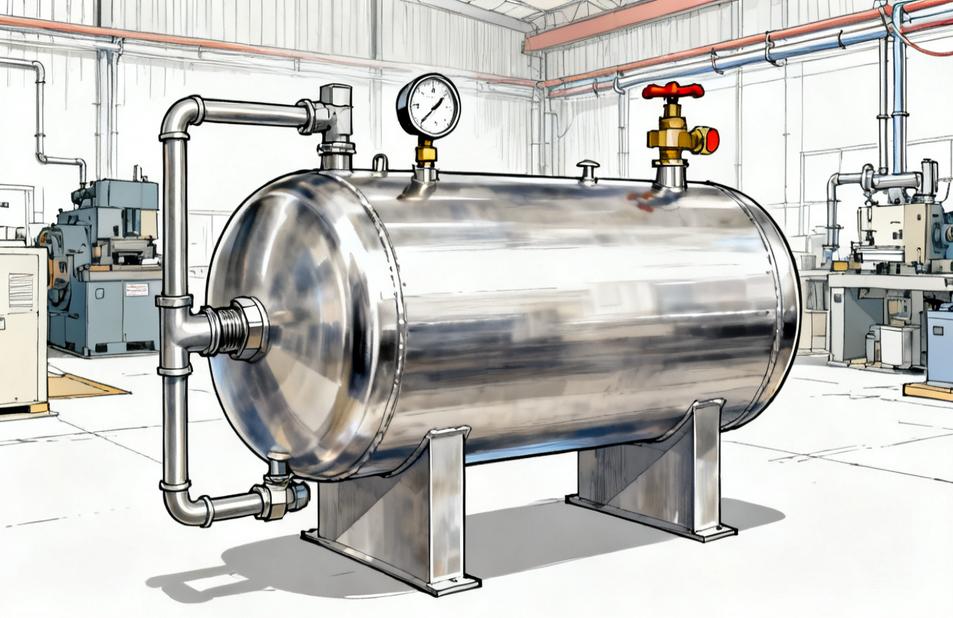
A pressure feed vessel is a closed container that holds liquid or semi-liquid material under controlled air or gas pressure, then delivers it to a downstream process at a steady flow rate. In industrial settings, it is widely used to feed adhesives, sealants, coatings, inks, lubricants, and other fluids into dispensing valves, spray guns, coating heads, or mixing equipment. Unlike a simple gravity tank, a pressure feed vessel uses pressurization to push material through hoses and nozzles, which helps maintain consistent output even when the delivery point is above the vessel or located some distance away.
For overseas buyers sourcing fluid handling equipment, the pressure feed vessel is often a critical component in automated production lines. It can be integrated into adhesive dispensing systems, robotic coating cells, packaging machinery, and chemical processing equipment. Because it directly affects flow stability, material waste, and maintenance frequency, choosing the right vessel and supplier requires a clear understanding of the application, material characteristics, and production environment.
Product Overview: How a Pressure Feed Vessel Works
A typical pressure feed vessel consists of a sealed tank body, a removable or hinged lid, a pressure inlet, a material outlet, and often a pressure relief valve, gauge, and level indicator. The vessel is filled with the material to be dispensed, then sealed. Compressed air or inert gas is introduced into the tank headspace, creating pressure that forces the material out through the outlet port. A regulator controls the internal pressure, which in turn determines the flow rate at the dispensing point.
Some vessels are designed for direct pressure feeding, while others include a follower plate or piston arrangement to handle high-viscosity materials. In adhesive and sealant applications, a pressure feed vessel may be paired with a pump or a dispensing valve to ensure smooth, pulse-free delivery. The design can be as simple as a small portable tank or as complex as a large, heated, agitated vessel for continuous production.
Key Features Buyers Should Evaluate
When reviewing pressure feed vessel specifications, procurement teams should focus on features that match the material and process. Important characteristics include:
- Pressure control: A reliable regulator and gauge help maintain consistent output. Some systems offer digital pressure monitoring for tighter process control.
- Sealing performance: Lid gaskets and closures must prevent leakage and pressure loss, especially when working with low-viscosity fluids.
- Material compatibility: Wetted parts should resist corrosion, abrasion, or chemical attack from the fluid being dispensed.
- Cleaning and maintenance: Quick-access lids, smooth internal surfaces, and drain ports reduce downtime during color changes or material switches.
- Level monitoring: Sight glasses, float sensors, or load cells help operators know when to refill without opening the vessel.
- Portability or mounting: Depending on the production layout, the vessel may need casters, a cart, or a fixed frame for integration with existing equipment.
Materials and Construction
Pressure feed vessels are commonly fabricated from stainless steel, carbon steel, or specialty alloys. Stainless steel is often preferred in adhesive, food, pharmaceutical, and coating applications because it resists corrosion and is easier to clean. Carbon steel may be suitable for non-corrosive industrial fluids where cost is a primary concern. For aggressive chemicals, suppliers may offer PTFE-lined or coated interiors.
Construction details matter as much as the base material. Weld quality, surface finish, and port configuration affect both durability and cleanability. A pressure feed vessel manufacturer with in-house fabrication capabilities can control these details and offer custom dimensions, port locations, and lid designs. Buyers should request material certificates and dimensional drawings when the vessel is part of a critical process.
Typical Industrial Applications
The pressure feed vessel is a versatile component across many industries. Common applications include:
- Adhesive and sealant dispensing: Feeding hot melt, silicone, epoxy, or polyurethane to dispensing robots and automated lines.
- Coating and painting: Supplying paint, primer, or protective coatings to spray systems and roll coaters.
- Packaging and labeling: Delivering glue to case sealers, labelers, and carton forming machines.
- Chemical processing: Feeding controlled amounts of liquid additives or catalysts into reactors and mixers.
- Lubrication systems: Providing consistent oil or grease flow to bearings and chains in heavy machinery.
- Food and pharmaceutical: Handling edible oils, syrups, or other fluids where hygienic construction is required.
In each case, the vessel must be sized and configured to match the material viscosity, required flow rate, and the pressure rating of downstream components. A vessel that is too small may require frequent refilling, while an oversized unit can lead to material waste or long cleaning times.
How to Choose the Right Pressure Feed Vessel
Selecting a pressure feed vessel starts with a clear definition of the application. Buyers should consider the following questions:
- What is the material being dispensed, and what are its viscosity, density, and chemical properties?
- What flow rate and pressure are required at the dispensing point?
- How far is the vessel from the point of use, and what is the elevation difference?
- Does the process require heating, agitation, or continuous recirculation?
- What are the cleaning and changeover requirements between production runs?
- What floor space and mounting options are available?
Answering these questions helps narrow down tank size, pressure rating, material of construction, and port arrangement. It is also important to confirm that the vessel can be integrated with existing pumps, valves, and controls without causing pressure drops or flow inconsistencies.
Customization and OEM Options
Many industrial buyers require a pressure feed vessel that fits a specific machine or process rather than a standard catalog model. Custom and OEM options may include modified dimensions, special port sizes and locations, different lid closure mechanisms, heating or cooling jackets, agitation, and level sensors. Some suppliers also offer private labeling or build-to-print manufacturing for equipment integrators.
When requesting a custom pressure feed vessel, provide detailed drawings or specifications, including operating pressure, temperature range, material compatibility, and connection standards. A capable factory can review these requirements and propose a design that balances performance, cost, and lead time. Clear communication during the quotation stage helps avoid costly modifications after delivery.
Buying Considerations and Supplier Selection
Working with a reliable pressure feed vessel supplier is as important as choosing the right product. Buyers should evaluate a manufacturer on the basis of fabrication experience, quality control procedures, and responsiveness to technical questions. A supplier that understands fluid handling and can offer application support is more likely to deliver a vessel that performs as expected.
Practical evaluation steps include reviewing previous project experience, requesting dimensional drawings before production, and confirming the availability of spare parts such as gaskets, seals, and pressure relief valves. If the vessel will be used in a regulated industry, discuss documentation requirements early. While certifications and test reports should not be assumed, a professional supplier can clarify what is available for a specific order.
It is also wise to compare total cost of ownership rather than purchase price alone. A well-built vessel that is easy to clean, maintain, and integrate may reduce downtime and material waste over its service life. For buyers sourcing multiple units or planning ongoing production, establishing a long-term relationship with an OEM manufacturer can simplify future orders and ensure consistent quality.
Frequently Asked Questions
What is the difference between a pressure feed vessel and a pressure tank?
The terms are often used interchangeably, but a pressure feed vessel typically emphasizes controlled delivery of material to a downstream process, while a pressure tank may simply store fluid under pressure. The key differences are in port configuration, pressure regulation, and how the vessel is integrated with dispensing or coating equipment.
Can a pressure feed vessel handle high-viscosity adhesives?
Yes, but the design must match the material. High-viscosity fluids may require a larger outlet, a follower plate, or additional heating to flow properly. Buyers should share the material viscosity and temperature requirements with the supplier so the vessel can be configured correctly.
How do I determine the right tank size for my application?
Tank size depends on material consumption rate, available floor space, and how often operators can refill. A smaller vessel may suit low-volume or frequent changeover production, while a larger vessel reduces refill frequency in continuous processes. Calculating daily or shift usage is a practical starting point.
Do suppliers offer OEM or custom pressure feed vessels?
Many manufacturers provide custom fabrication and OEM services. Typical customizations include dimensions, port locations, materials of construction, lid type, and accessories such as gauges, level sensors, or heating jackets. Providing detailed specifications helps suppliers quote accurately.
Conclusion
Choosing a pressure feed vessel requires a balance of material compatibility, pressure control, cleanability, and integration with existing equipment. Buyers who define their application clearly and work with an experienced manufacturer can avoid common problems such as inconsistent flow, leaks, or difficult maintenance. Whether the vessel is a standard unit or a custom OEM design, the goal is reliable material delivery that supports stable production. For specific specifications, application questions, or custom pressure feed vessel requirements, contacting a qualified supplier with detailed process information is the next step.
