

Pressure Material Tank for Industrial Fluid and Material Handling | A Buyer’s Guide
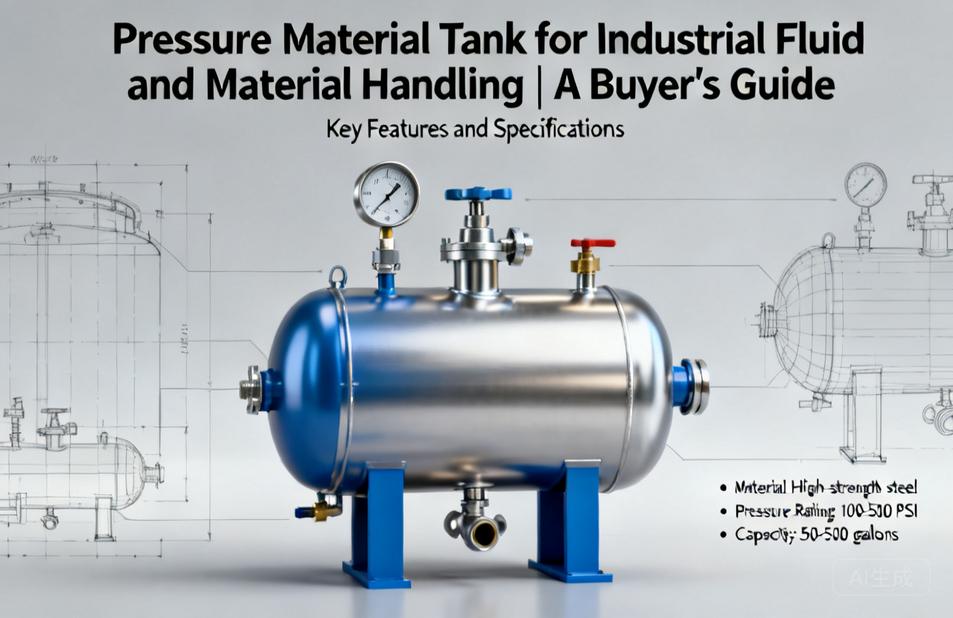
A pressure material tank is a sealed vessel that uses compressed air or gas to push liquids, pastes, slurries, or other flowable materials through a dispensing system, transfer line, or process equipment. Unlike a simple storage tank, it is designed to maintain internal pressure so that material can be delivered at a controlled rate to a point of use. In industrial settings, these tanks are often found in adhesive dispensing, coating supply, ink circulation, chemical dosing, food processing, and automated production lines where consistent material flow matters. For overseas buyers, understanding how a pressure material tank works, where it fits, and what to check before ordering is essential for selecting the right unit and working with a reliable manufacturer or supplier.
What Is a Pressure Material Tank?
A pressure material tank, sometimes called a pressure vessel tank, pressure pot, or material pressure tank, is a closed container fitted with an inlet for compressed air, a material outlet, a pressure gauge, a safety relief device, and often a lid or cover with a clamp or bolt closure. The working principle is straightforward: compressed air enters the tank and presses down on the material surface, forcing the material out through a dip tube or bottom outlet. This creates a steady, pulse-free supply that can feed spray guns, dispensing valves, coating rollers, or mixing equipment.
The tank may be used as a standalone unit or integrated into a larger system with pumps, regulators, and controls. In many factories, it acts as a buffer or day tank that keeps production running without frequent manual refilling.
Key Features Buyers Look For
When evaluating a pressure material tank, purchasing teams typically focus on a few functional features rather than decorative details. A well-designed tank should provide stable pressure output, easy filling and cleaning, and safe operation. Common features include:
- Pressure regulation and gauge for monitoring internal pressure
- Safety relief valve to prevent over-pressurization
- Quick-open or clamped lid for fast material loading
- Dip tube or bottom outlet options to match material viscosity
- Agitator or mixing port for materials that tend to settle
- Level indicator or sight glass for visual material monitoring
- Mounting options such as floor stand, cart, or wall bracket
These features affect daily usability, maintenance frequency, and compatibility with existing production equipment. A tank that is difficult to clean can slow changeovers, while a poorly matched outlet can cause flow problems.
Materials and Construction
The construction material depends on the substance being handled and the environment. Carbon steel tanks are common for general industrial fluids where corrosion is not a major concern. Stainless steel tanks are widely used in food, pharmaceutical, and chemical applications because they resist corrosion and are easier to sanitize. Some suppliers also offer PTFE-lined or coated tanks for aggressive chemicals.
Seals, gaskets, and wetted parts must be compatible with the material being dispensed. For example, solvent-based adhesives may require solvent-resistant seals, while food products need food-grade contact materials. Buyers should specify the material being processed so the manufacturer can recommend suitable construction and sealing options.
Typical Industrial Applications
Pressure material tanks serve many industries because they solve a common problem: moving material from a container to a process point without manual handling. Typical applications include:
- Adhesive and sealant dispensing in assembly lines
- Paint, coating, and ink supply for spray or roll coating systems
- Chemical dosing and transfer in water treatment or process plants
- Food and beverage ingredient feeding where sanitary design is required
- Lubricant and grease distribution in maintenance workshops
- Pharmaceutical and cosmetic fluid handling in controlled environments
In each case, the tank must match the material characteristics, required flow rate, and the pressure range of the downstream equipment.
How to Choose the Right Pressure Material Tank
Selecting a pressure material tank is not only about capacity. The right choice balances material properties, process requirements, and site conditions. Consider the following factors:
Material Compatibility
Identify whether the material is corrosive, abrasive, viscous, or sensitive to air exposure. This determines the tank material, seal type, and whether an agitator is needed.
Pressure and Flow Requirements
Check the required outlet pressure and flow rate of your dispensing or transfer system. The tank and its regulator must be able to maintain that pressure safely and consistently.
Capacity and Refill Frequency
Choose a size that matches your production run and available floor space. Too small a tank means frequent refills; too large a tank may be difficult to move or clean.
Cleaning and Maintenance
Consider how often the material changes and how easy it is to open, drain, and clean the tank. Quick-release closures and smooth internal surfaces help reduce downtime.
Integration with Existing Equipment
Verify connection sizes, thread types, and mounting options. The tank should connect easily to your existing pumps, valves, and hoses.
Customization and OEM Options
Many industrial buyers need a pressure material tank that fits a specific machine or process. Custom and OEM services from a manufacturer can include:
- Custom tank dimensions and capacity
- Special outlet and inlet configurations
- Agitator or heating/cooling jacket integration
- Material selection for corrosive or sanitary applications
- Branding, labeling, and packaging for OEM programs
- Control options such as pressure switches or level sensors
Working with a factory that offers OEM and custom fabrication can reduce adaptation costs and improve long-term spare parts availability. Buyers should provide clear drawings, material specifications, and operating conditions before requesting a quotation.
Buying Considerations and Supplier Selection
When sourcing a pressure material tank, price is only one part of the decision. A reliable supplier should be able to explain construction details, recommend suitable options, and provide consistent quality across repeat orders. Useful checks include:
- Does the supplier understand your application and material?
- Can they provide drawings, material certificates, or inspection reports?
- Do they offer after-sales support and spare parts?
- Are they experienced with export packaging and documentation?
- Can they handle OEM or custom requirements without long delays?
It is also wise to ask about warranty terms and technical support. A manufacturer that communicates clearly during the inquiry stage is more likely to support you after delivery.
Frequently Asked Questions
What is the difference between a pressure material tank and a regular storage tank?
A pressure material tank is designed to hold internal pressure and deliver material under controlled flow, while a regular storage tank is mainly for holding material without pressure delivery. The pressure tank includes fittings for air inlet, pressure regulation, and material outlet.
Can a pressure material tank handle high-viscosity materials?
Yes, but the design must match the viscosity. Higher-viscosity materials may require a larger outlet, a follower plate, or an agitator to help material flow. The supplier should review the material properties before recommending a model.
Are custom sizes and connections available?
Many manufacturers offer custom fabrication and OEM services. Buyers can specify capacity, connection type, material of construction, and additional features such as agitators or level sensors. Providing detailed requirements helps the factory quote accurately.
How do I maintain a pressure material tank?
Regular maintenance includes checking seals and gaskets, cleaning the interior after material changes, inspecting the pressure relief valve, and verifying gauge accuracy. Following the manufacturer’s manual helps ensure safe and reliable operation.
Conclusion
Choosing a pressure material tank requires a clear understanding of the material, the process, and the equipment it will connect to. Buyers should focus on material compatibility, pressure and flow requirements, cleaning needs, and the supplier’s ability to support custom or OEM projects. Rather than comparing only prices, evaluate the manufacturer’s technical communication, documentation, and long-term service. If you are sourcing a pressure material tank for a specific industrial application, contact a qualified supplier with your specifications and application details to discuss suitable options, customization, or OEM requirements.