

Chemical Dispensing Tank | A Practical Guide for Industrial Buyers
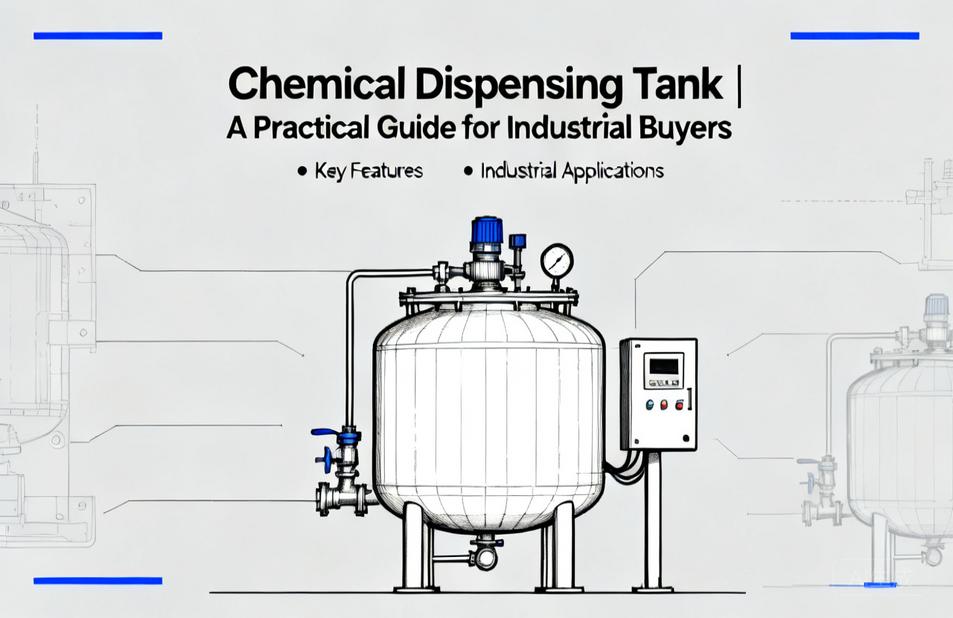
A chemical dispensing tank is a vessel designed to store, pressurize, or feed chemical liquids into a dispensing system, metering pump, or production line. It is commonly used in applications where accurate delivery, safe handling, and consistent fluid supply matter, such as water treatment, metal finishing, automotive fluid transfer, agricultural chemical mixing, and industrial cleaning systems. For overseas buyers, a chemical dispensing tank is not just a container; it is part of a controlled fluid handling setup that affects dosing accuracy, operator safety, and process stability. Understanding how these tanks are built, how they work with other equipment, and what to check before ordering helps procurement teams avoid costly mismatches.
What a Chemical Dispensing Tank Does in a Dispensing System
In a typical setup, the tank holds the chemical solution and connects to a pump, pressure regulator, valve, or dispensing gun. Depending on the design, the tank may be pressurized with air or nitrogen to push liquid through lines, or it may act as a gravity-fed reservoir for a metering pump. The goal is to deliver a consistent amount of chemical to the point of use without contamination, leakage, or manual handling. This is why many buyers look for a chemical dispensing tank that matches their fluid type, operating method, and available floor space.
These tanks are often used with dosing pumps, diaphragm pumps, peristaltic pumps, and spray or injection systems. In some plants, the tank is a standalone unit; in others, it is integrated into a larger skid with controls, sensors, and piping. The right configuration depends on whether the chemical is corrosive, viscous, temperature-sensitive, or prone to crystallization.
Key Design Features Buyers Should Review
When evaluating a chemical dispensing tank, procurement and engineering teams usually compare several practical features. These include the tank shape, lid design, inlet and outlet positions, venting, level indication, and connection type. A well-designed tank should be easy to fill, drain, and clean, especially when different chemicals are used in batch production.
Tank Body and Lid
Cylindrical tanks are common because they handle pressure more evenly and are easier to manufacture with uniform wall thickness. Square or rectangular tanks can save space but may need extra reinforcement. The lid may be bolted, clamped, or threaded, and it often includes ports for filling, venting, and pressure supply. For chemical dispensing, a sealed lid helps prevent fumes from escaping and keeps the liquid free from dust or moisture.
Ports, Fittings, and Connections
The number and size of ports affect how easily the tank connects to pumps, hoses, and sensors. Standard threaded connections are common, but sanitary or flange connections may be preferred in food, pharmaceutical, or high-purity chemical applications. Buyers should confirm the thread standard used in their region, such as NPT or BSP, to avoid adapter issues during installation.
Level and Pressure Monitoring
Many industrial users add level sensors, sight glasses, or float switches to track chemical consumption. Pressure gauges and relief valves are also important when the tank is pressurized. These accessories help operators know when to refill and prevent over-pressurization. The exact instrumentation depends on the process, so it is best to discuss it with the tank manufacturer or supplier early in the project.
Materials and Construction
The material of construction is one of the most important decisions because it determines chemical compatibility and service life. Common options include polyethylene, polypropylene, PVC, PVDF, and stainless steel. Plastic tanks are often chosen for acids, bases, and other corrosive chemicals because they resist attack and are relatively light. Stainless steel tanks are preferred for higher pressure, higher temperature, or applications where mechanical strength and cleanability are priorities.
Welding quality, wall thickness, and surface finish also matter. A chemical dispensing tank used in a clean process may require a smooth interior to prevent residue buildup. In hazardous areas, grounding and anti-static features may be needed. Buyers should always share the chemical name, concentration, and operating temperature with the tank supplier so the recommended material and seals can be confirmed.
Typical Industrial Applications
Chemical dispensing tanks appear in many sectors. In water treatment, they feed coagulants, flocculants, or disinfectants into process water. In metal finishing, they supply plating chemicals, cleaners, or conversion coatings. In automotive workshops, they are used for dispensing oils, coolants, and cleaning agents. Agriculture operations use them for mixing and applying crop protection products. Food and beverage plants may use them for sanitizers and cleaning chemicals, provided the materials meet hygiene requirements.
Because the operating environment varies widely, a tank that works well in one plant may not suit another. For example, a tank used outdoors may need UV-resistant material, while a tank in a cold room may need insulation or a different resin. Industrial application details should always be part of the inquiry.
How to Choose the Right Chemical Dispensing Tank
Choosing the right tank starts with the fluid. Identify the chemical, its concentration, and its temperature range. Then define the dispensing method: gravity, pressure, or pump-fed. Next, estimate the required volume based on batch size, refill frequency, and available space. Consider the maximum working pressure and whether a pressure relief device is needed.
After the process requirements are clear, review the connection layout. Make sure the inlet, outlet, vent, and sensor ports match the existing piping and equipment. Check the footprint and mounting options if the tank will sit on a skid, bench, or floor. Finally, confirm the material and seal compatibility with the chemical supplier and the tank manufacturer. A short checklist can prevent most installation problems.
Customization and OEM Options
Many buyers need a chemical dispensing tank that fits a specific machine or production line rather than a standard catalog model. Custom options may include special dimensions, additional ports, different lid designs, custom colors, private labeling, and integrated brackets or carts. OEM manufacturing is common in this industry, allowing equipment builders and distributors to offer tanks under their own brand.
When requesting a custom tank, provide drawings or clear sketches, chemical details, operating conditions, and connection requirements. A reliable factory will review the design, suggest improvements, and confirm the materials before production. Avoid vague requests such as a standard tank; specific input leads to a better match and fewer revisions.
Buying Considerations and Supplier Selection
Price is only one part of the total cost. Buyers should also consider tooling, mold or setup charges for custom work, packaging, freight, and after-sales support. For imported tanks, check the supplier’s experience with export packing and documentation. Ask about production capacity, quality control procedures, and how they handle replacement parts.
When comparing suppliers, look for a manufacturer or factory that can explain material selection, welding methods, and testing steps in technical terms. A good supplier will ask about your chemical and application before quoting. If a supplier cannot answer basic compatibility questions, that is a warning sign. Request samples or prototype approvals when the project budget allows, and clarify warranty terms in writing.
Frequently Asked Questions
What information is needed to get a quote for a chemical dispensing tank?
Provide the chemical name and concentration, operating temperature, required volume, dispensing method, maximum pressure, connection sizes, and any space limitations. Drawings or photos of the existing setup help the supplier recommend a suitable design.
Can a chemical dispensing tank be used with different chemicals?
It depends on the tank material, seals, and cleaning procedure. Some tanks can handle a range of compatible chemicals after proper cleaning, while others are dedicated to one fluid to avoid cross-contamination. Always confirm compatibility with the tank manufacturer and chemical supplier.
Are custom or OEM chemical dispensing tanks available?
Yes. Many manufacturers offer custom fabrication and OEM production for specific dimensions, port layouts, colors, and branding. Custom work usually requires a technical review and may involve tooling or minimum order quantities.
How do I maintain a chemical dispensing tank?
Regular inspection of seals, fittings, and pressure relief devices is important. Clean the tank according to the chemical manufacturer’s instructions, and replace worn parts before they cause leaks. Keep a log of maintenance and chemical changes for reference.
Conclusion
Selecting a chemical dispensing tank is a practical engineering decision, not just a purchasing task. Focus on chemical compatibility, dispensing method, connection layout, and the supplier’s ability to support custom or OEM requirements. A clear specification and a technical conversation with the manufacturer will reduce installation problems and improve long-term reliability. If you are evaluating options for a new system or replacing an existing tank, share your application details with a qualified supplier to confirm the right configuration for your process.